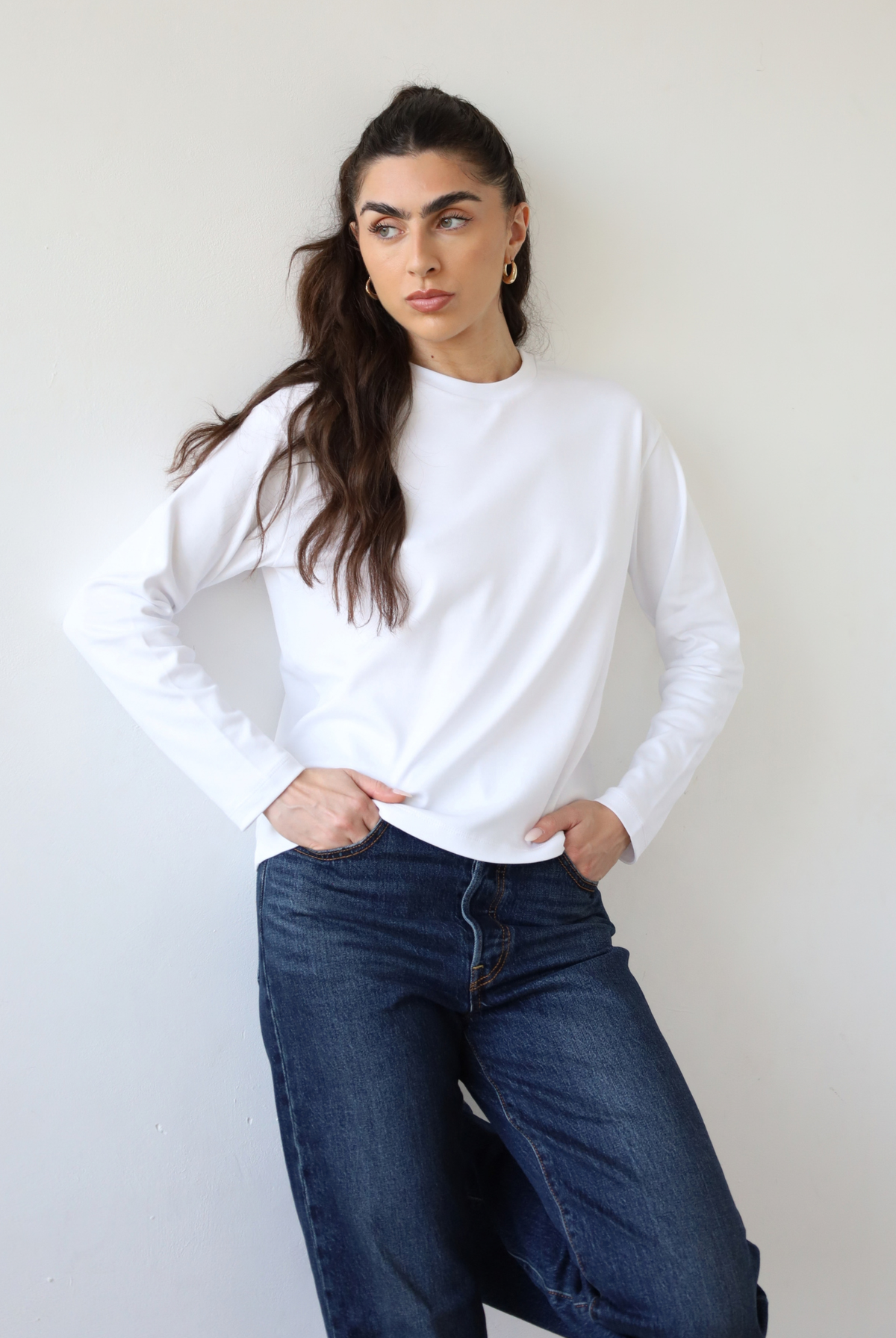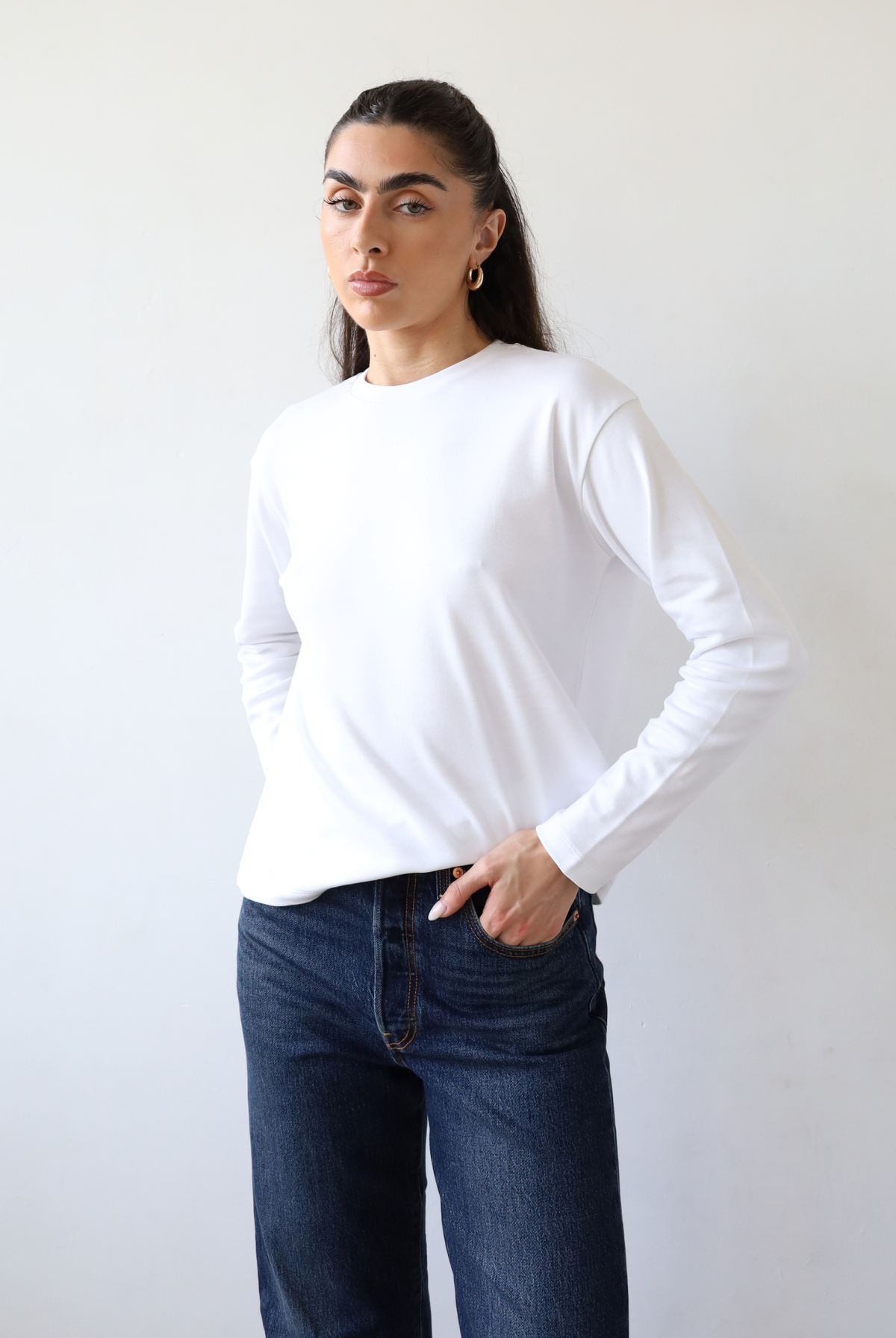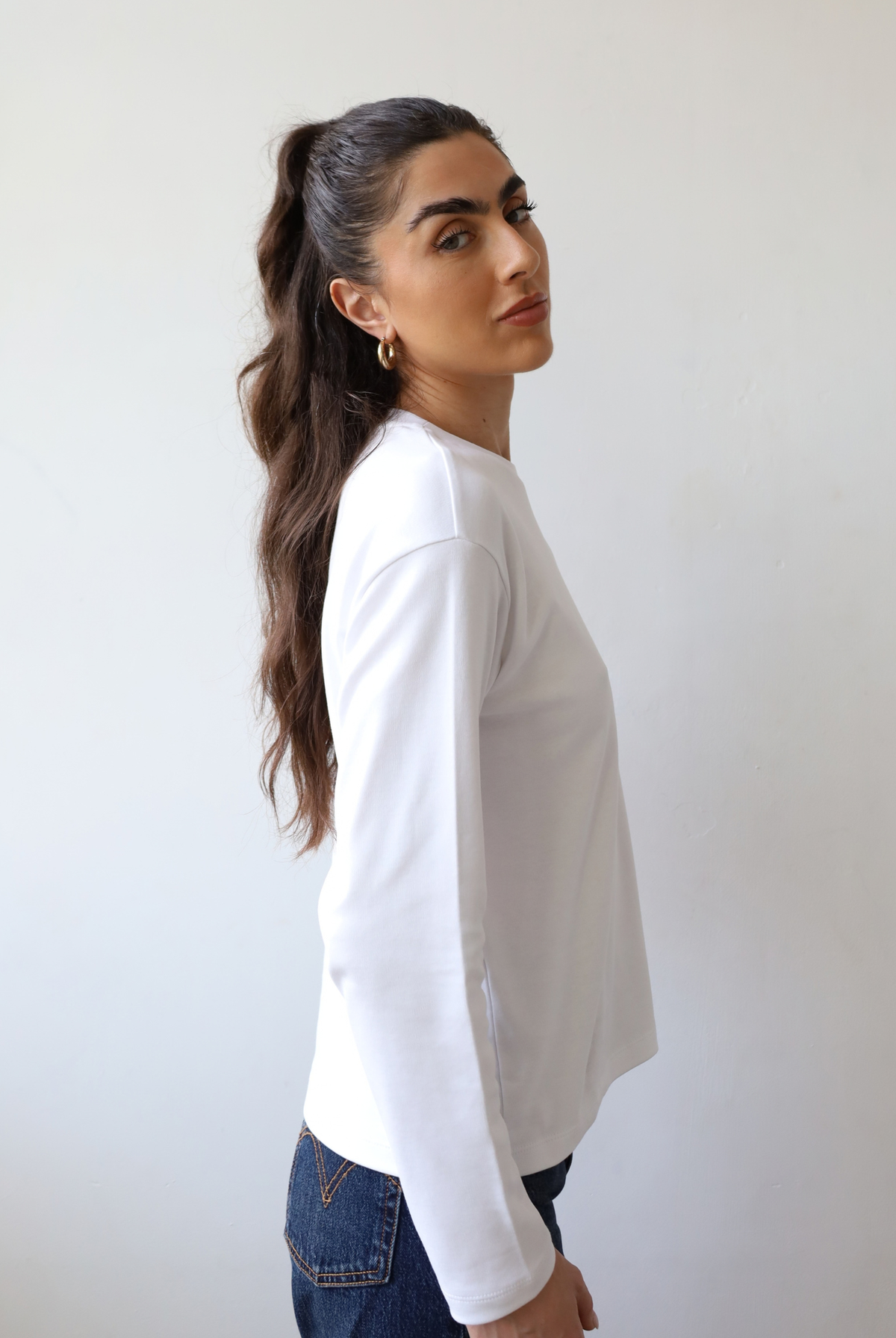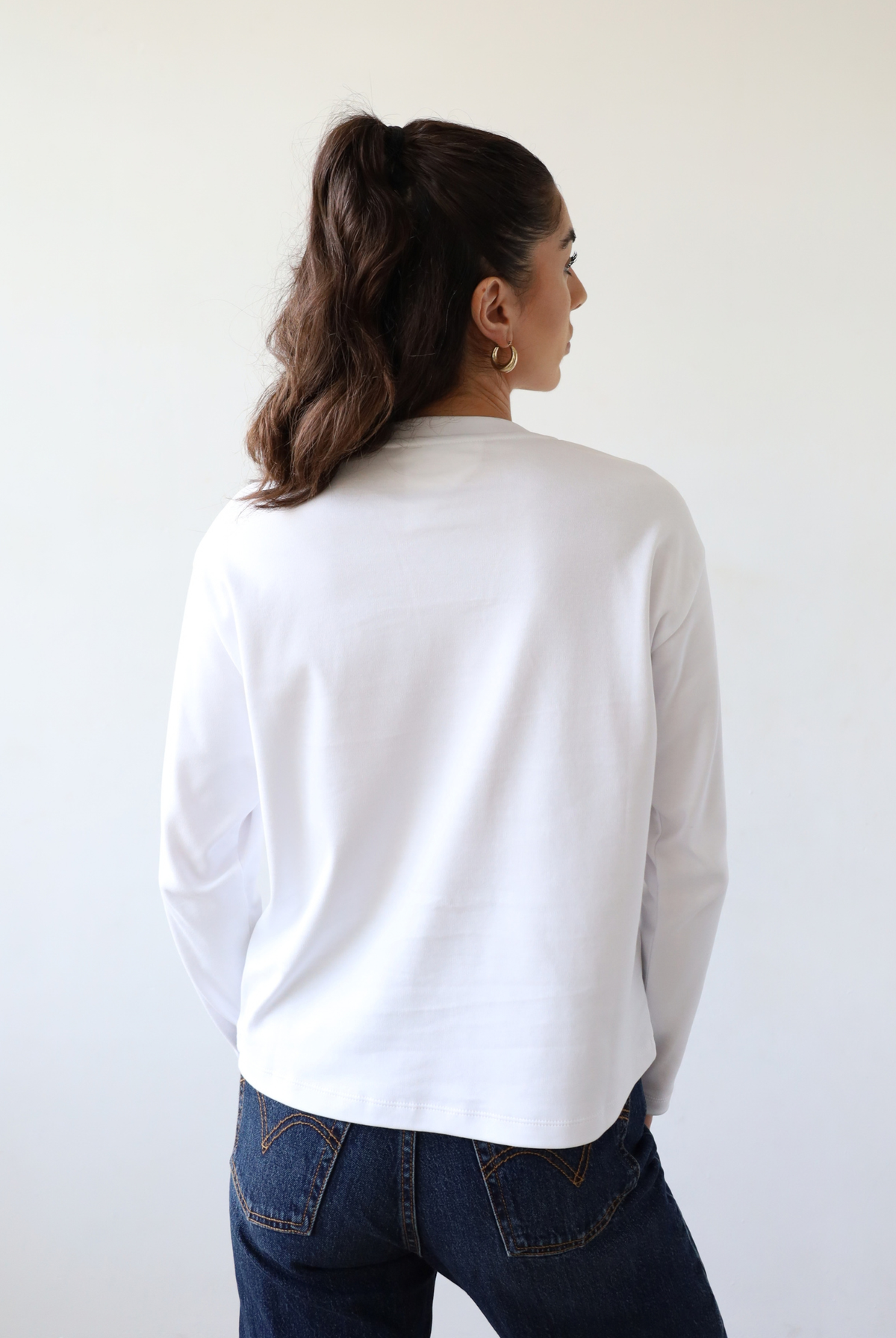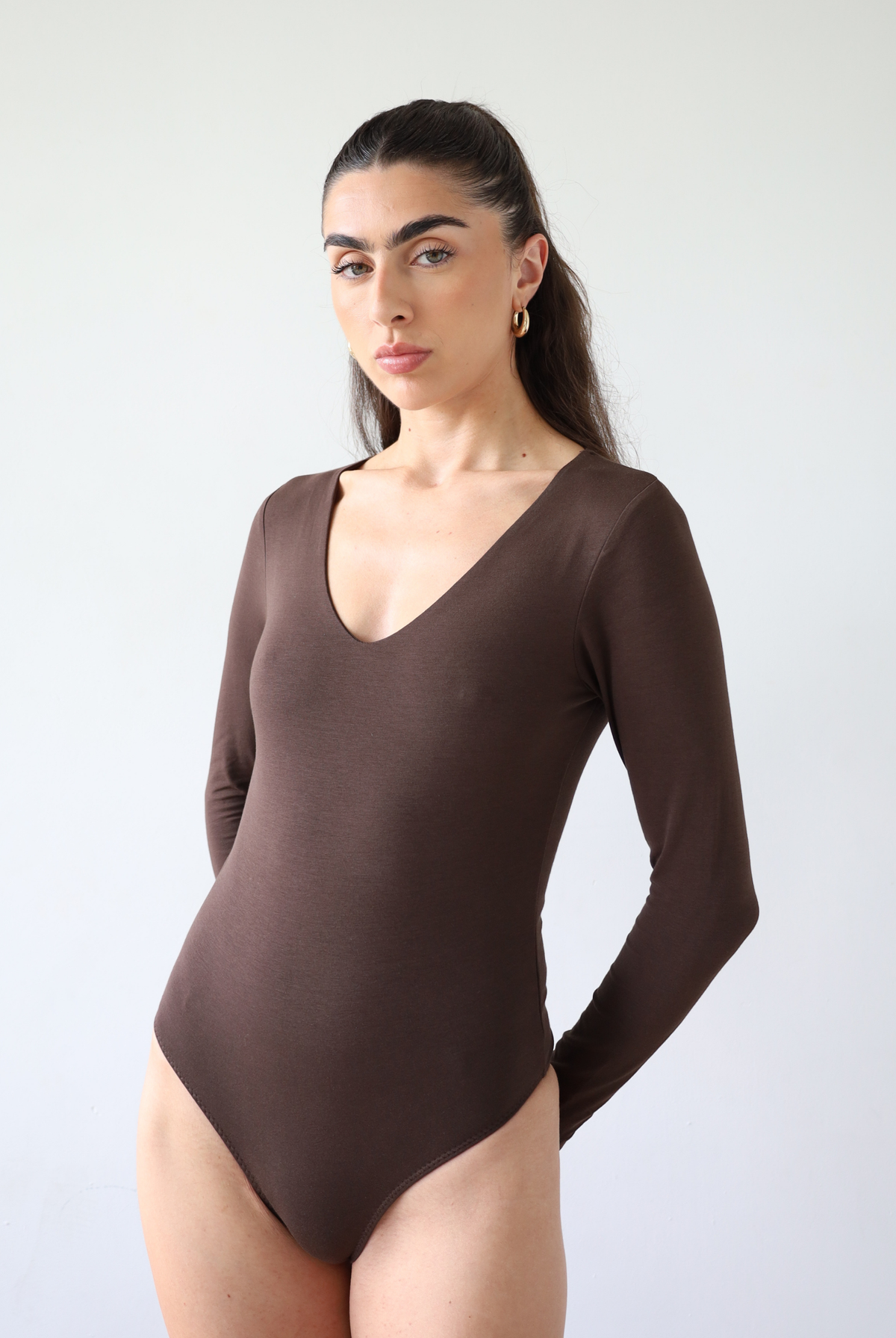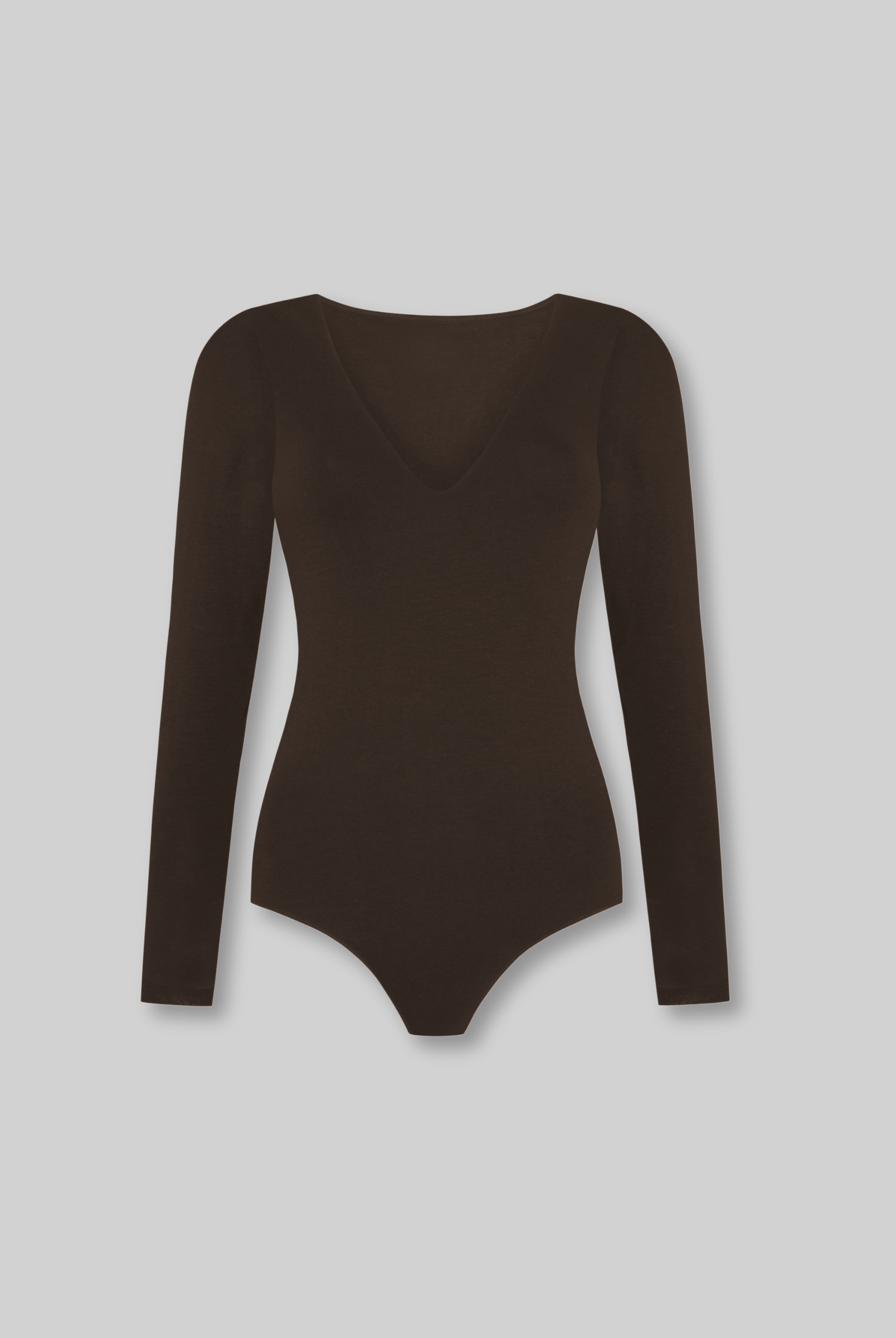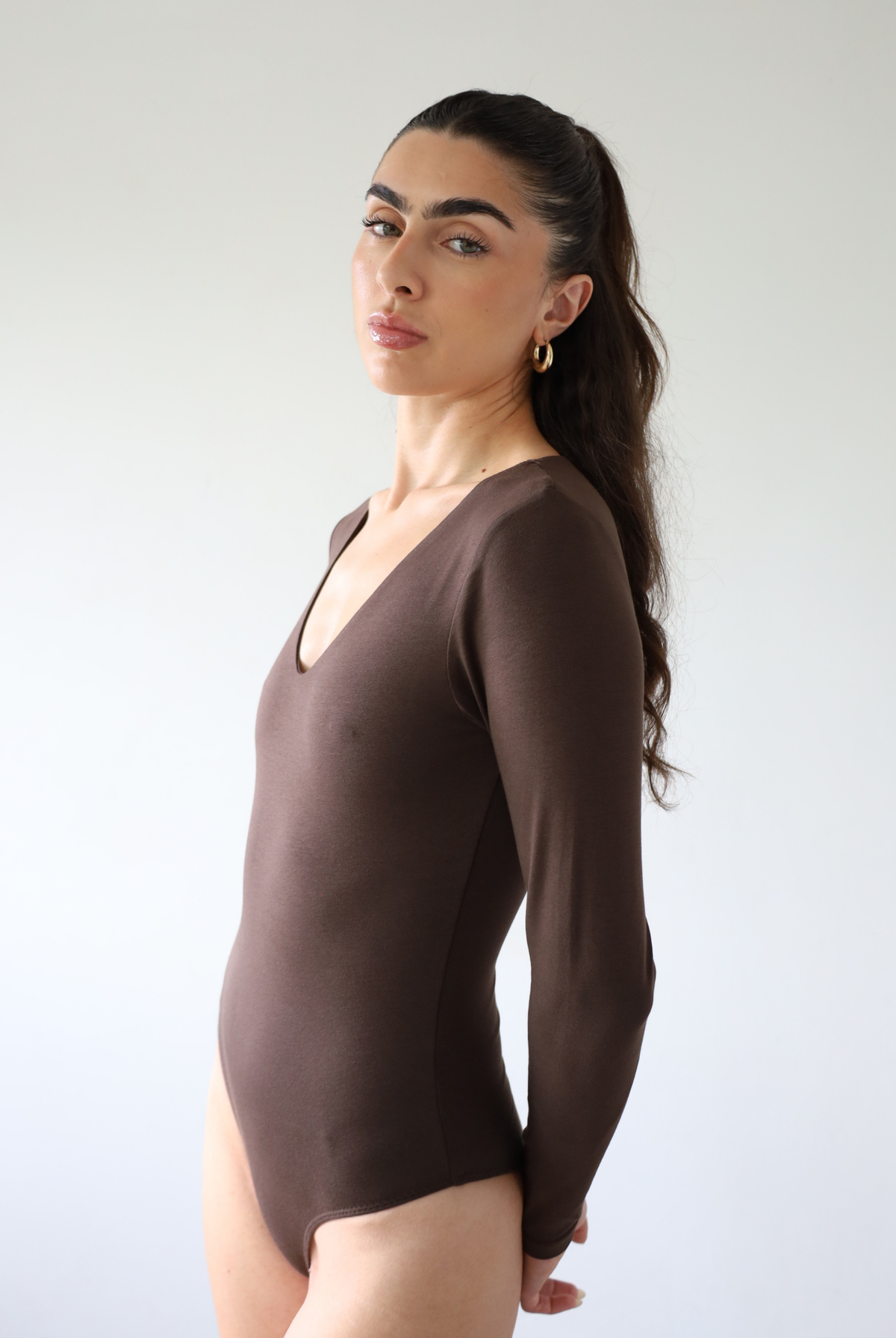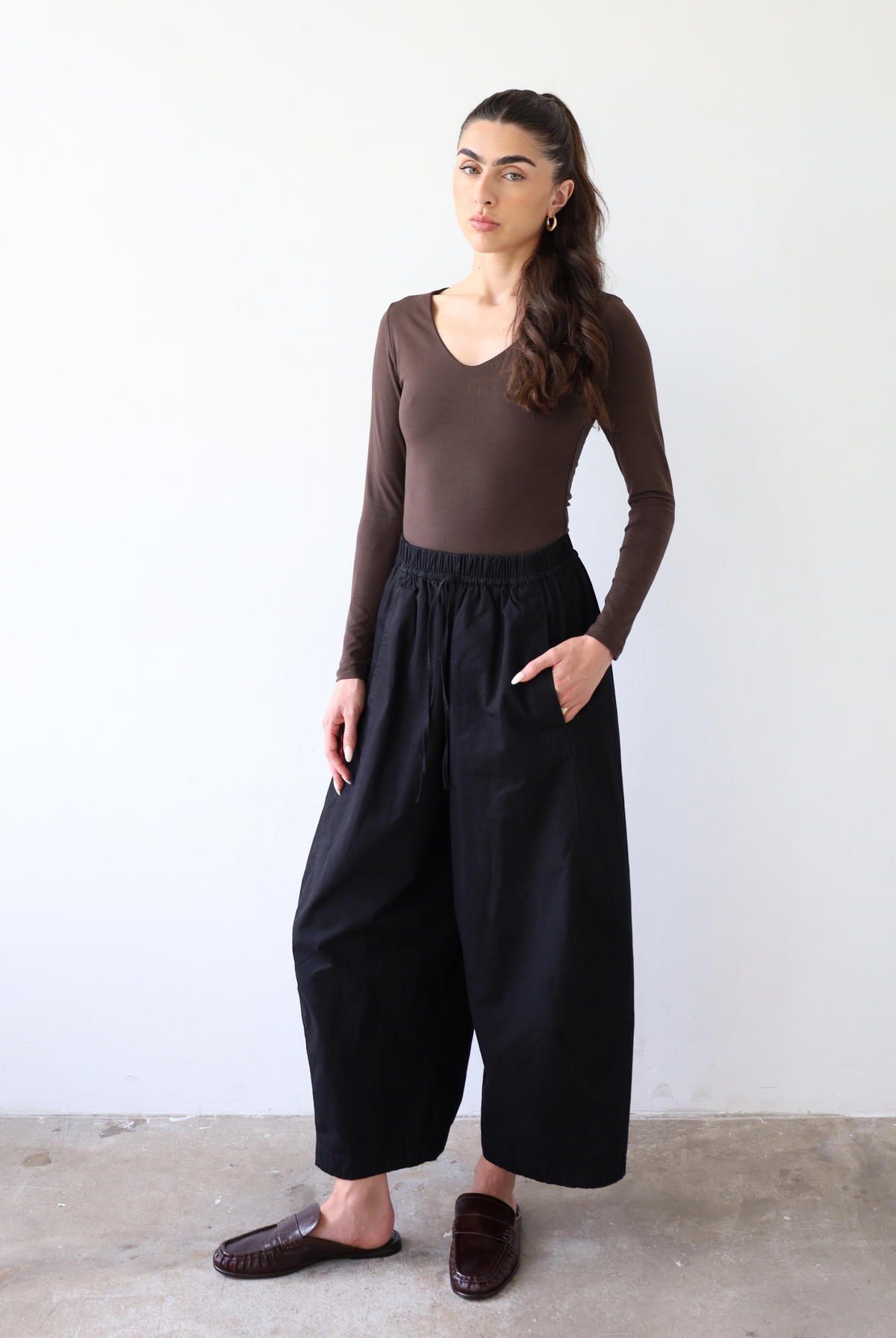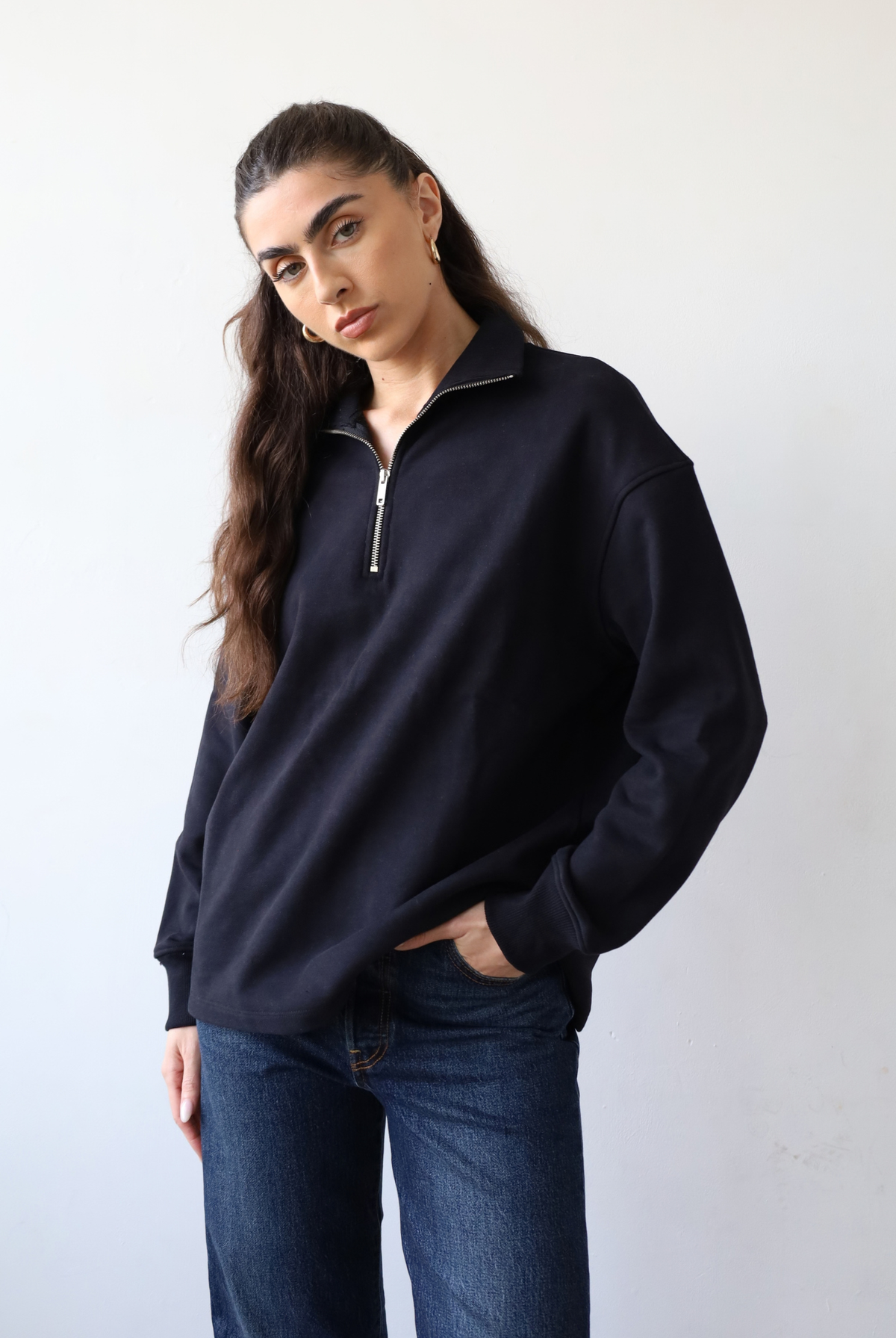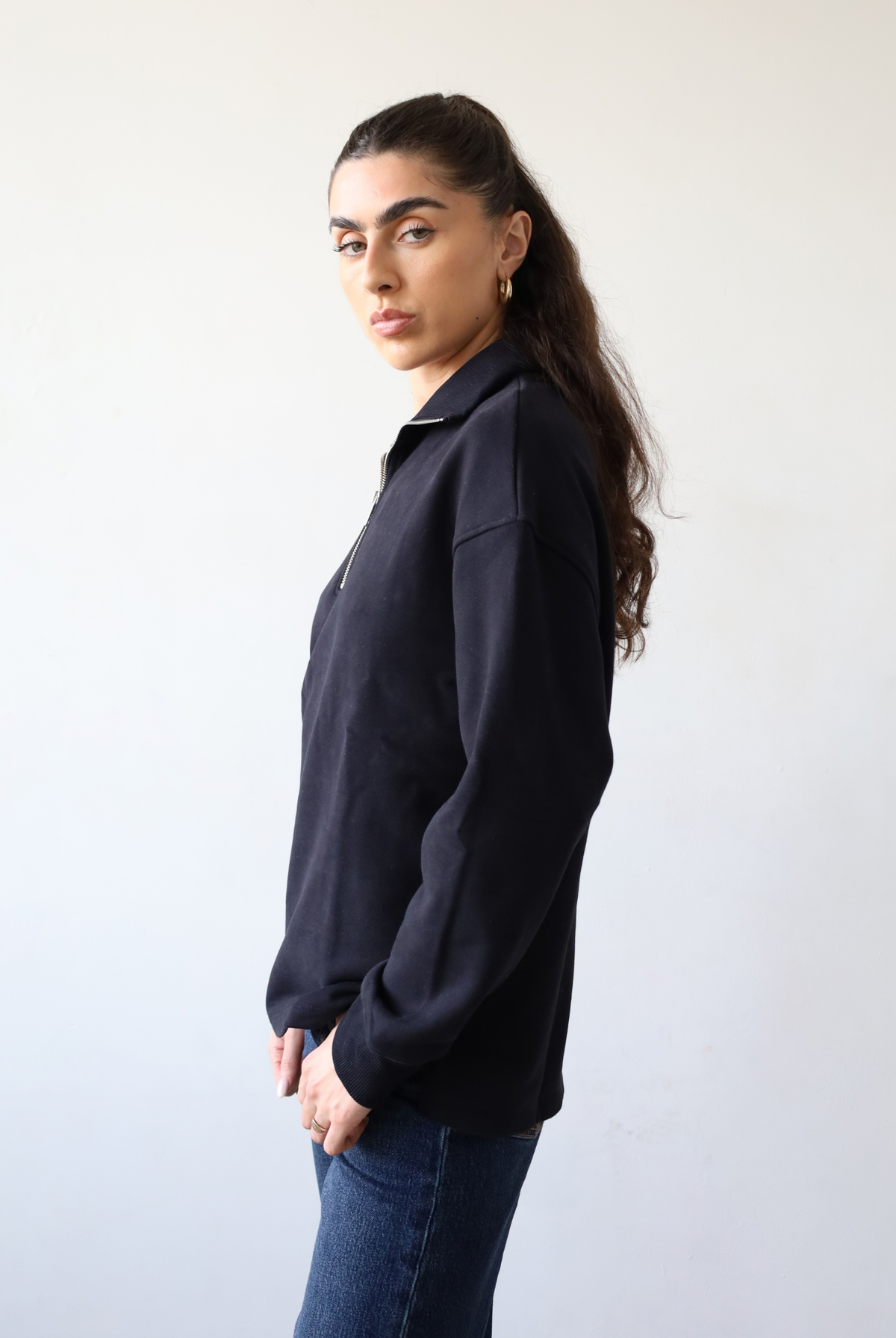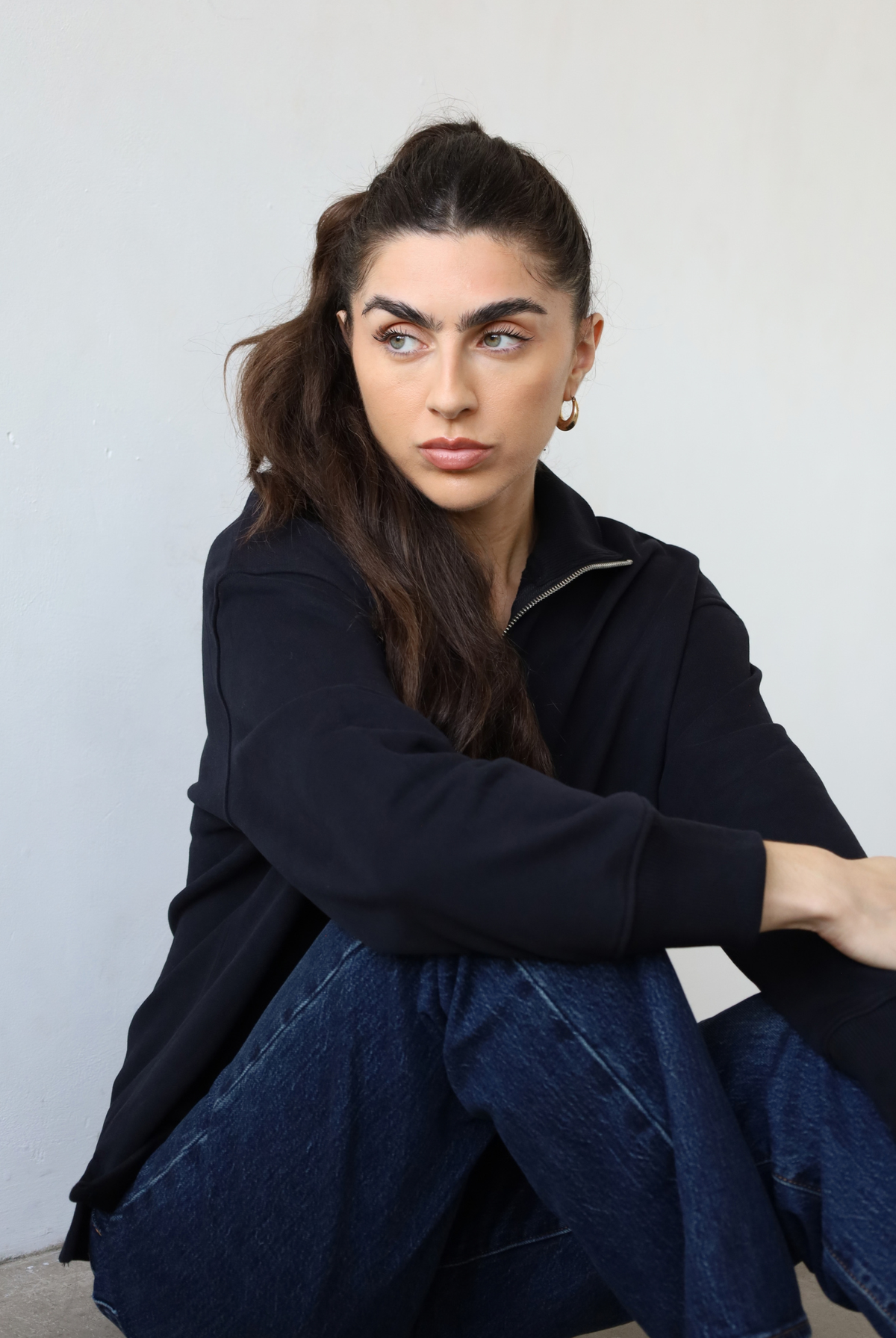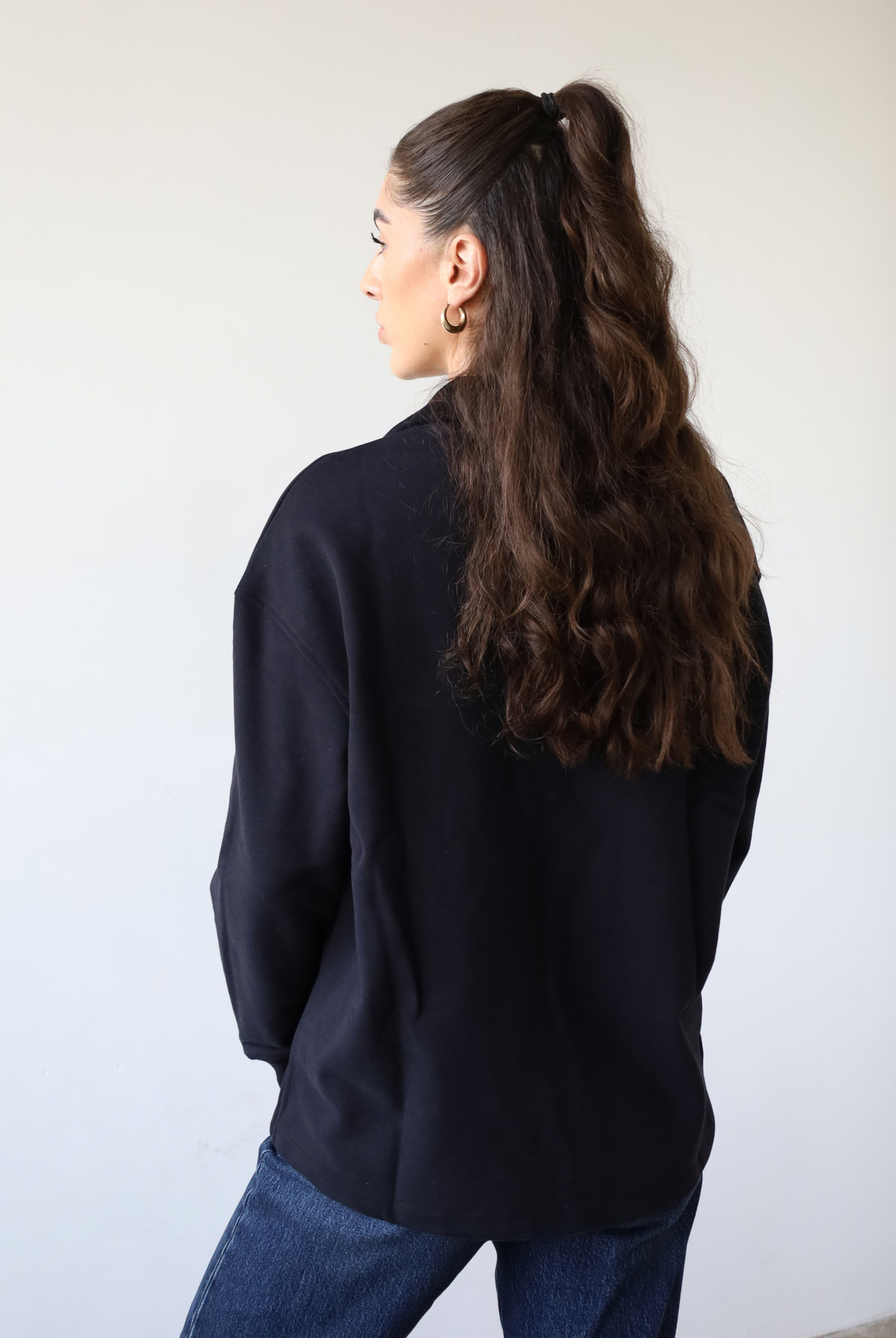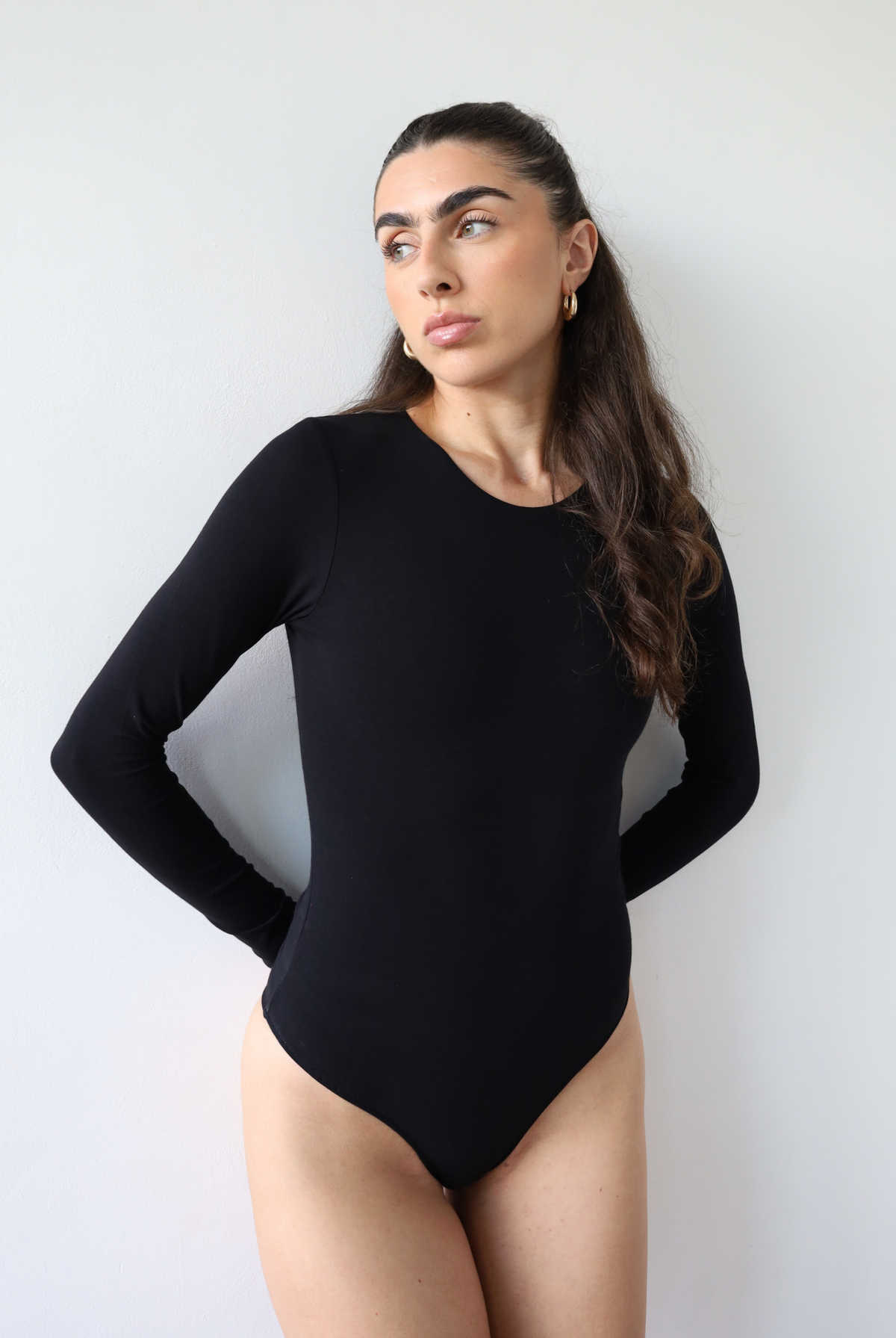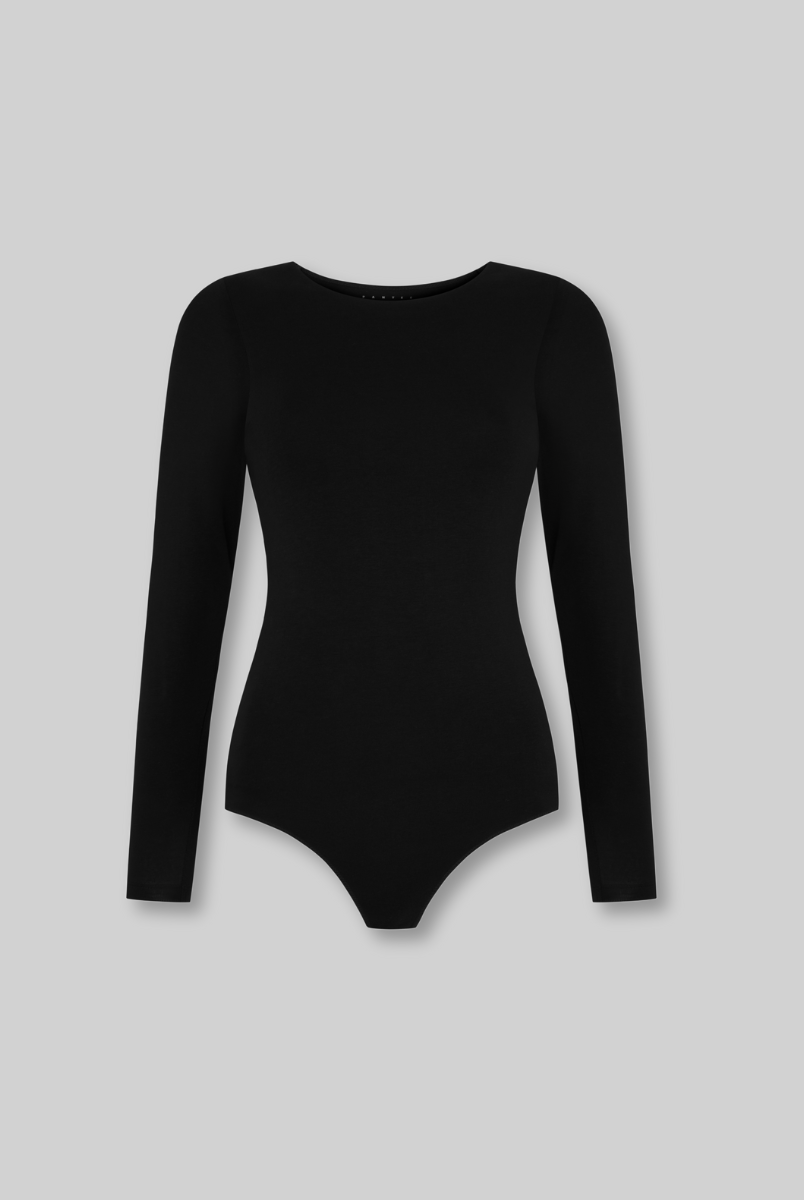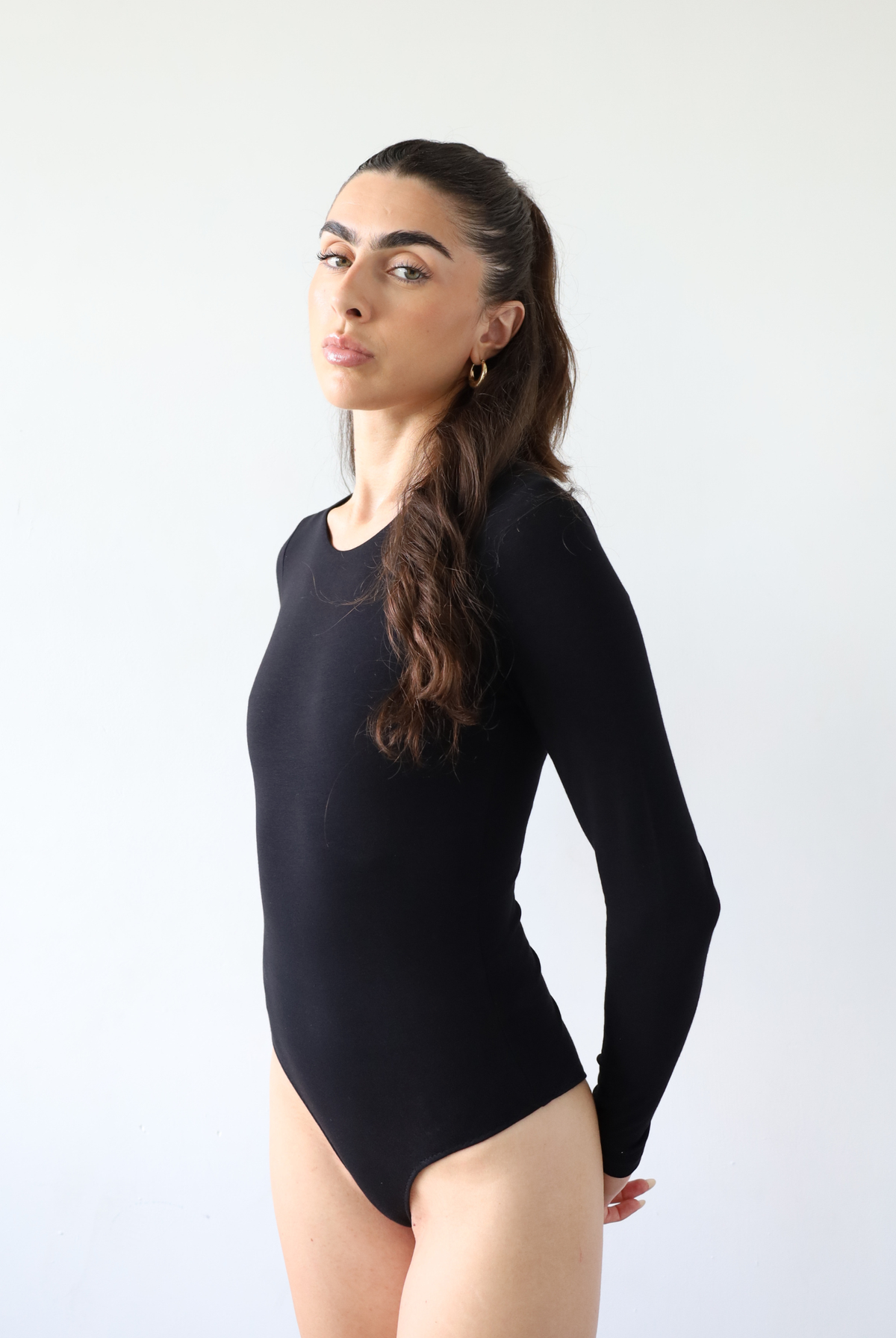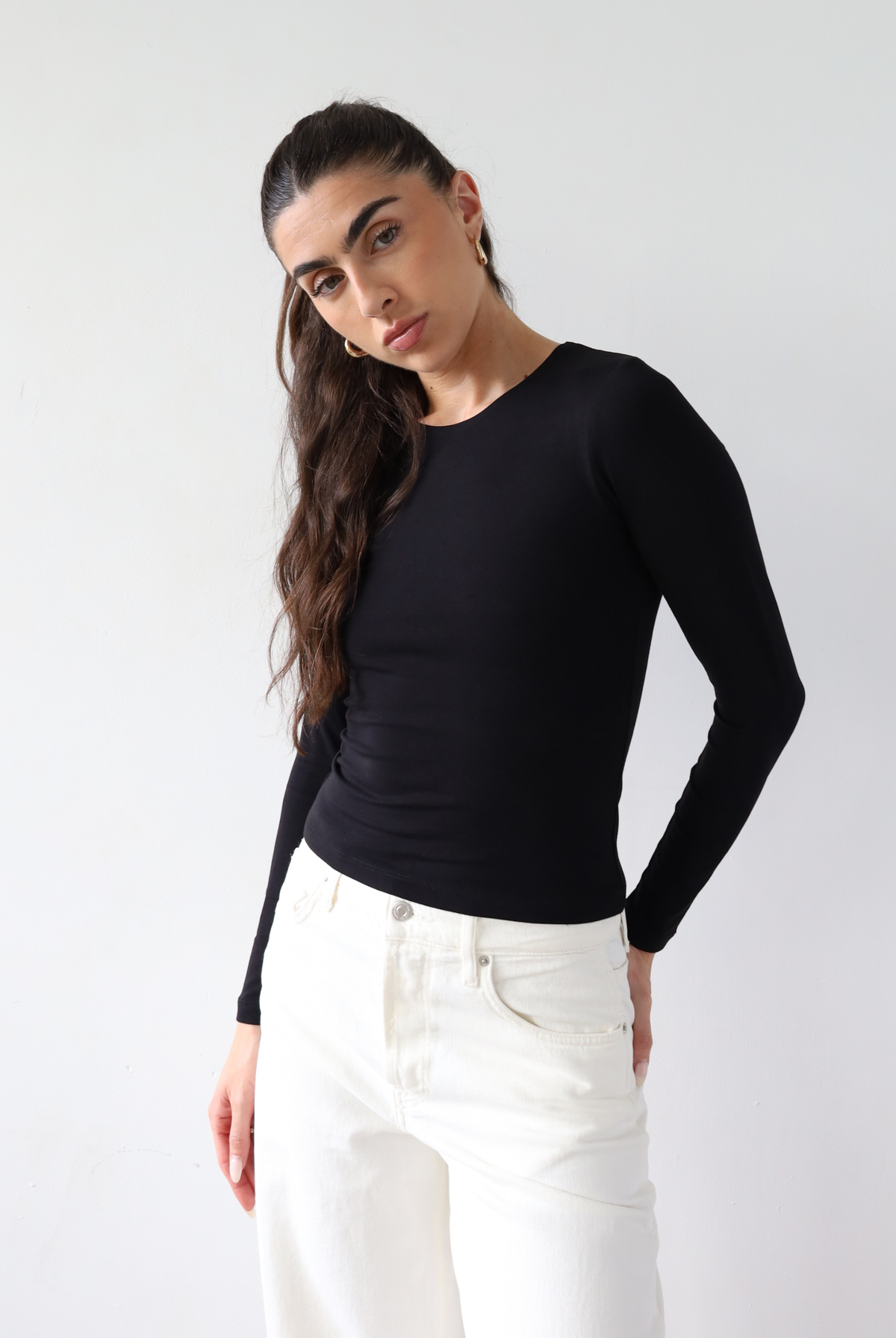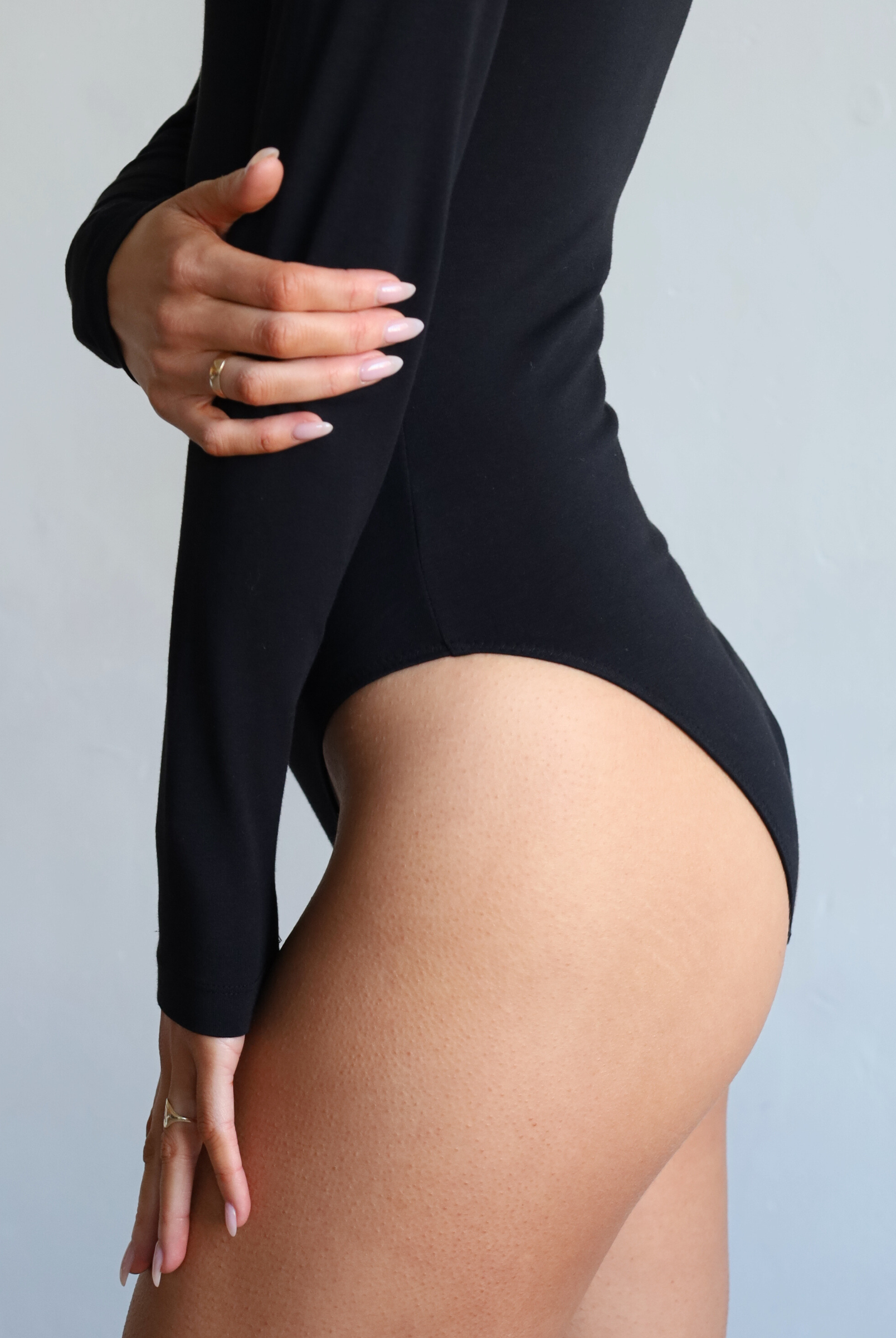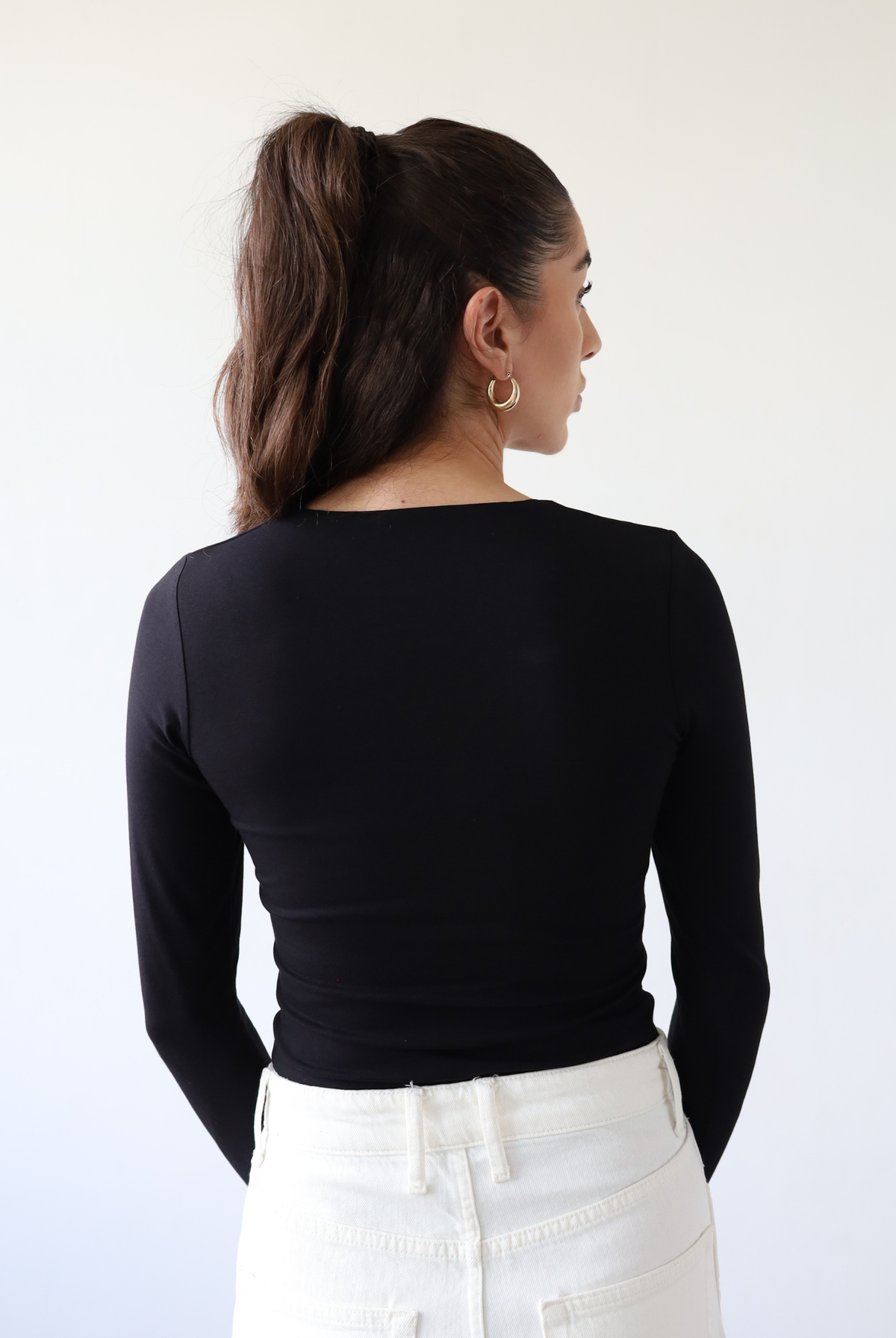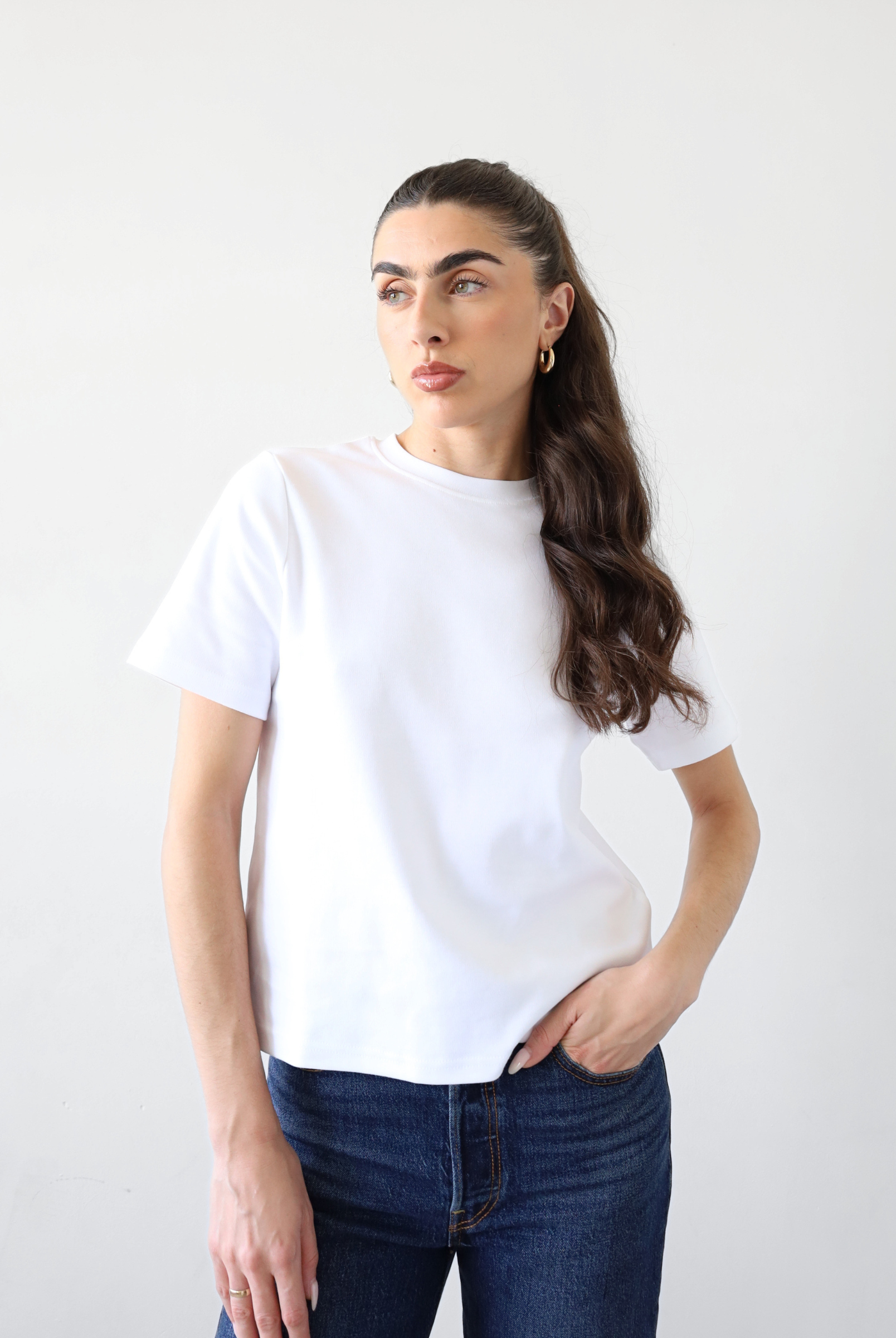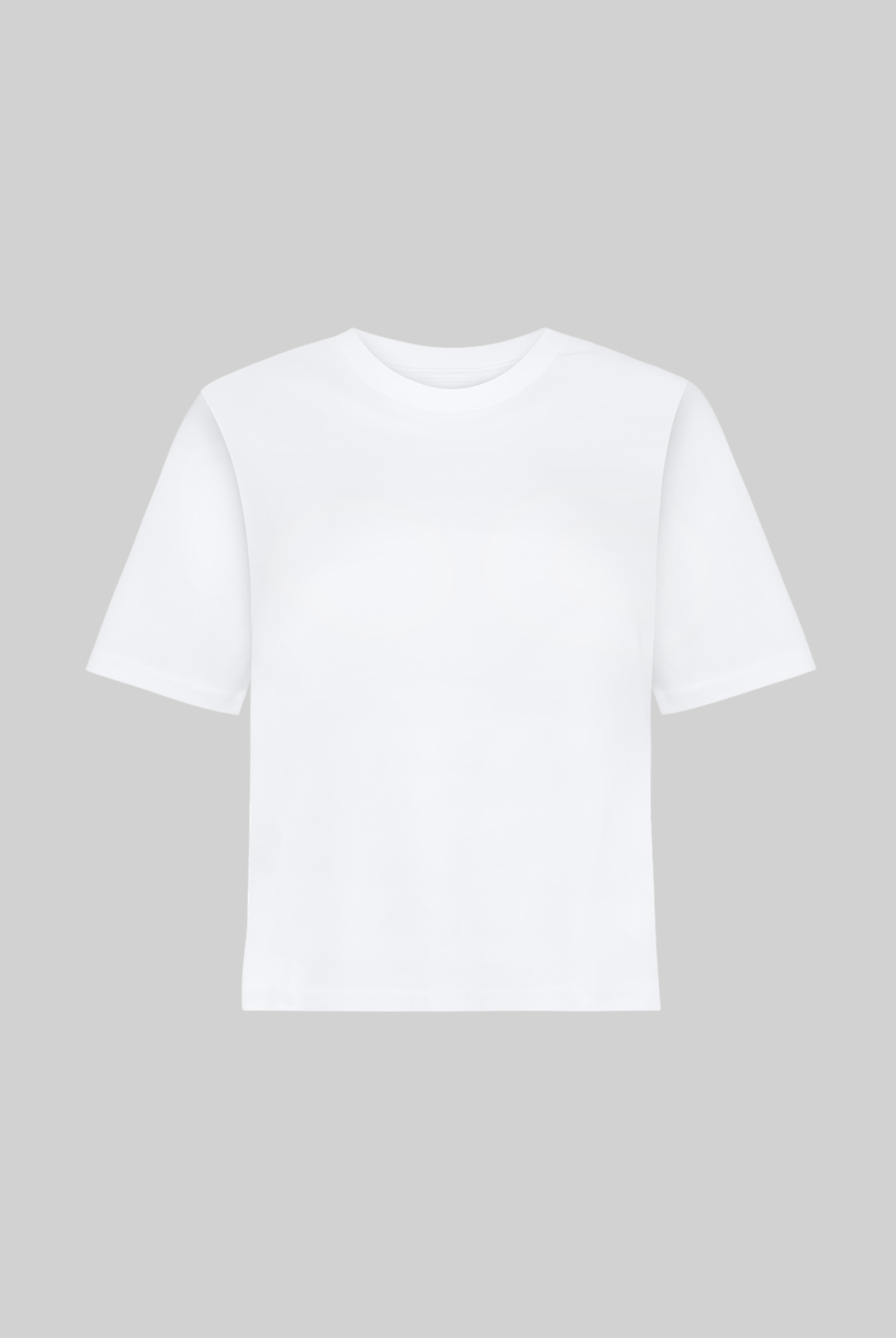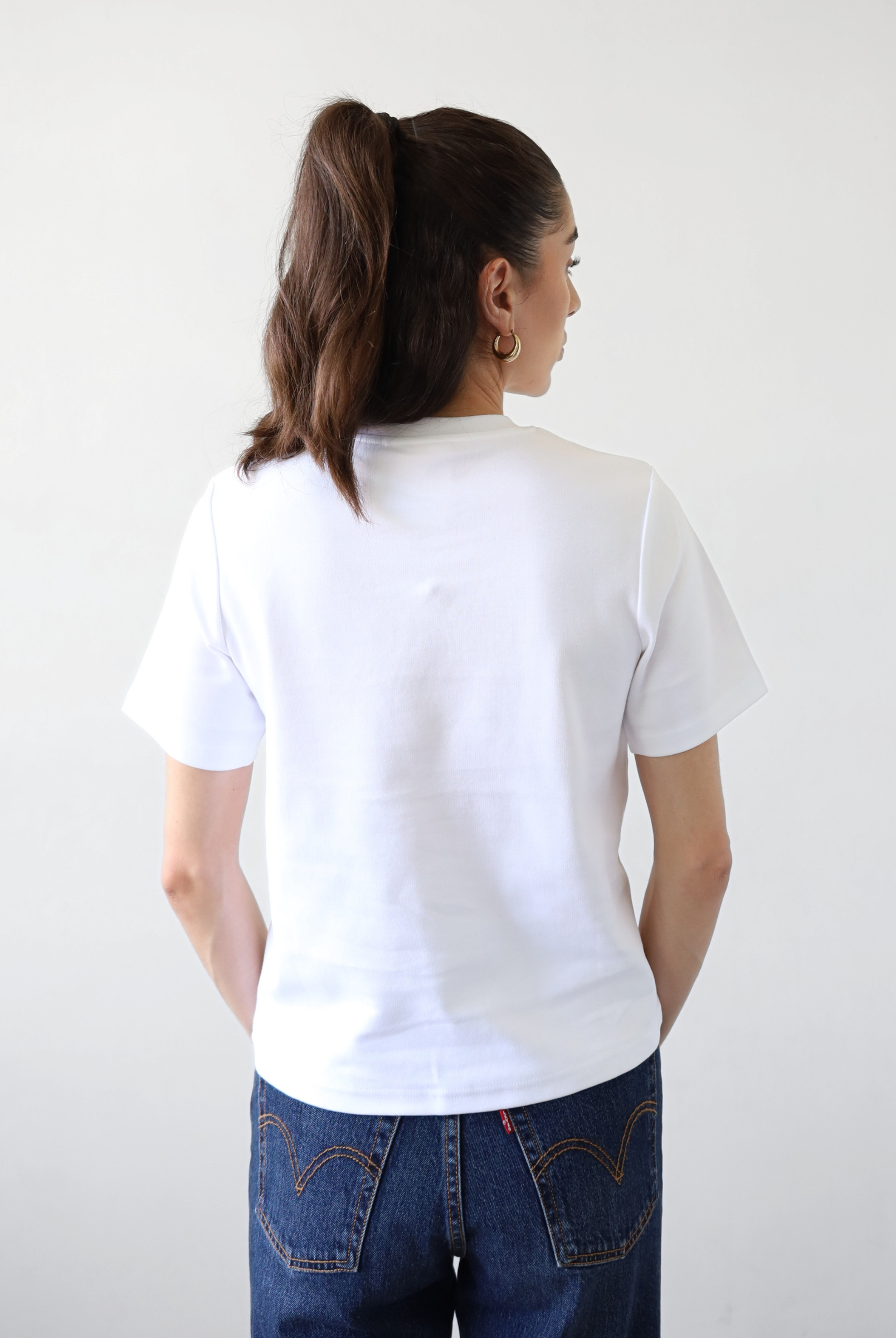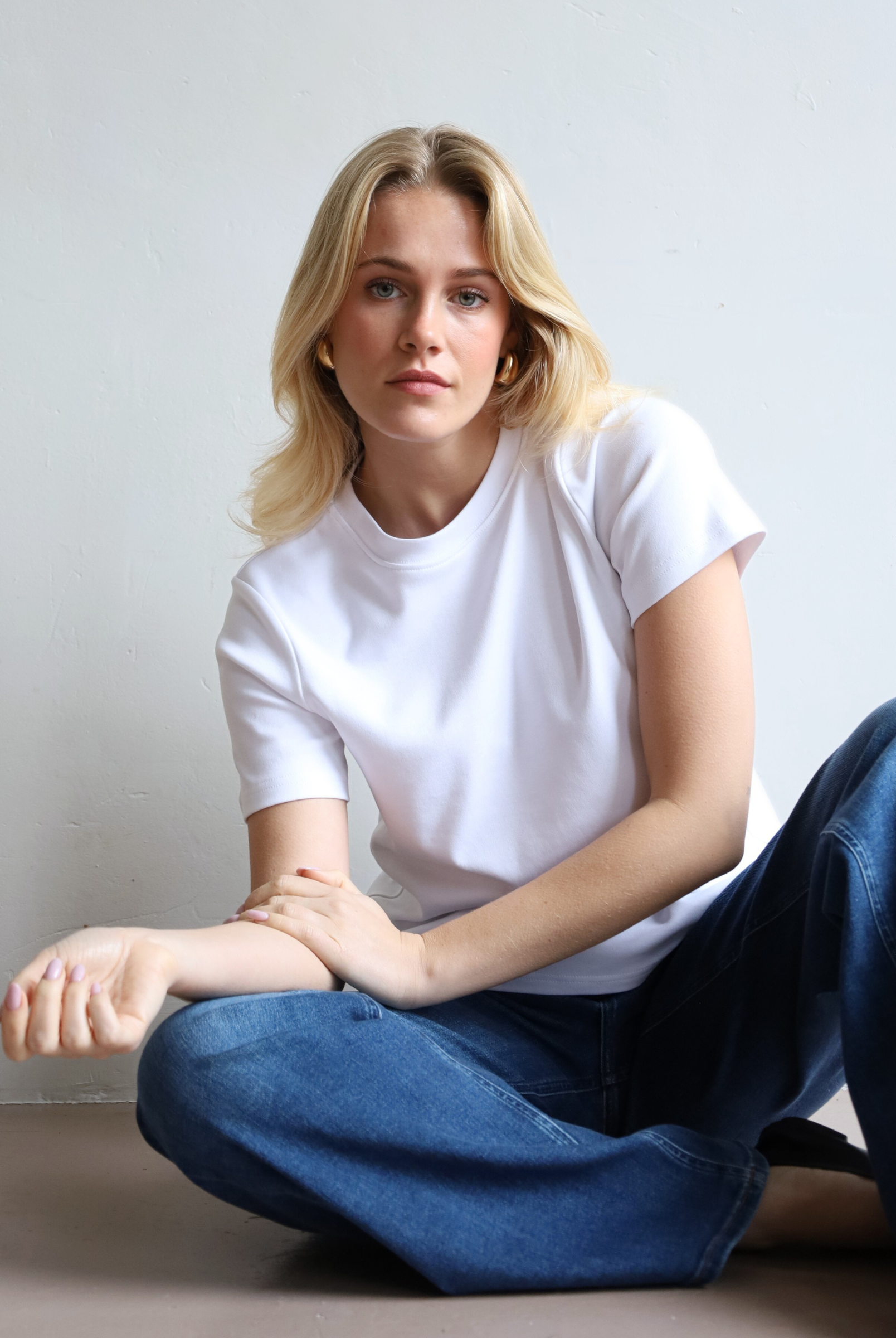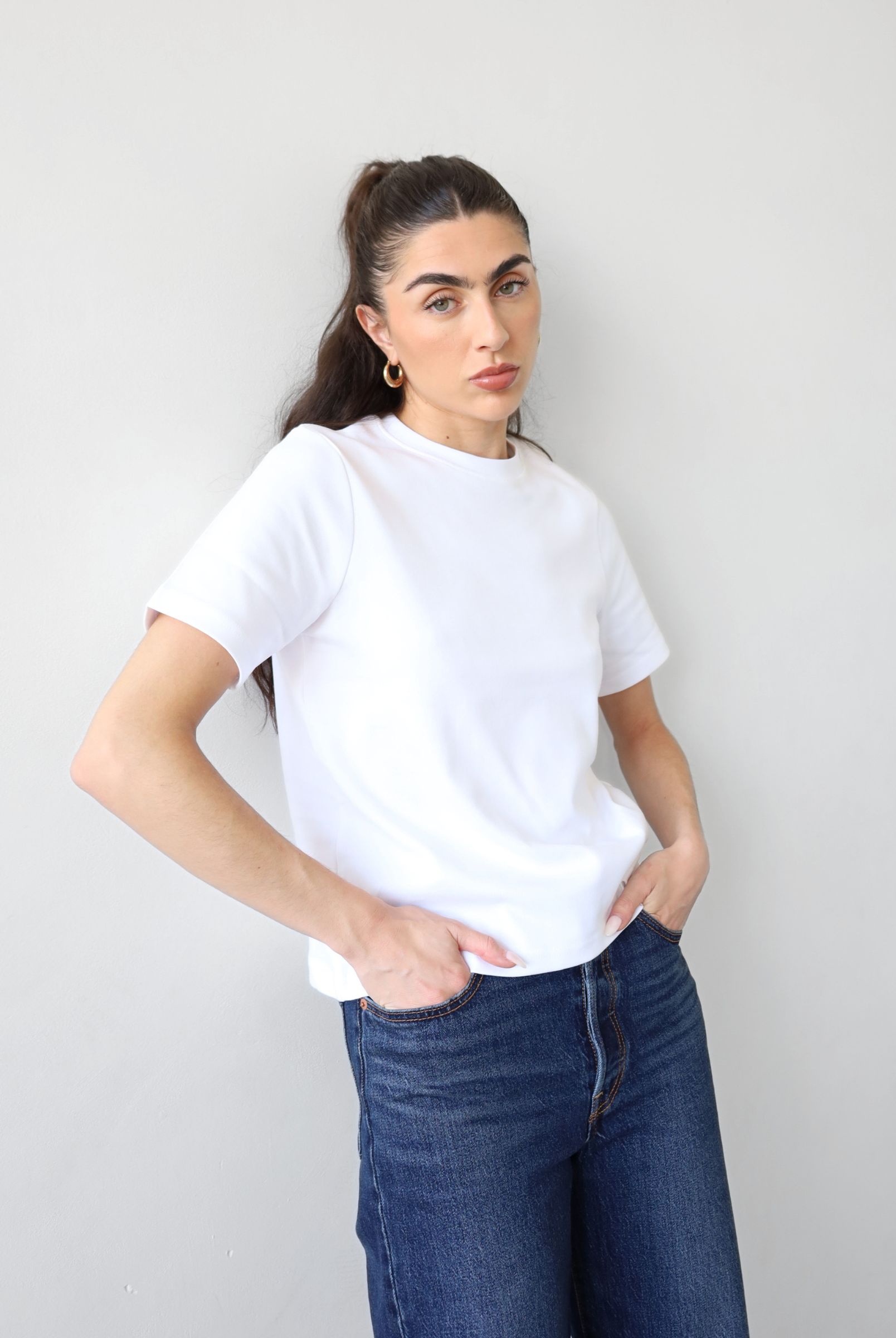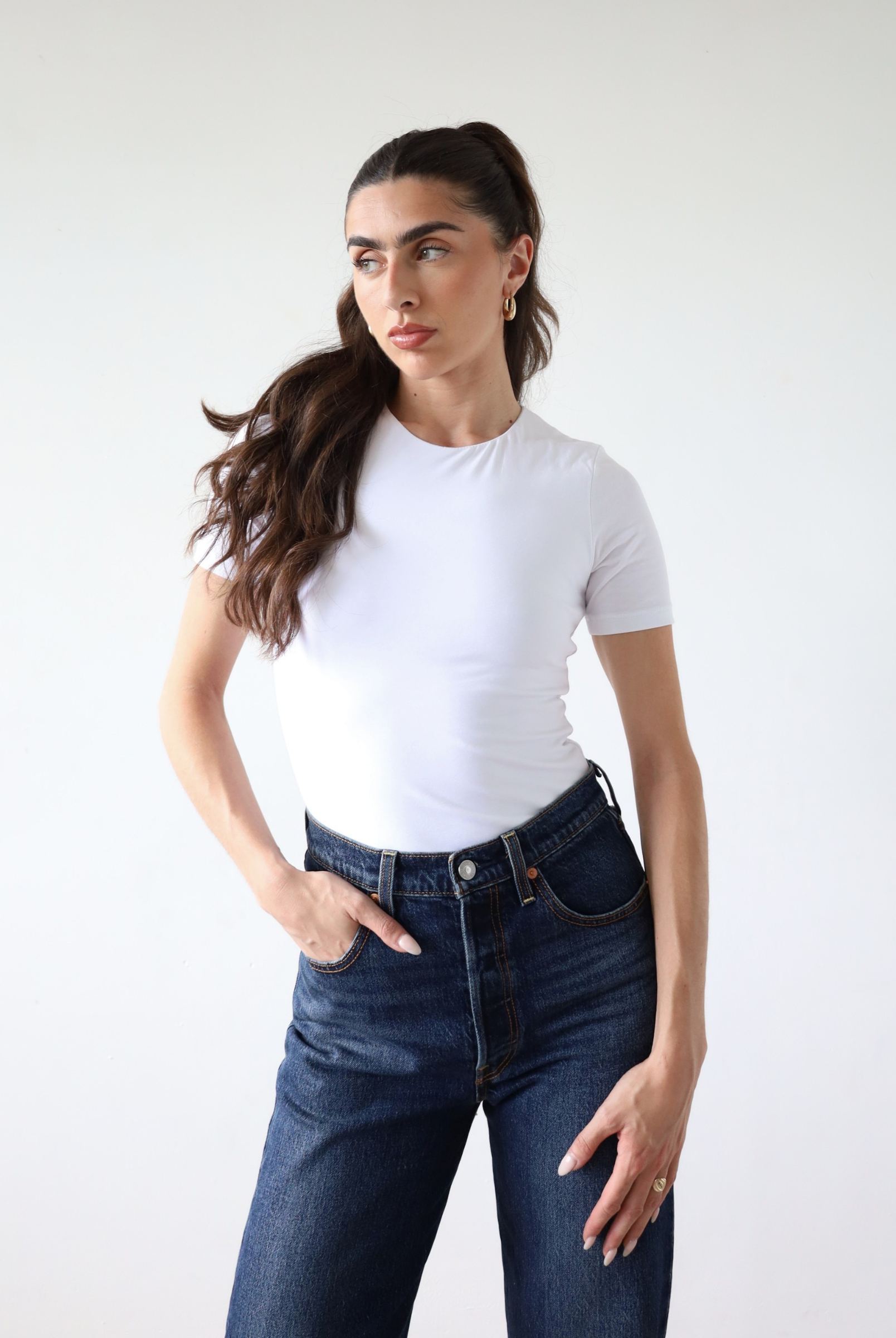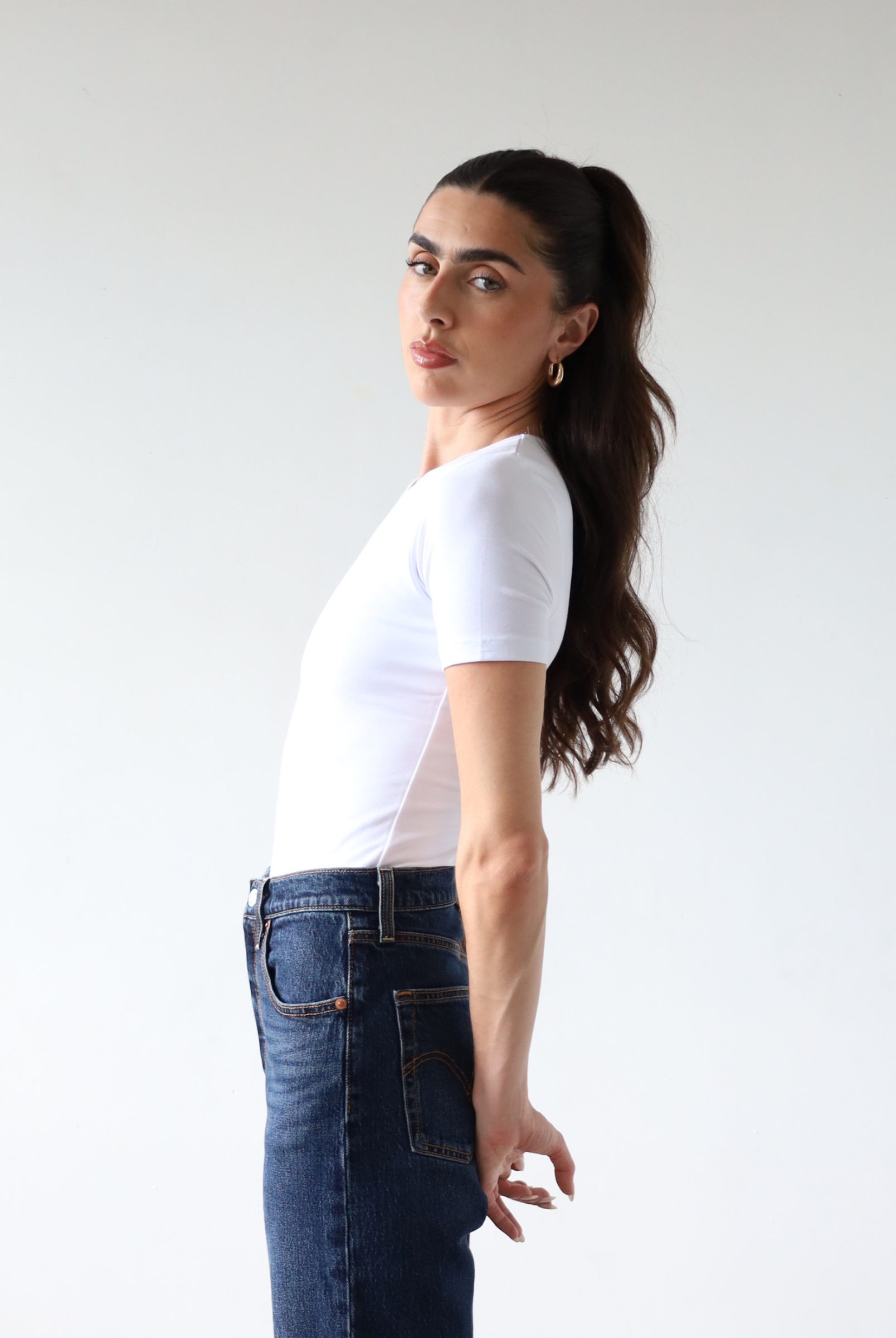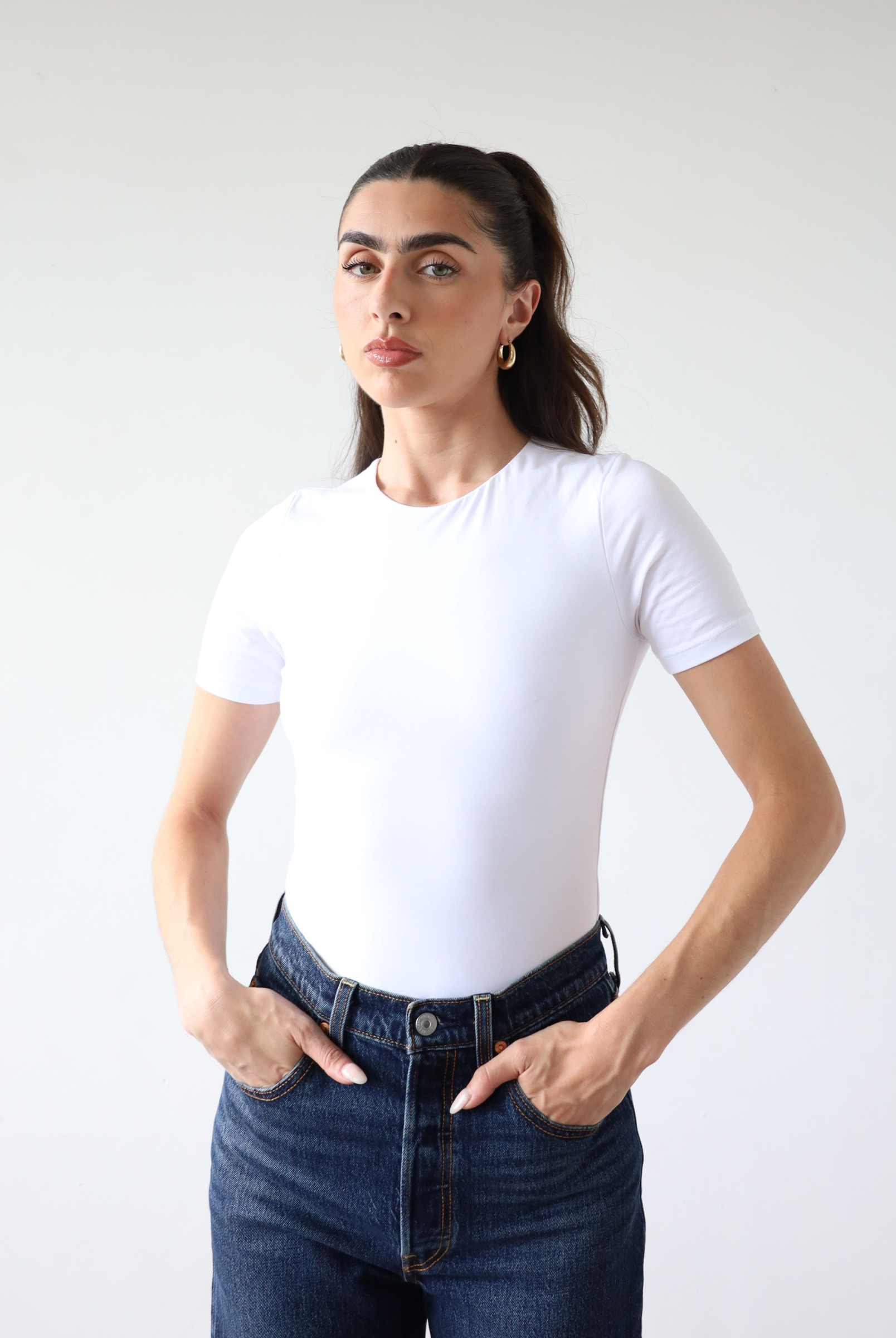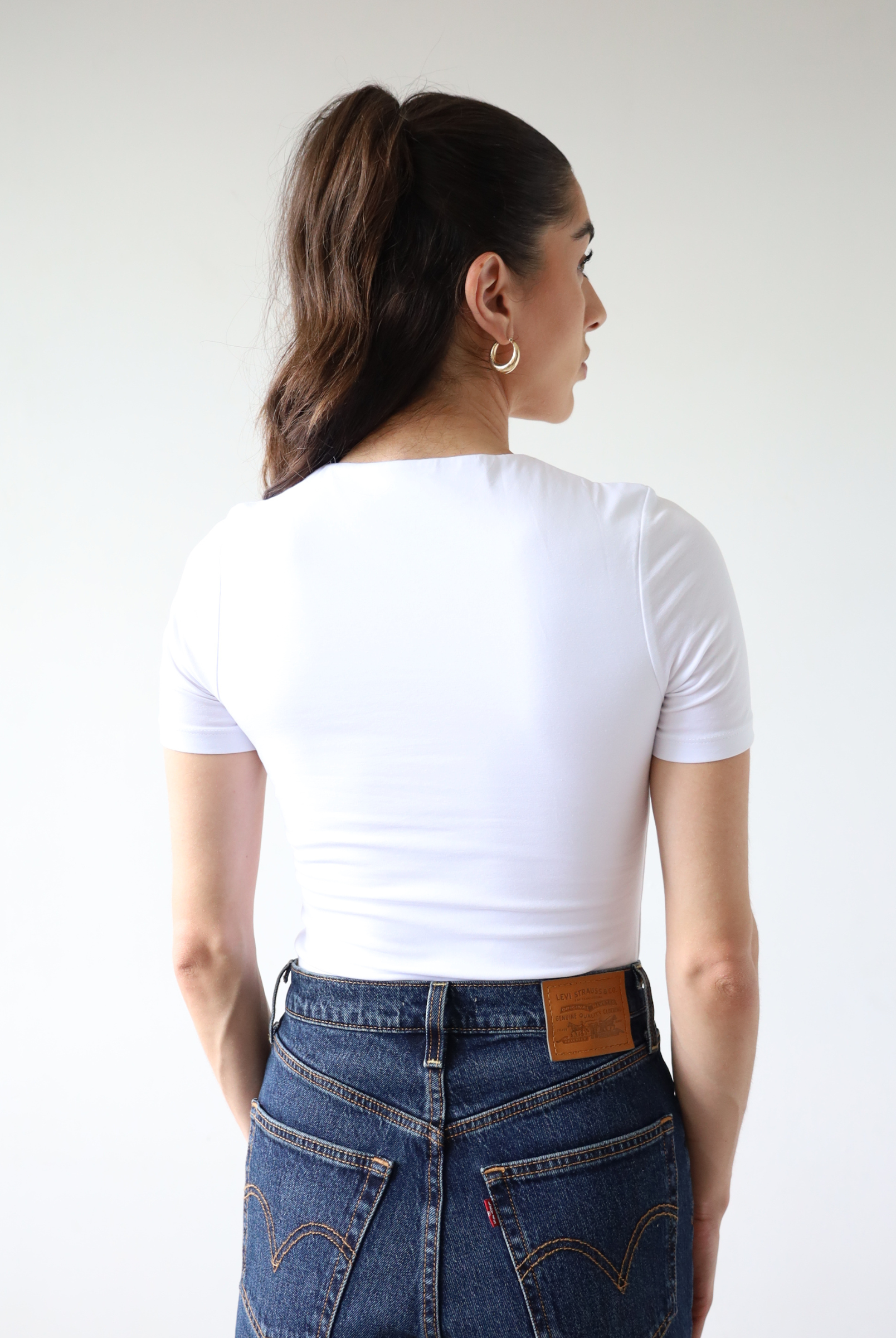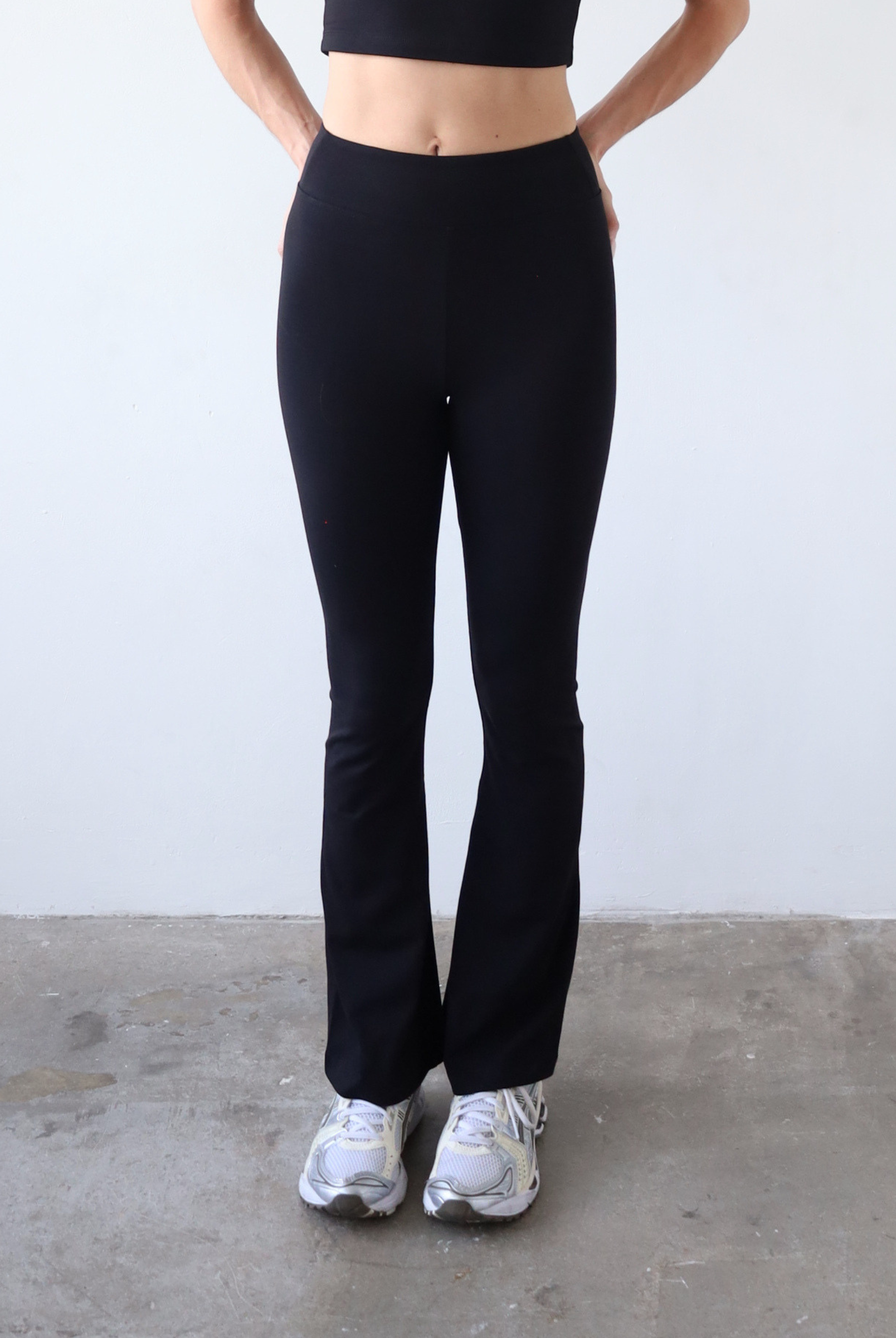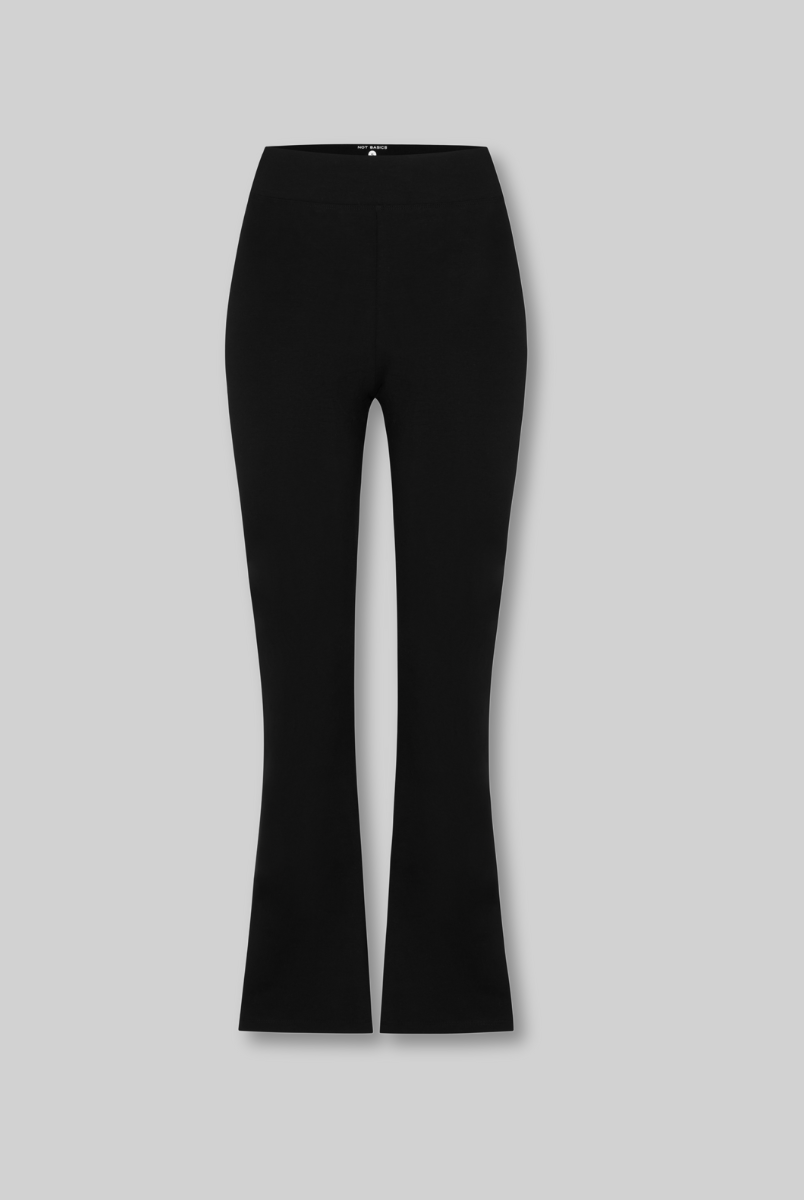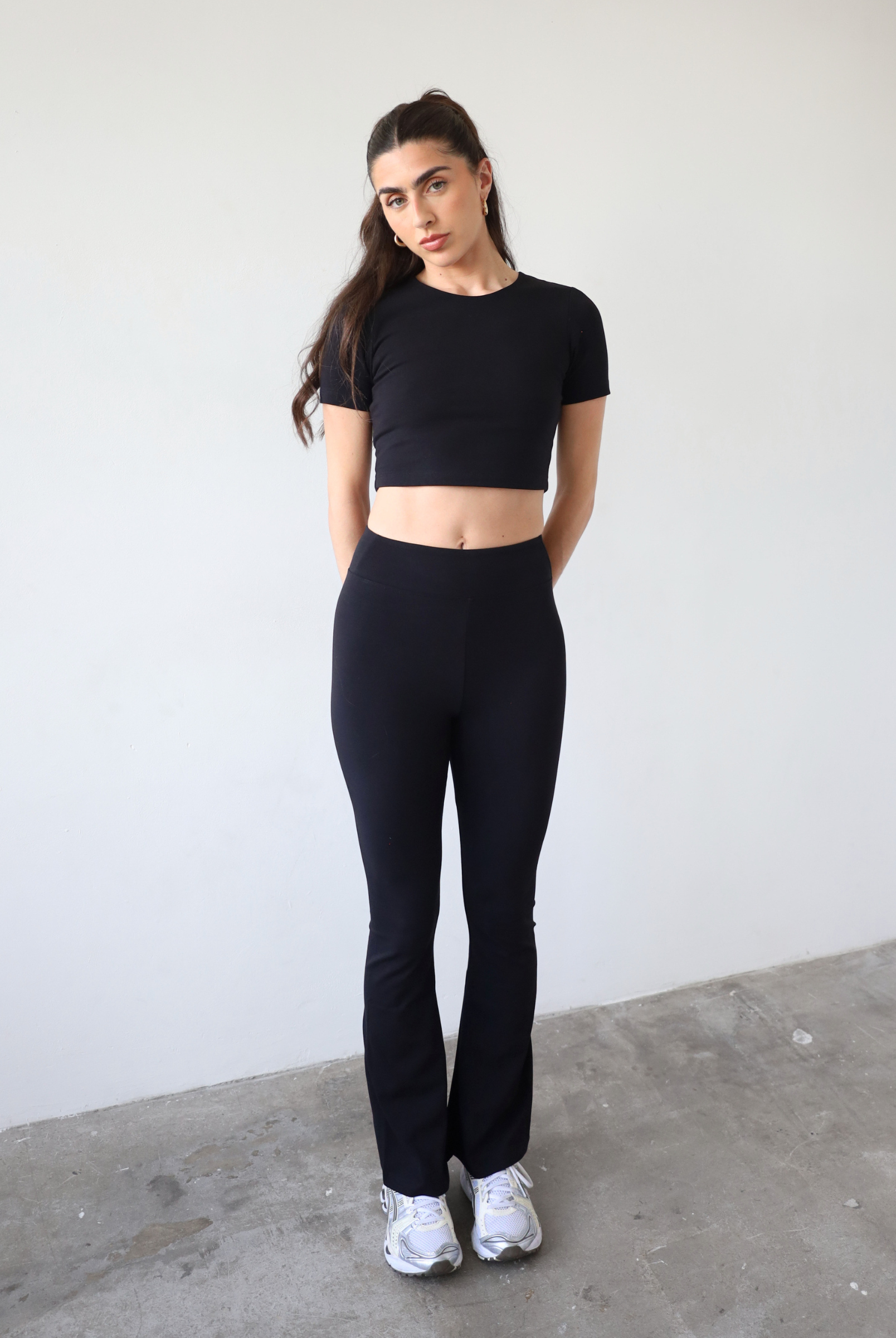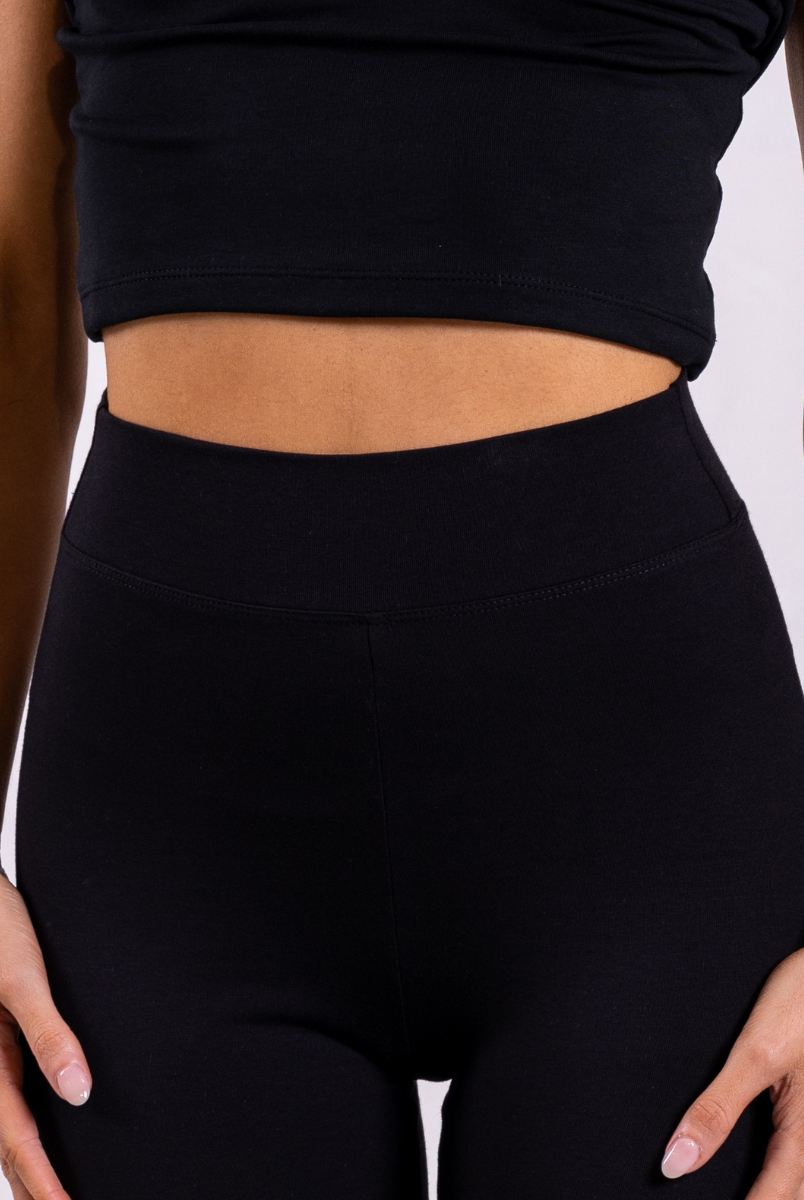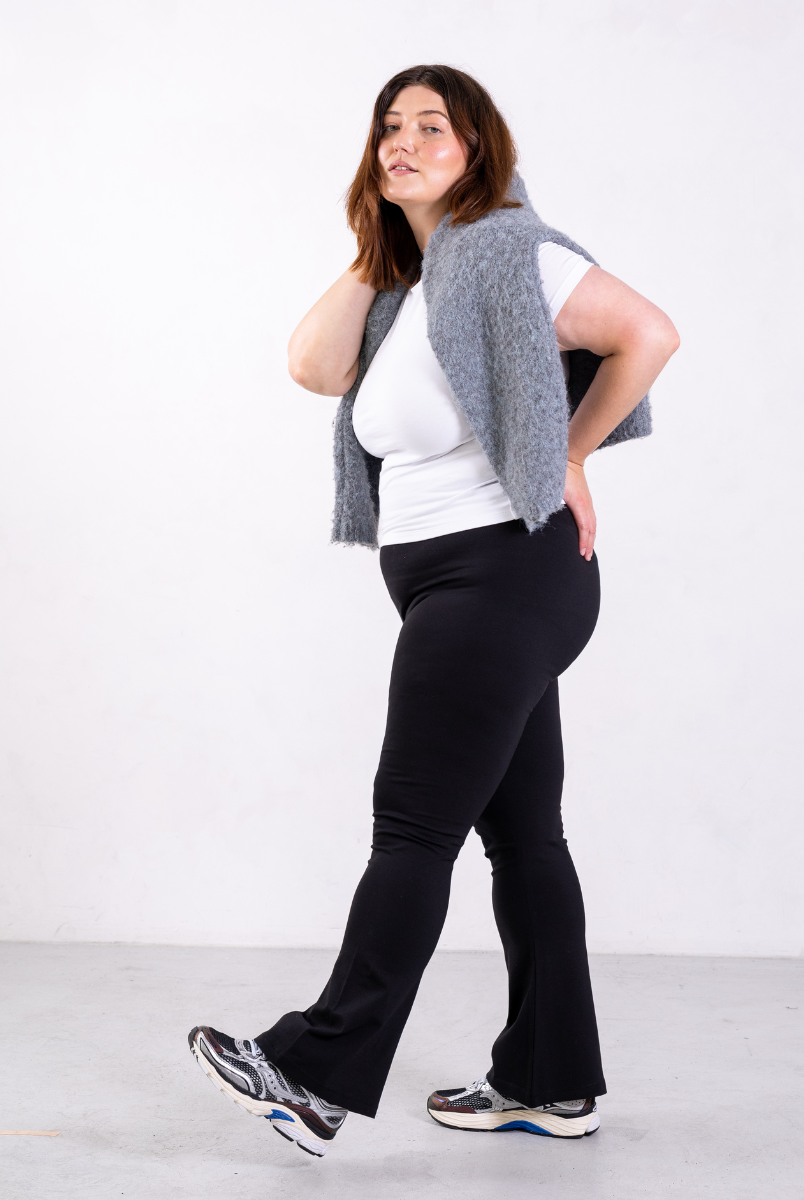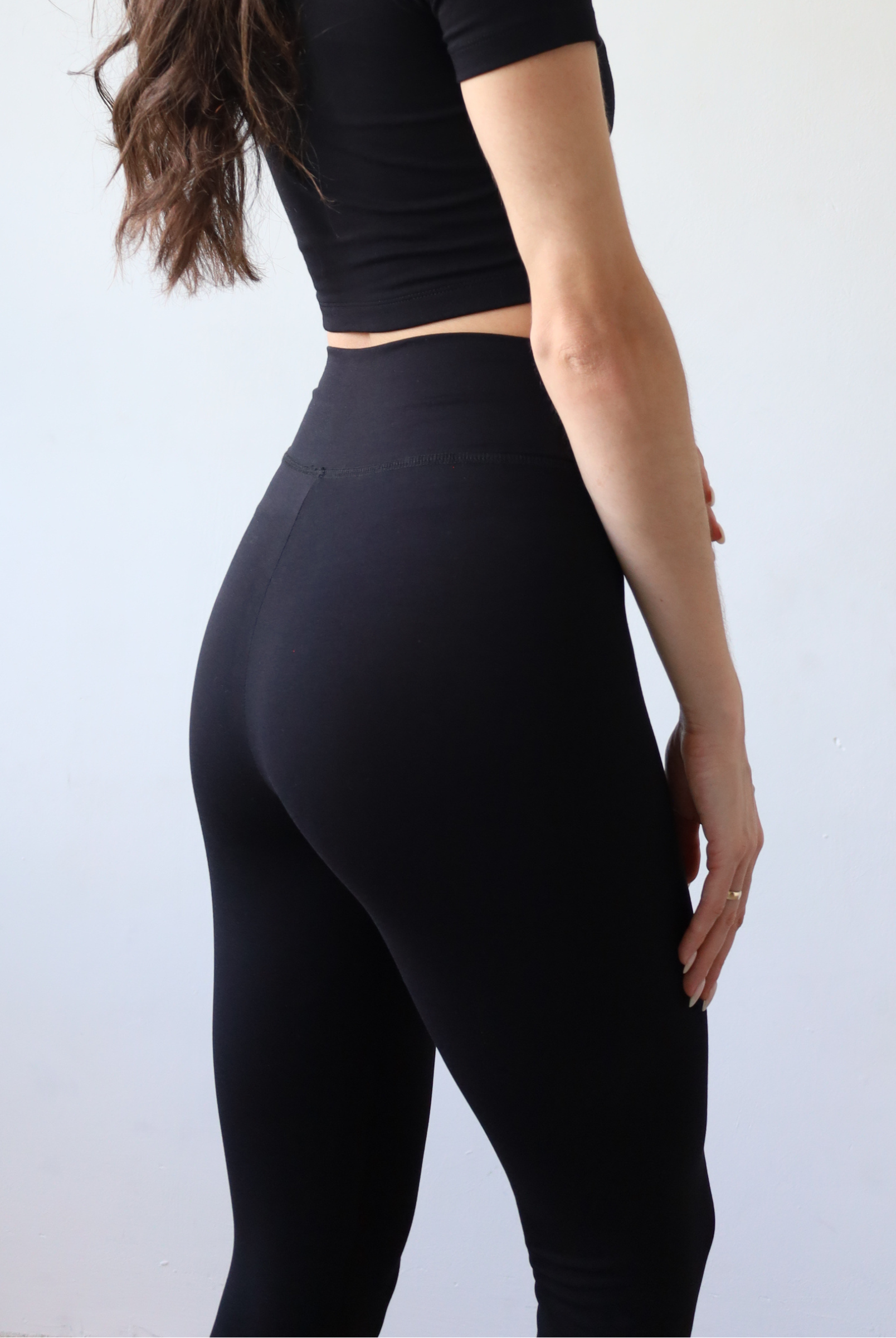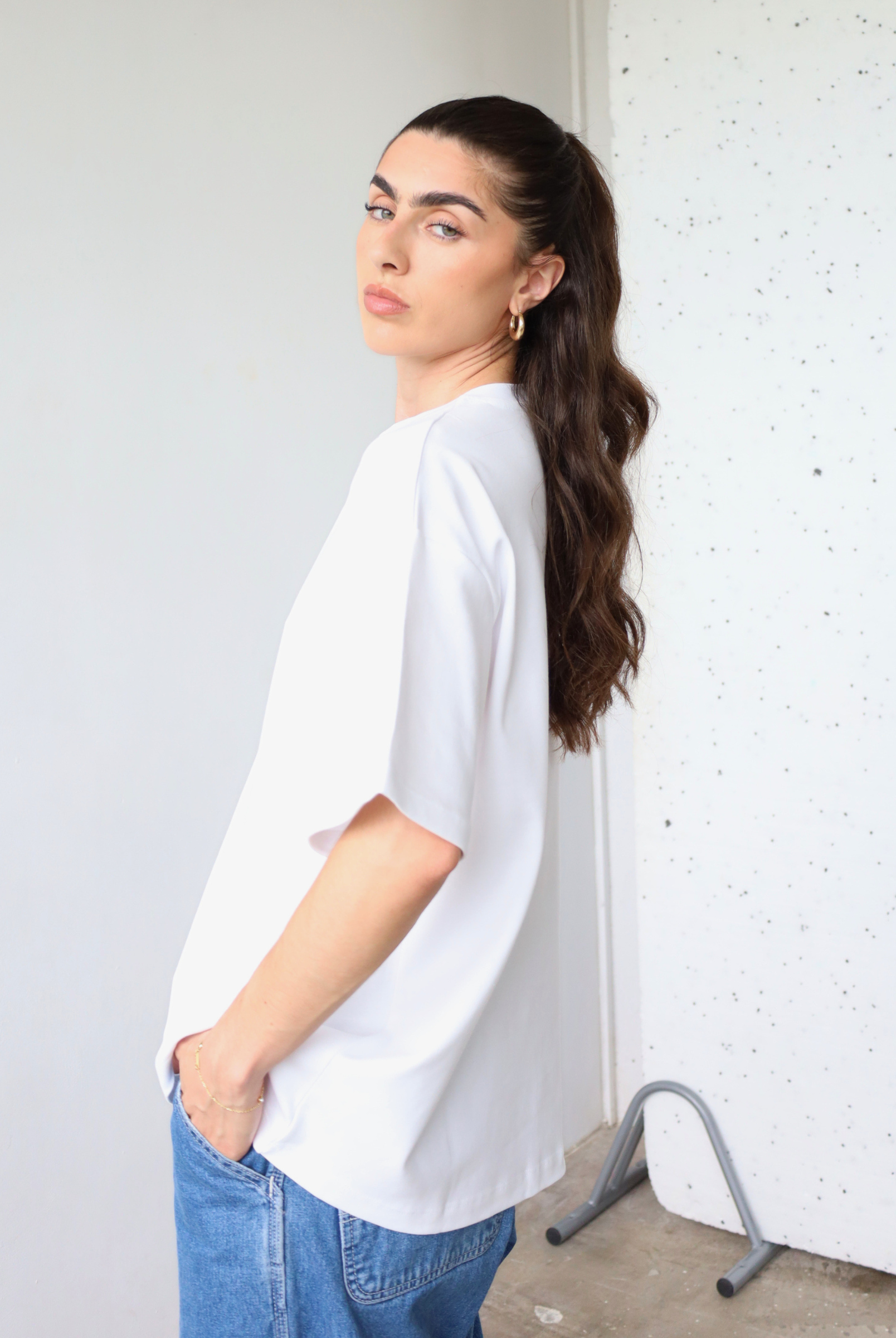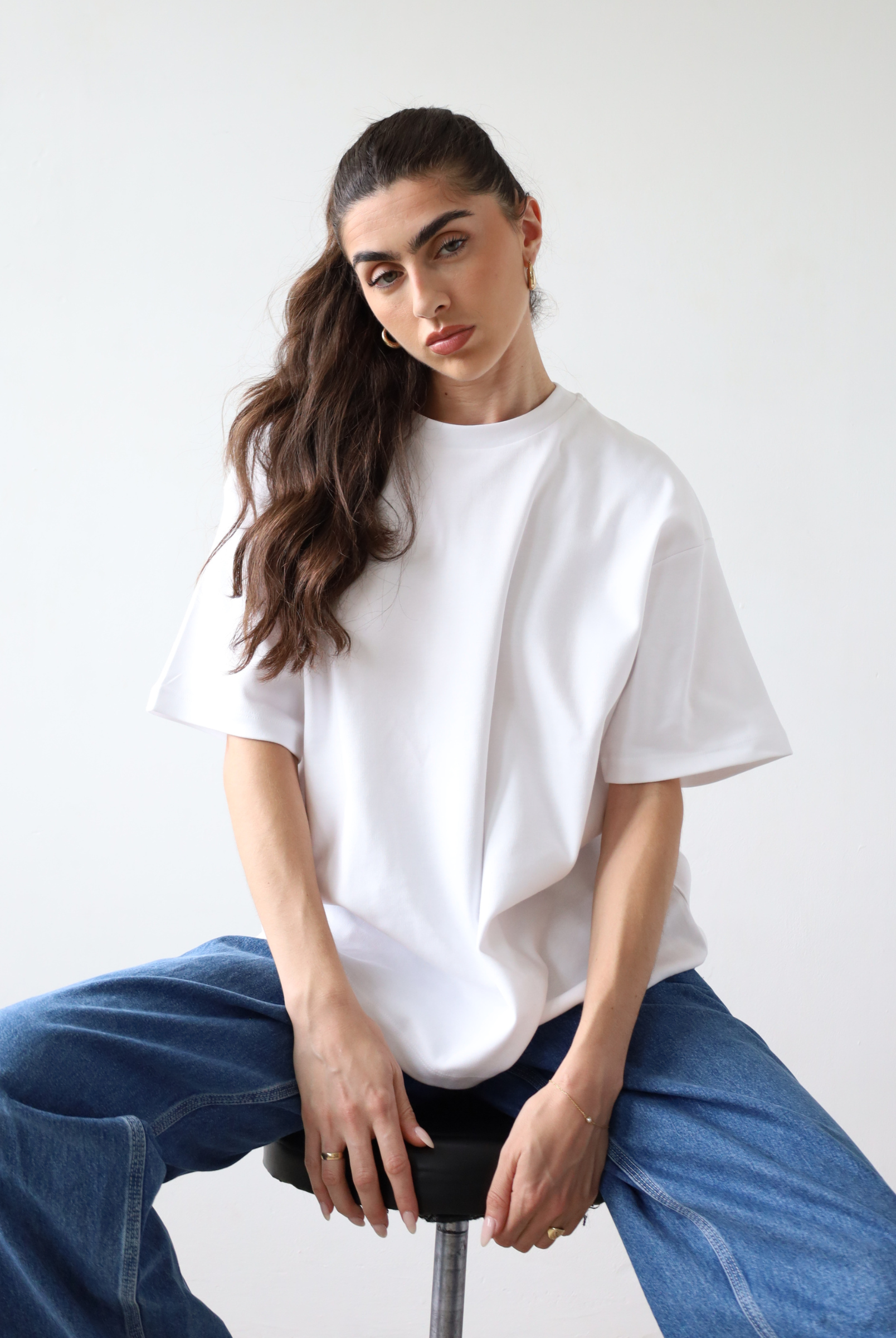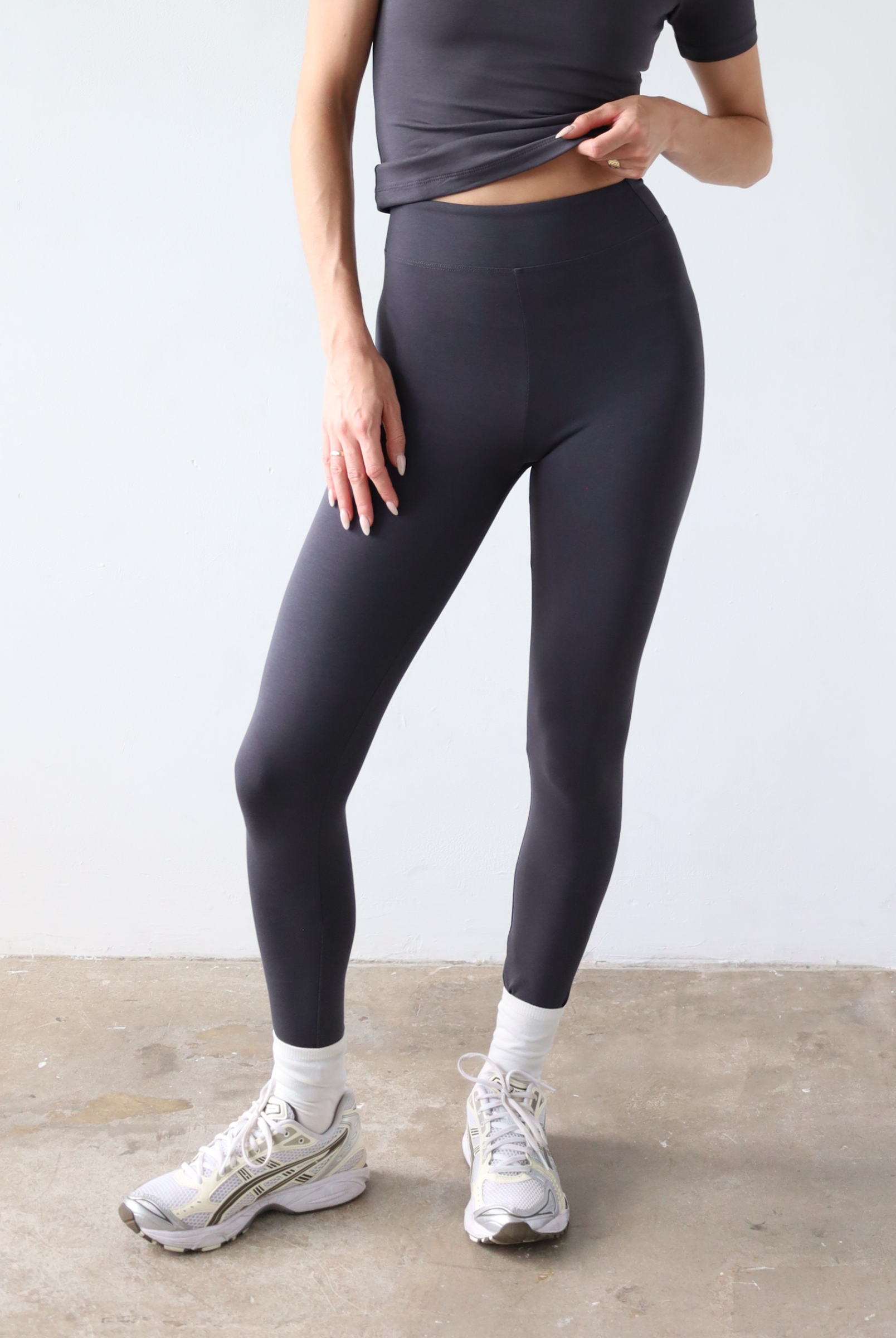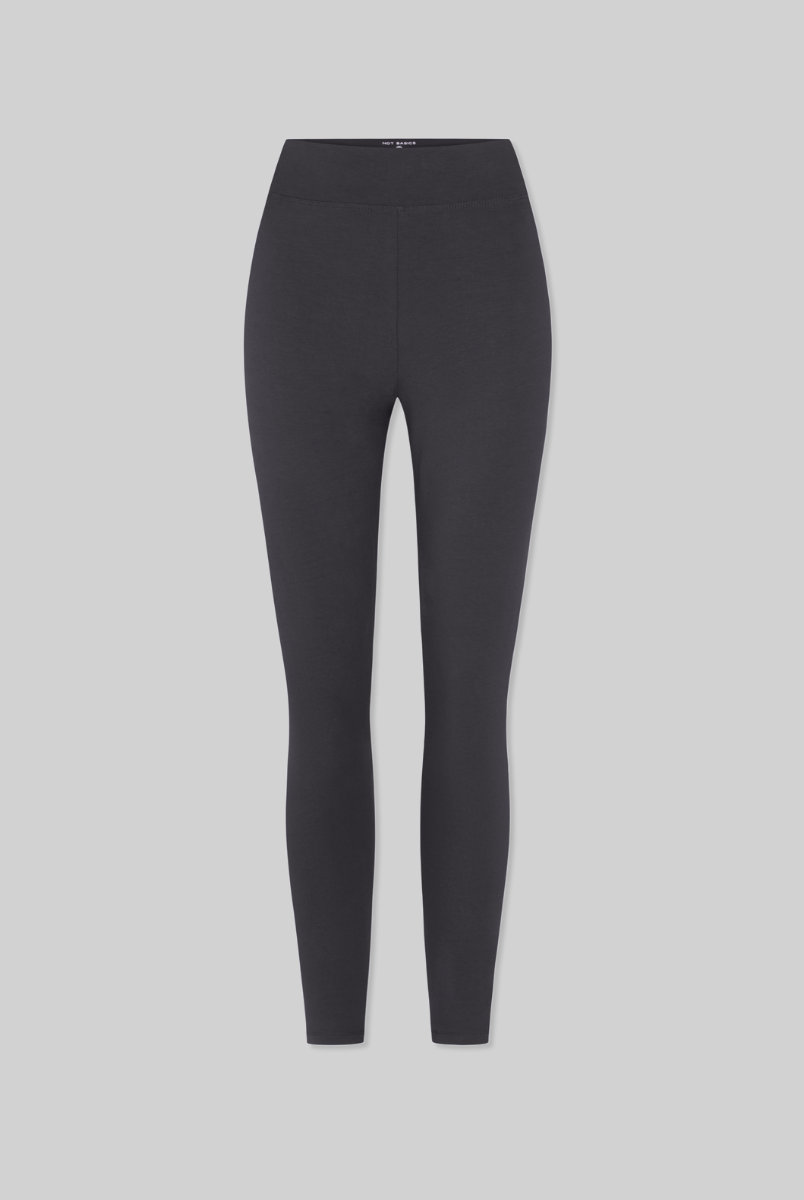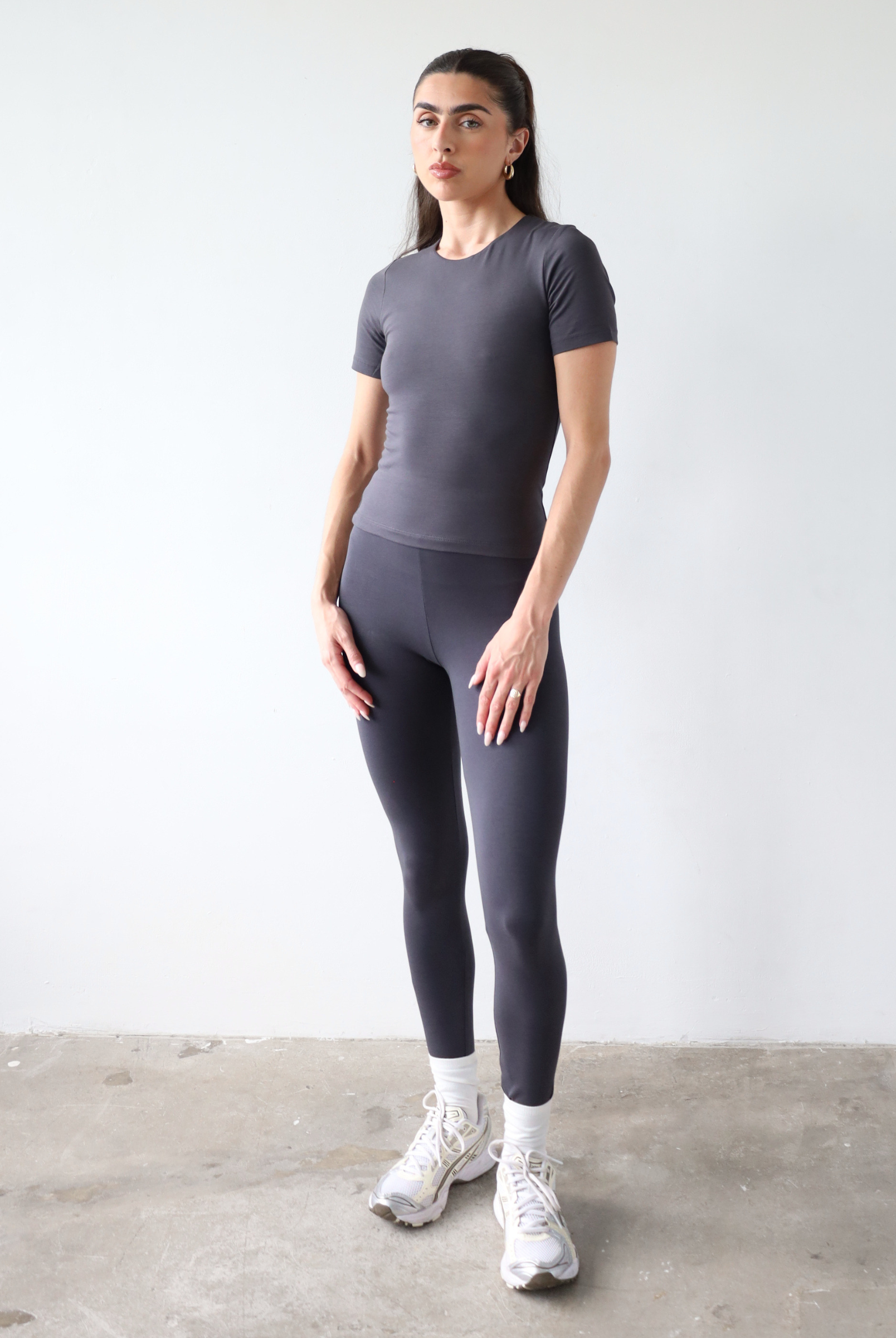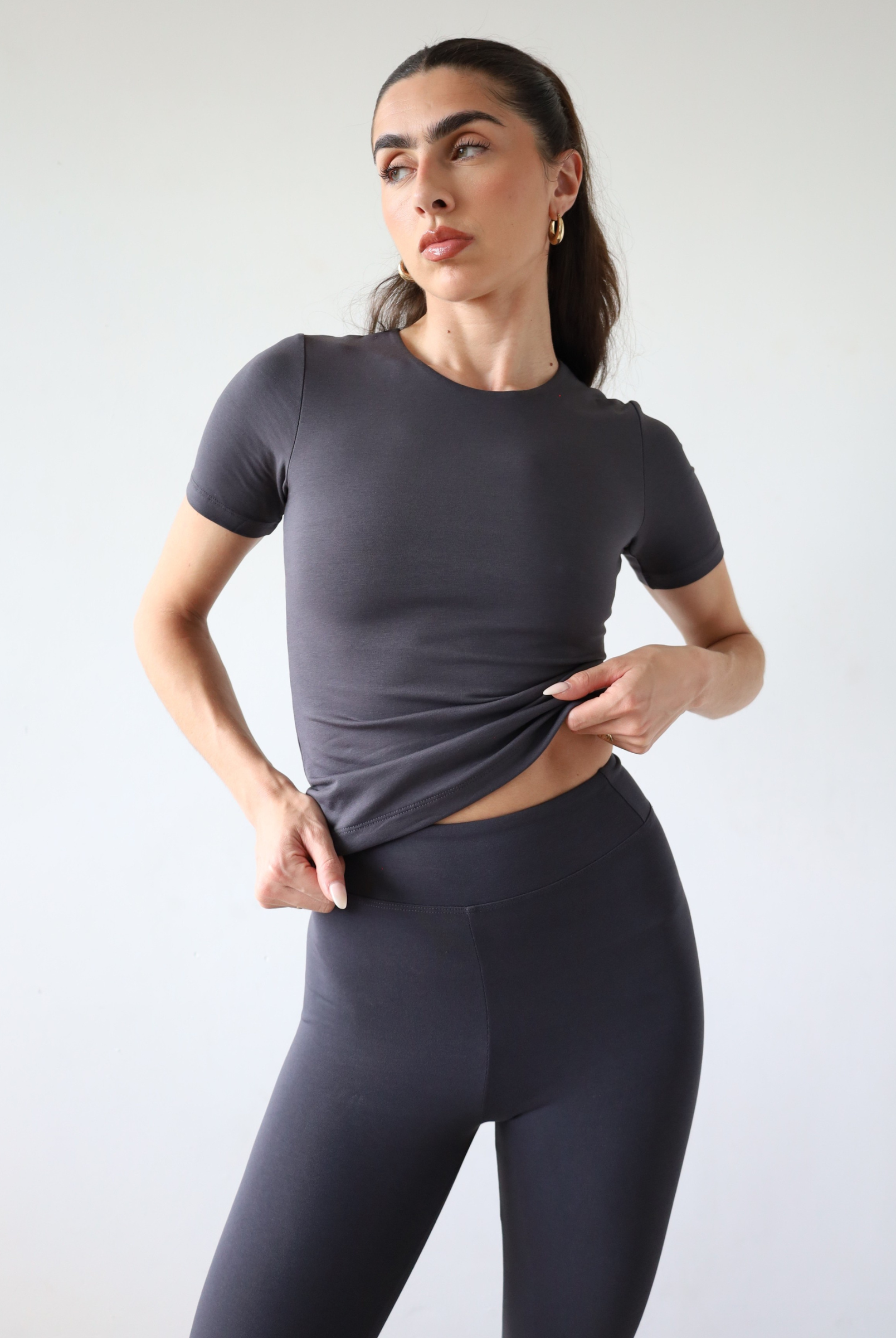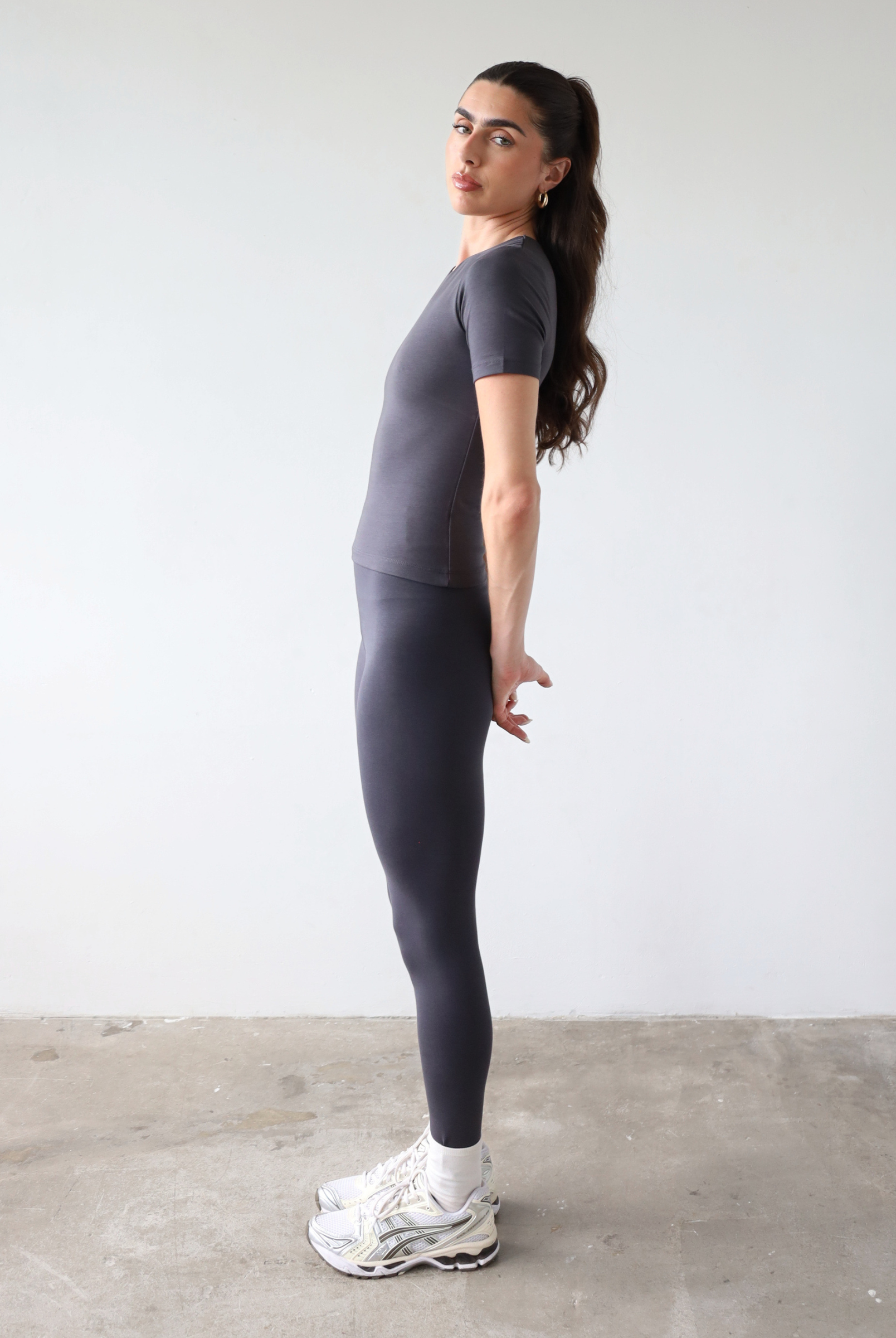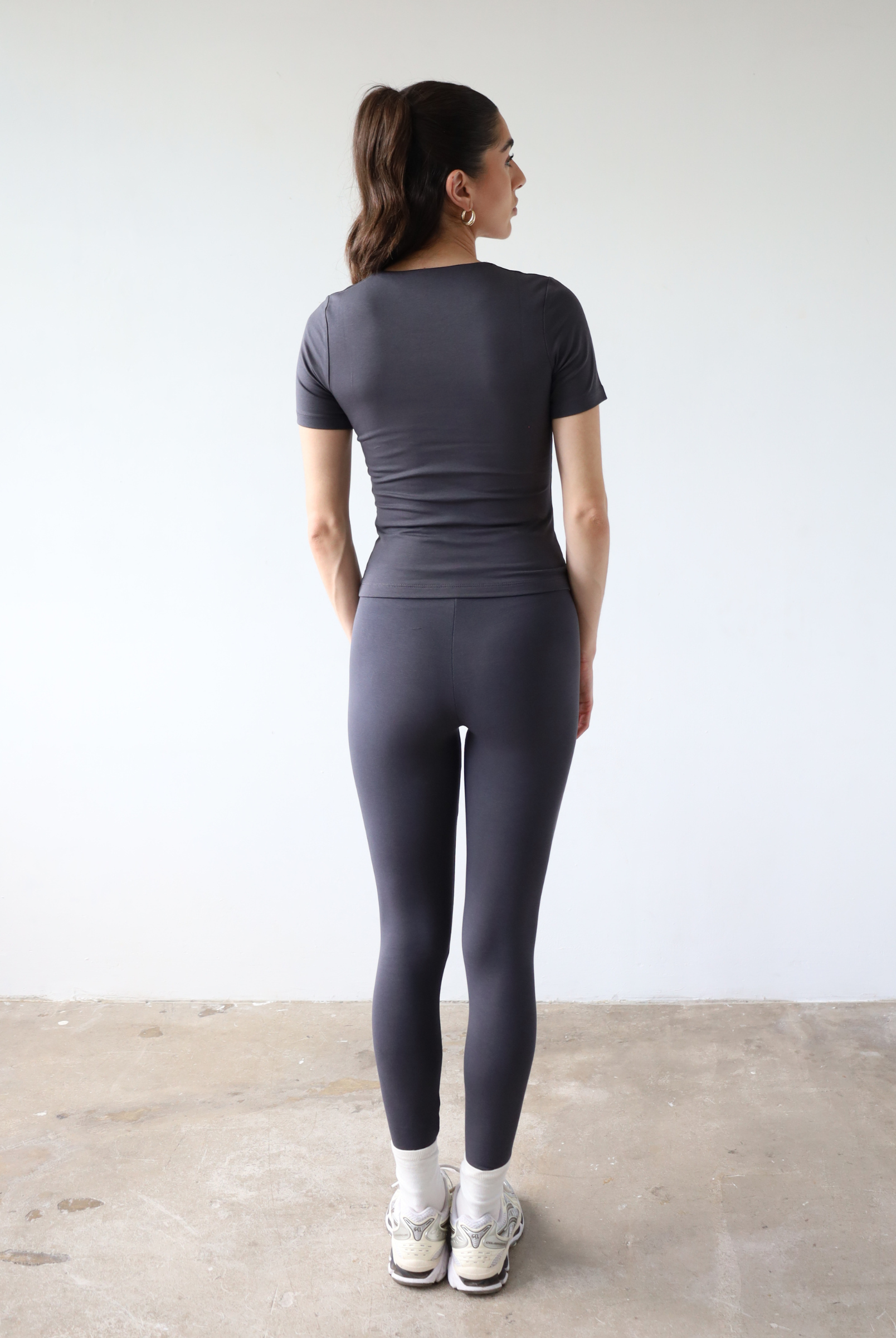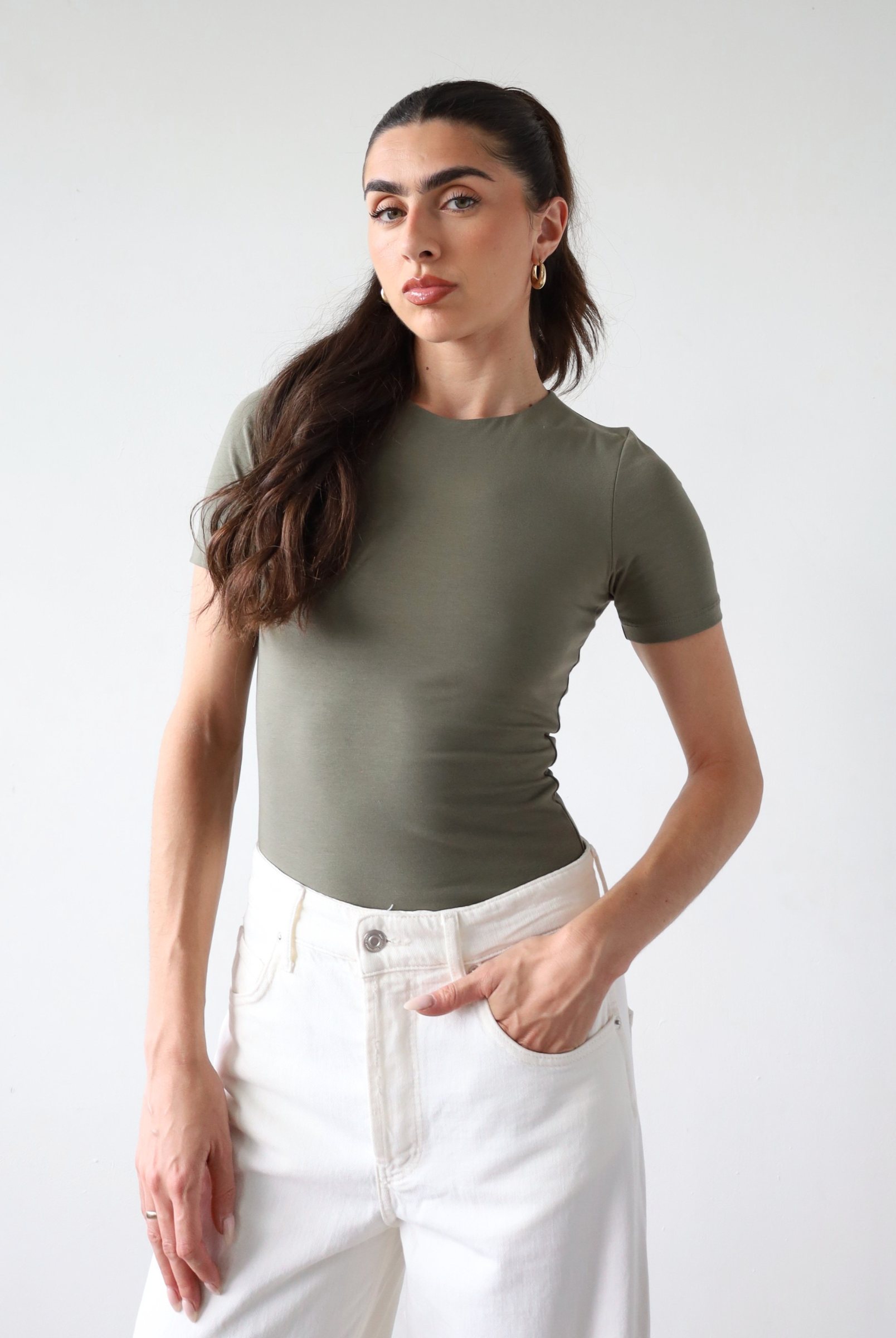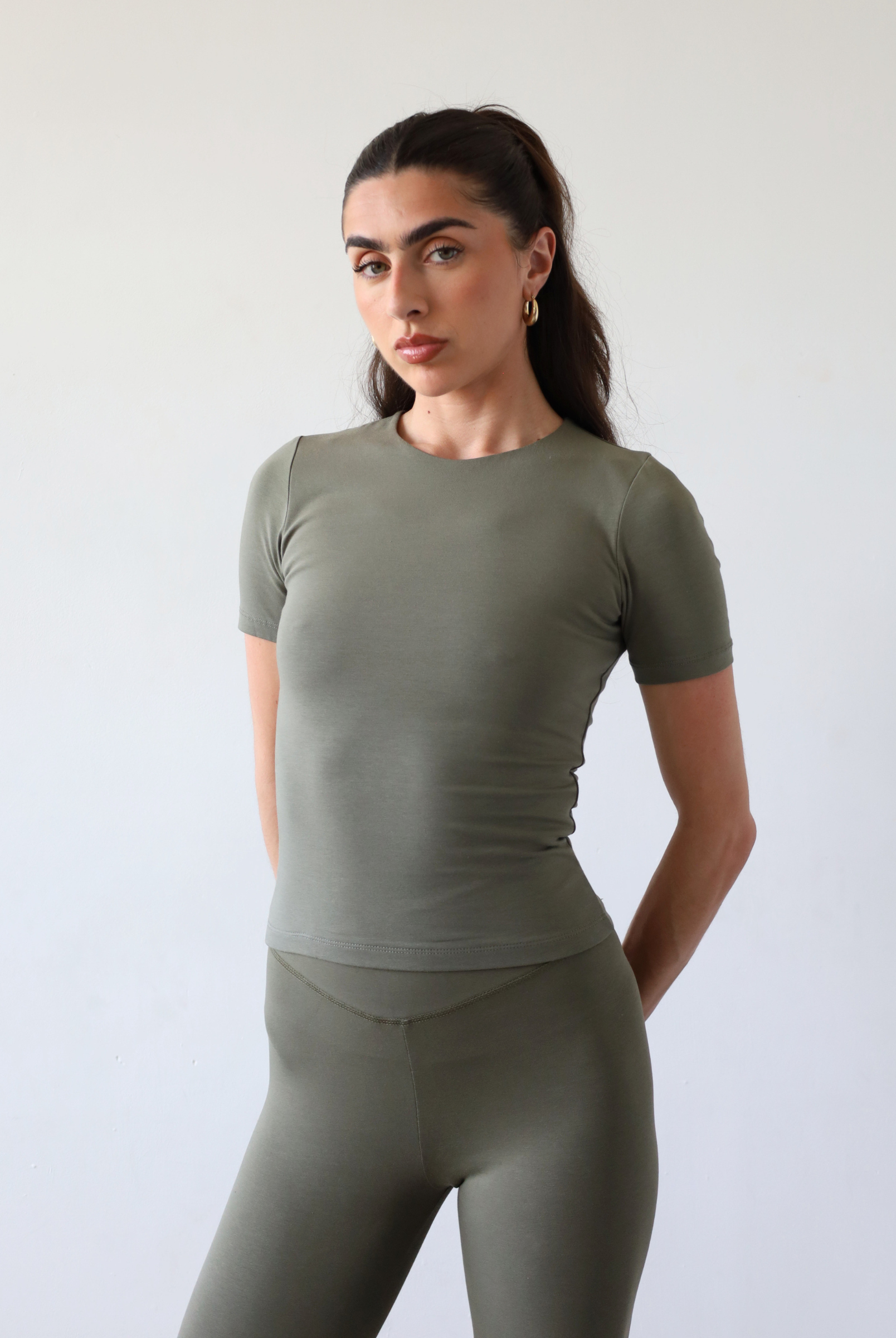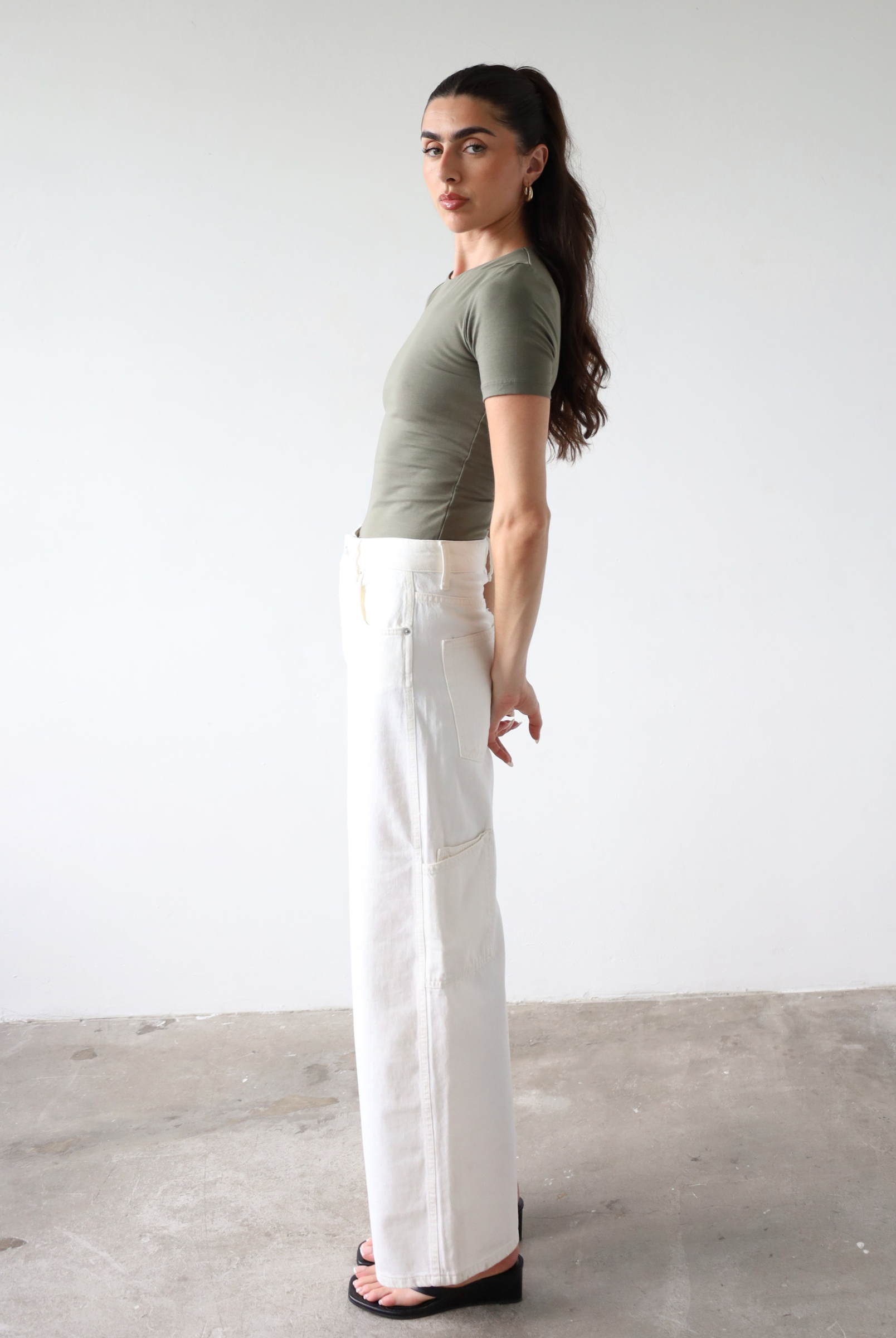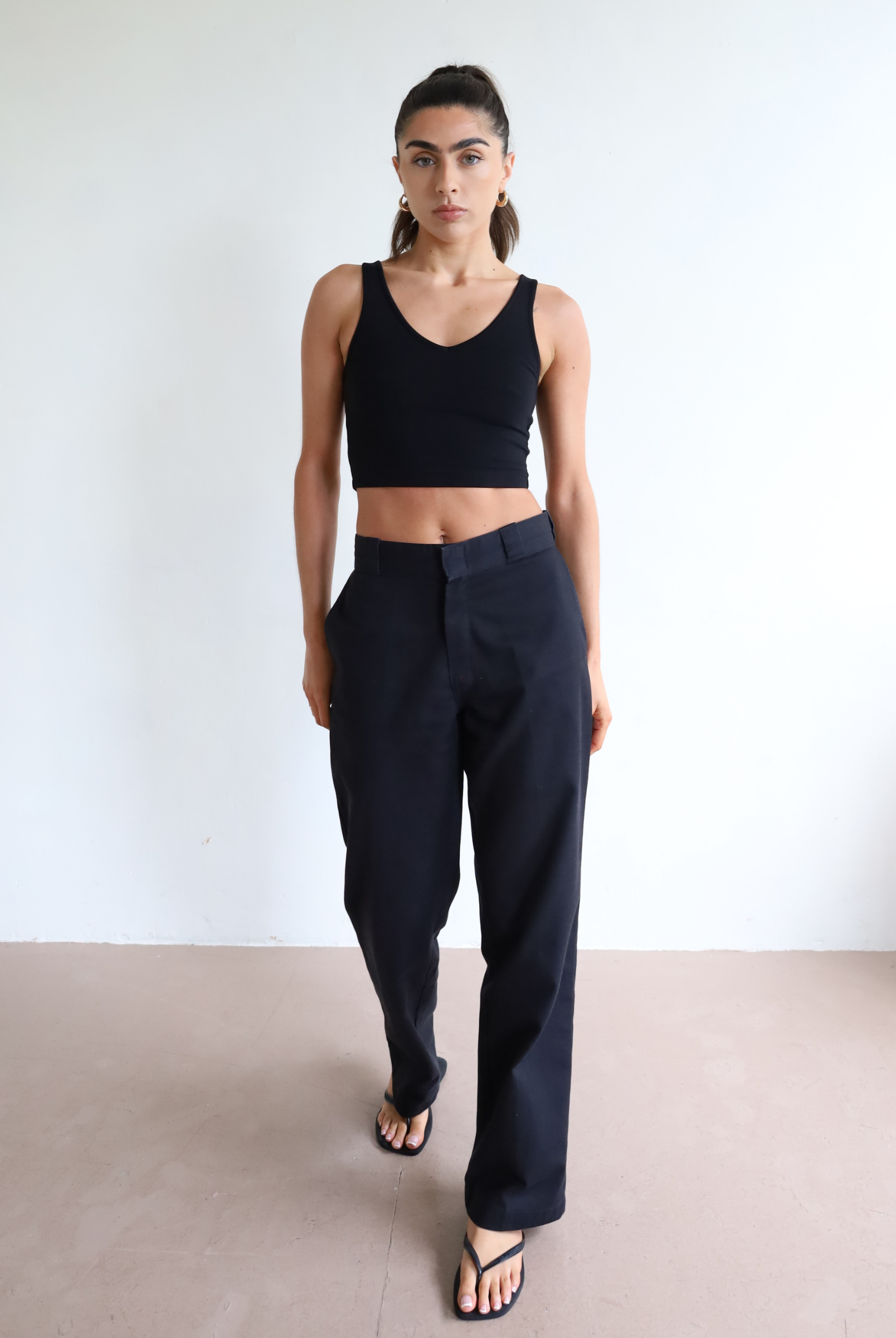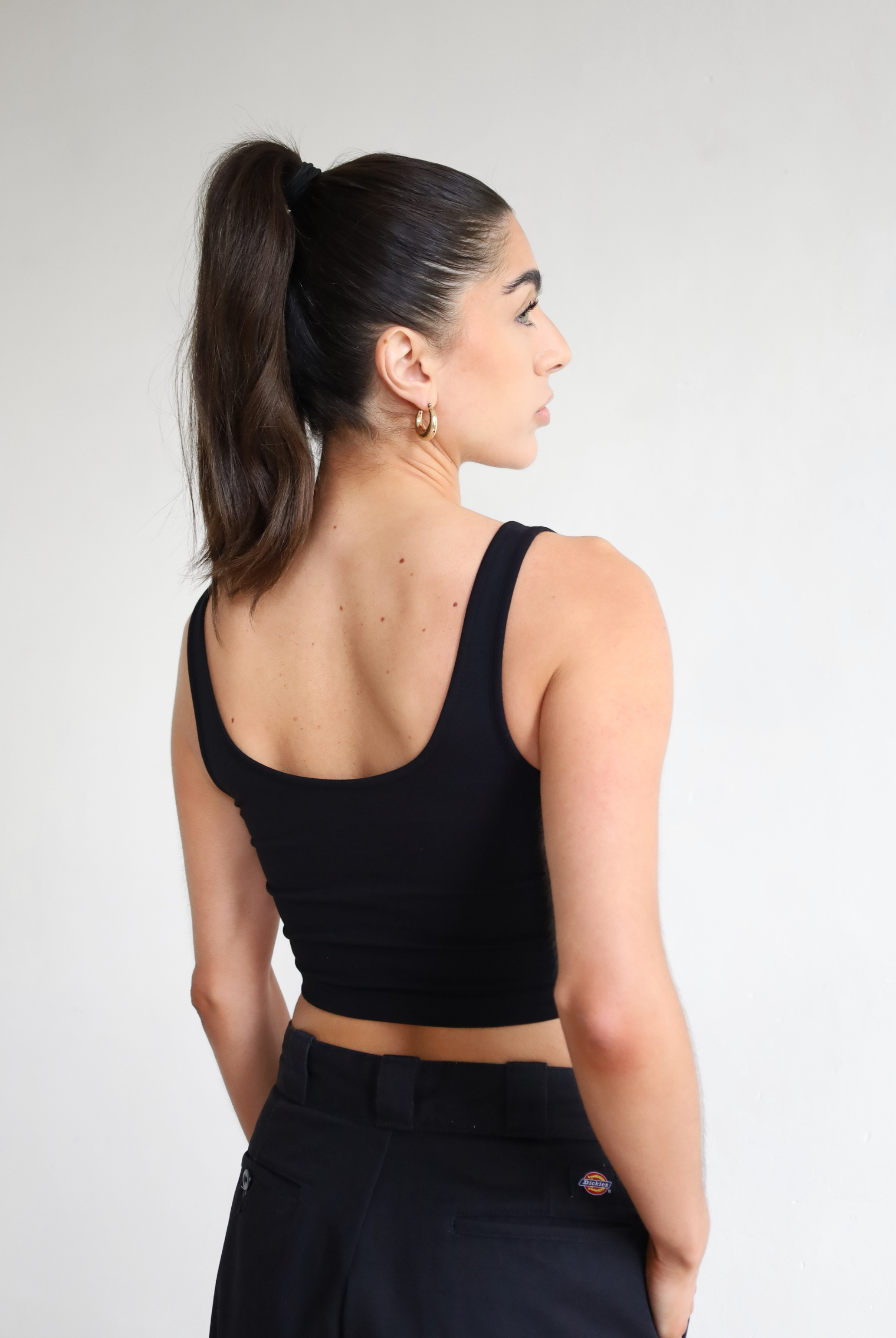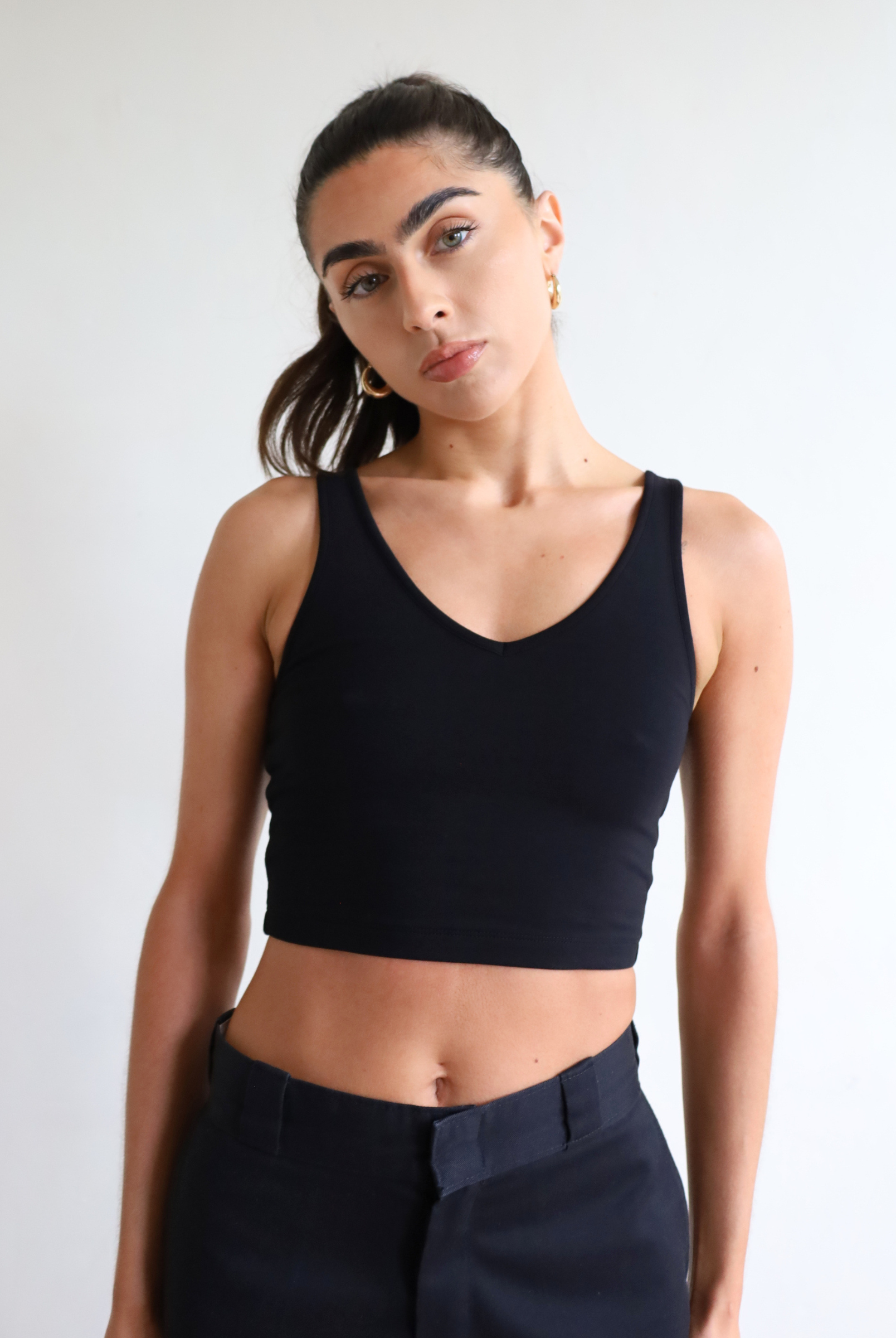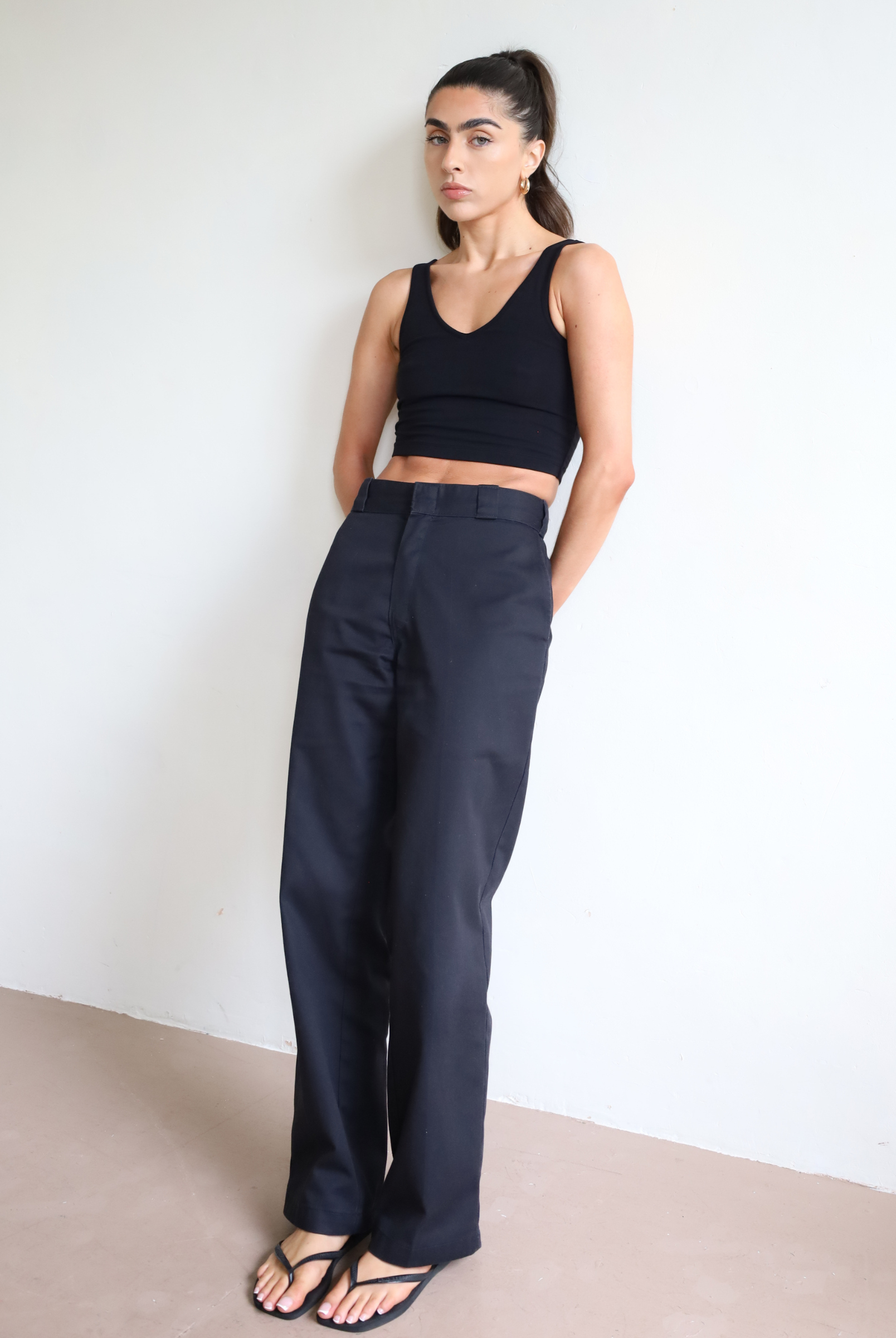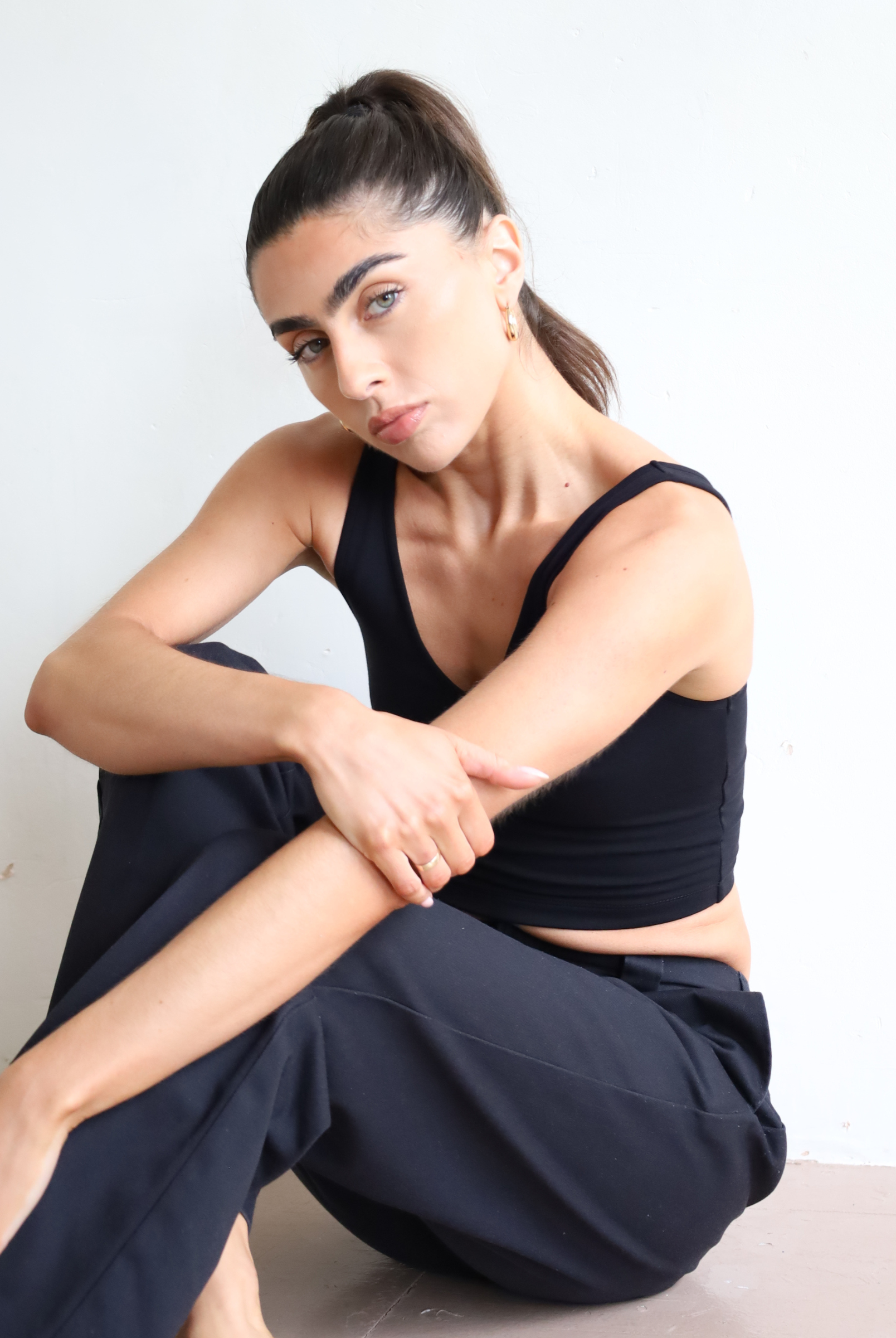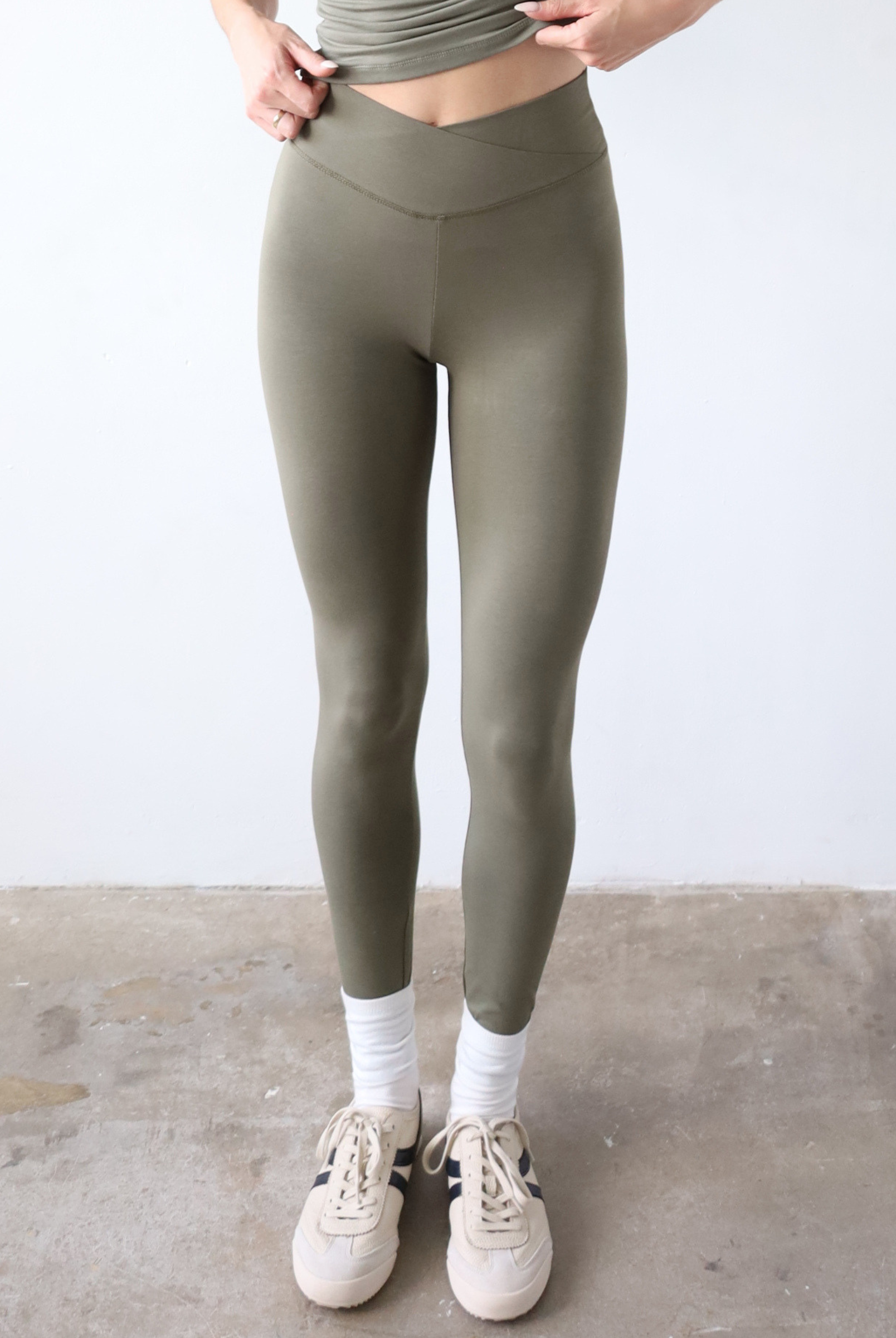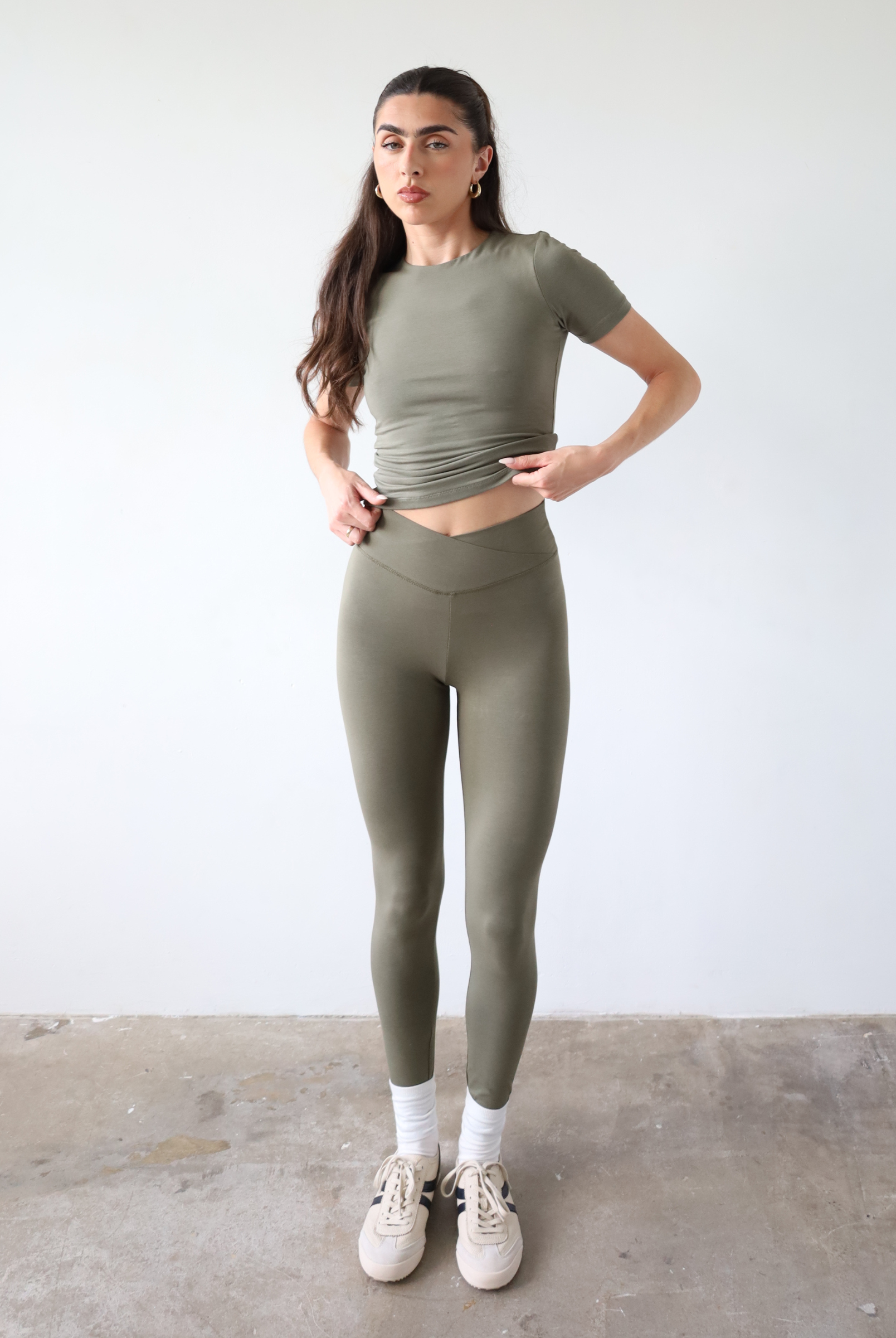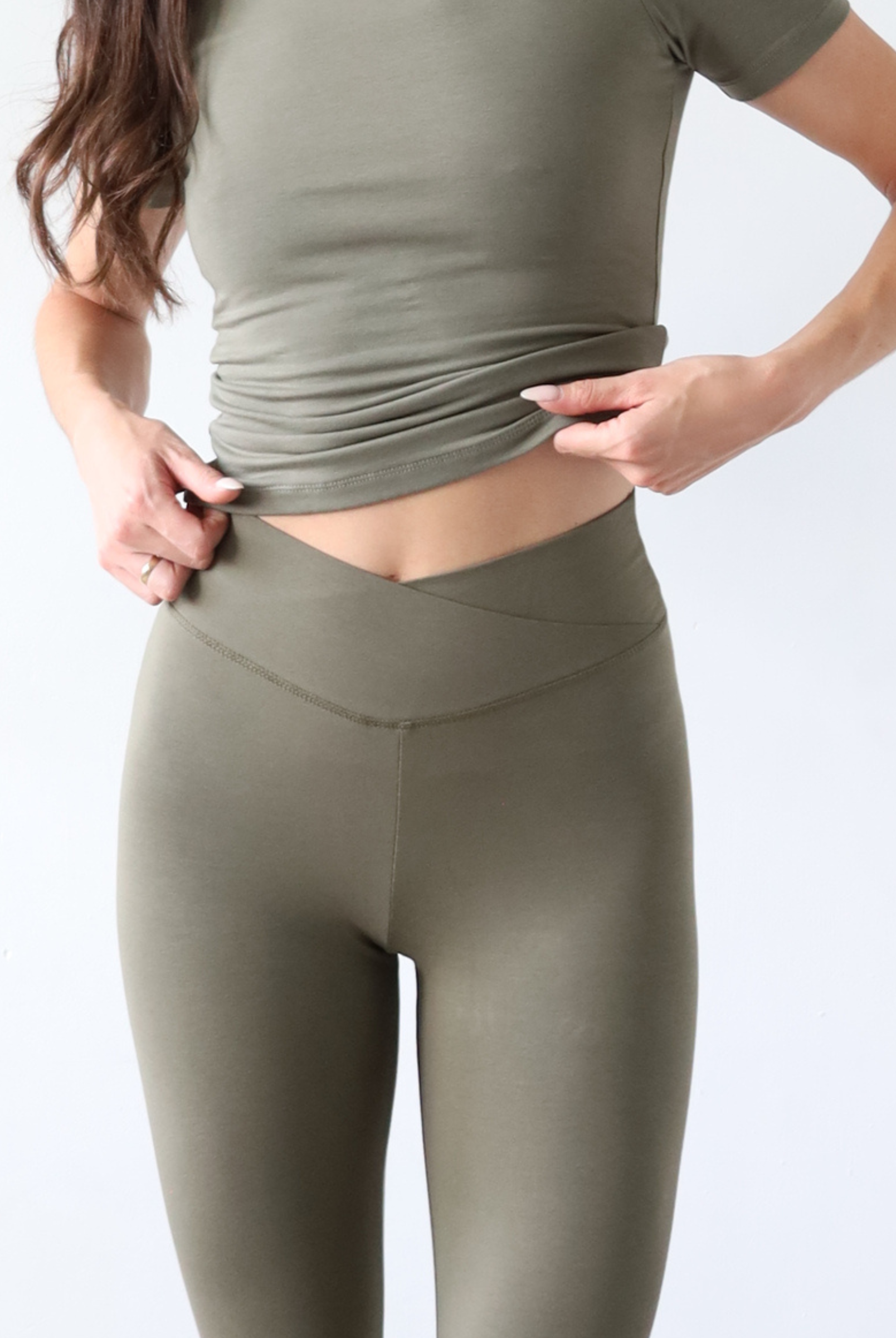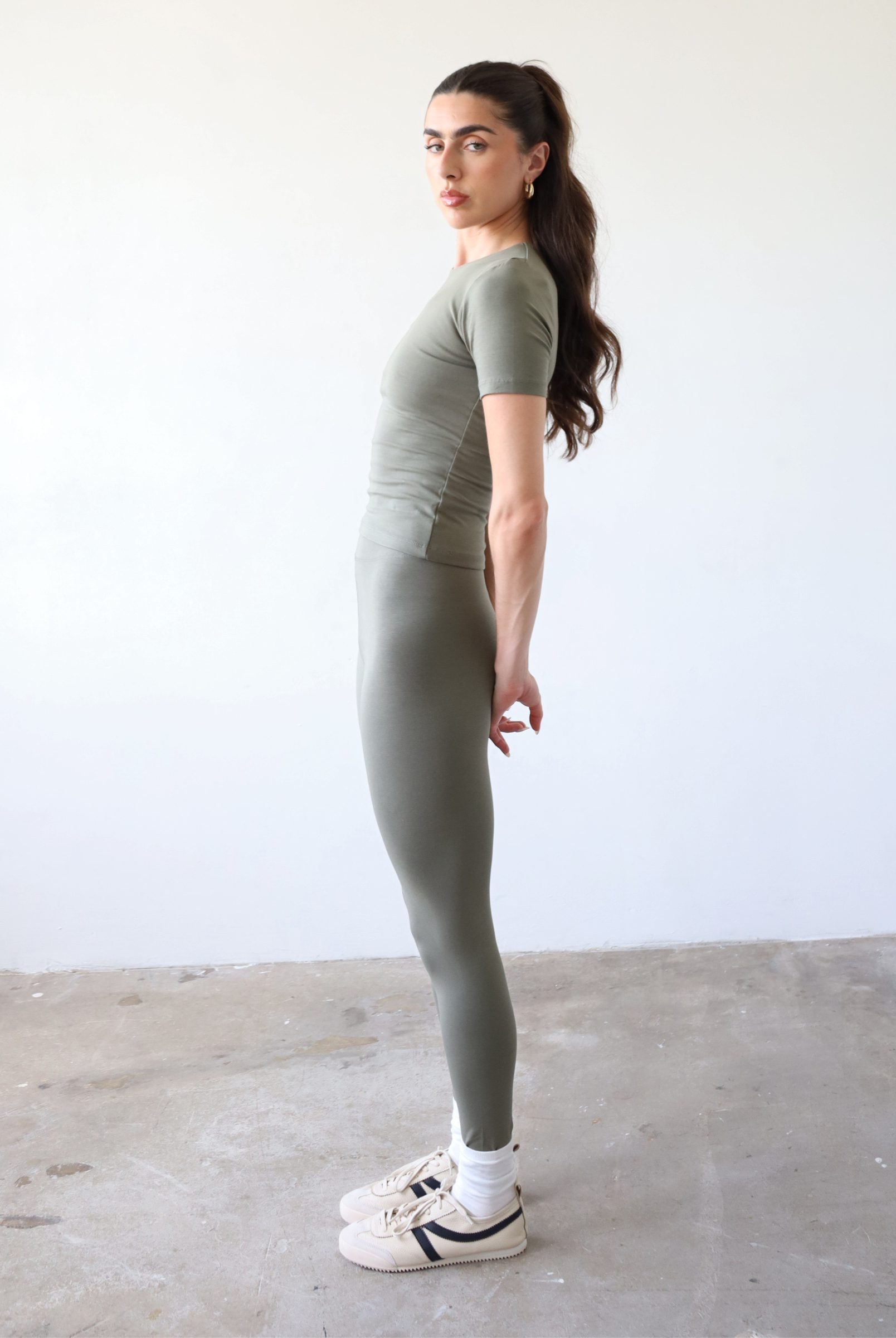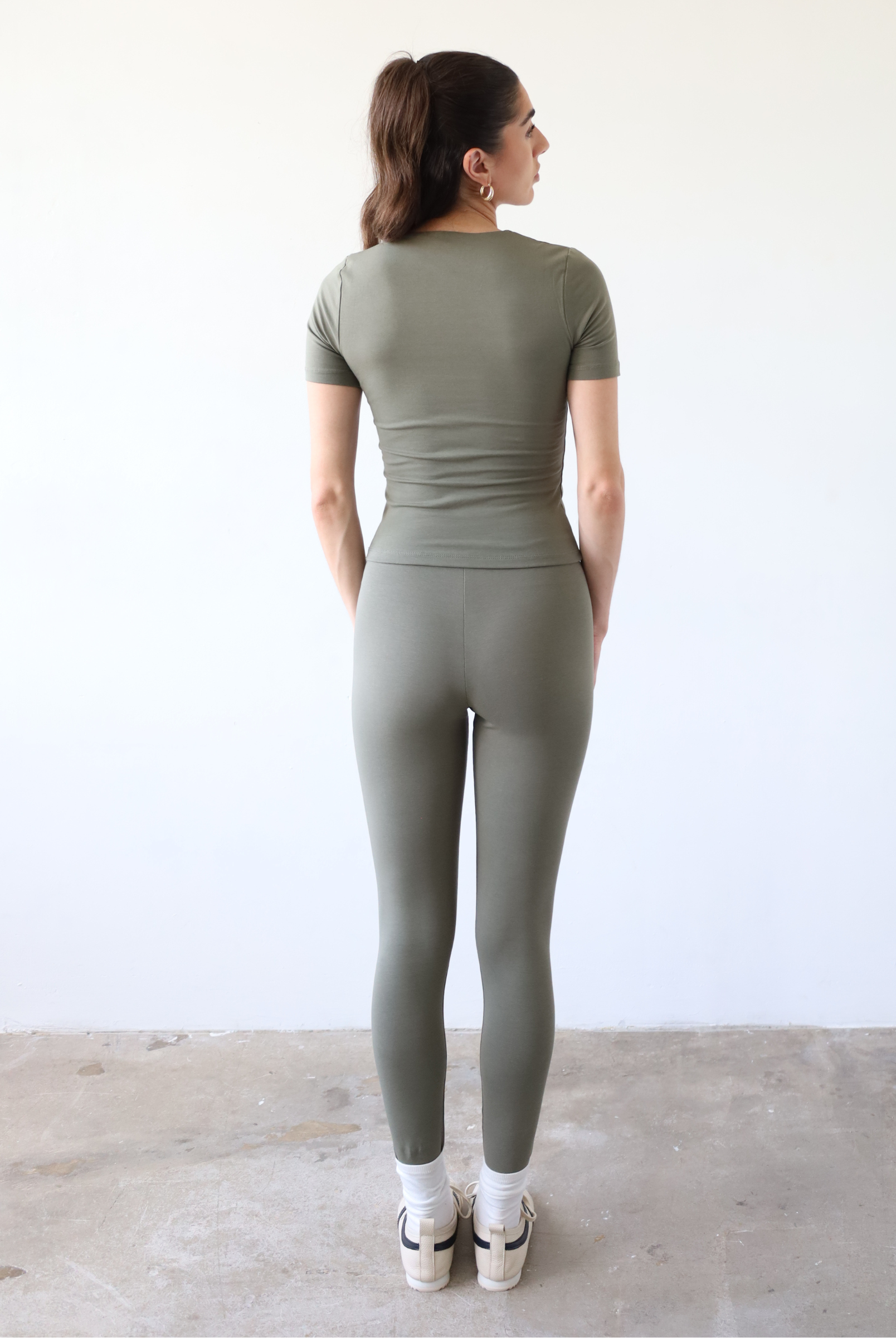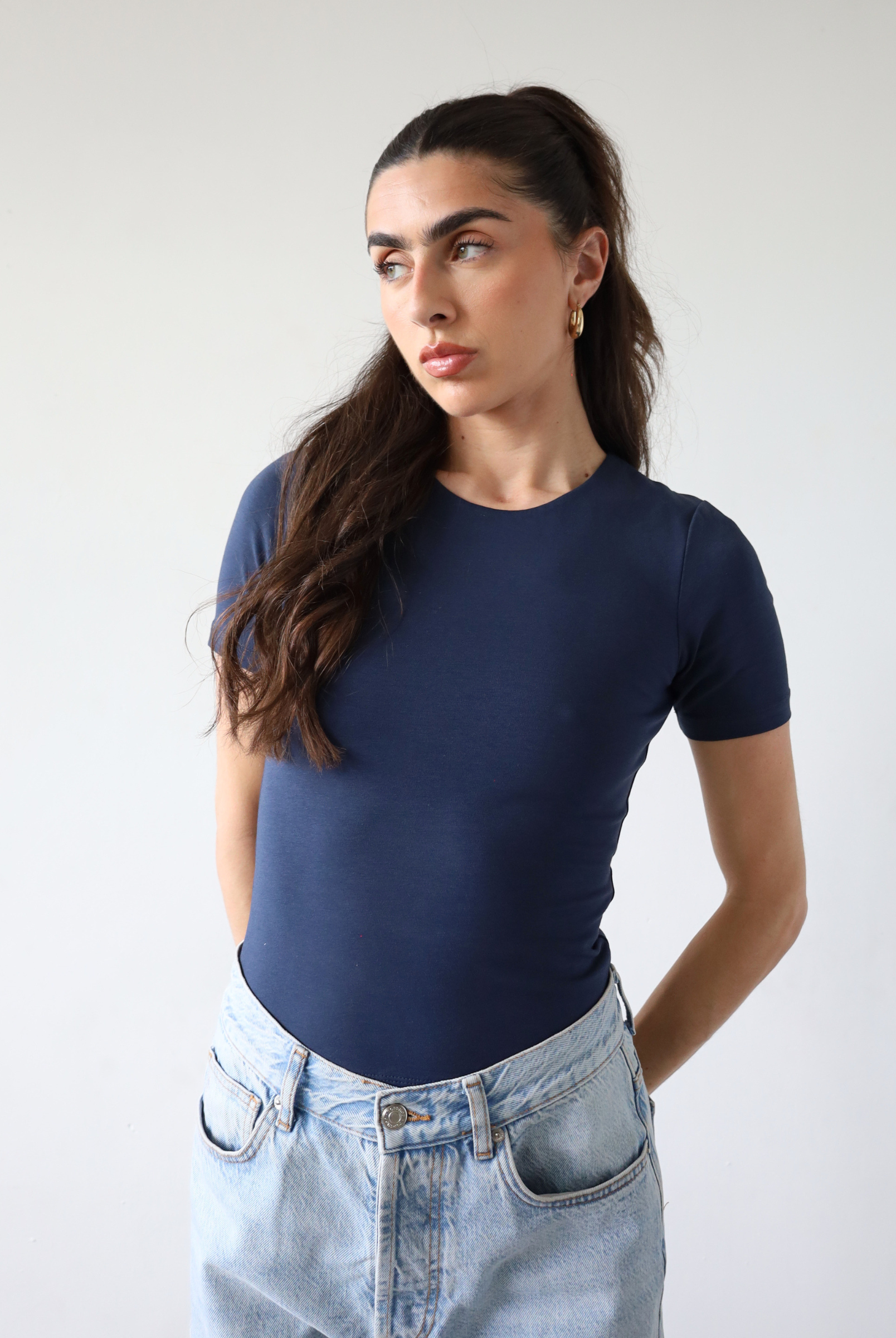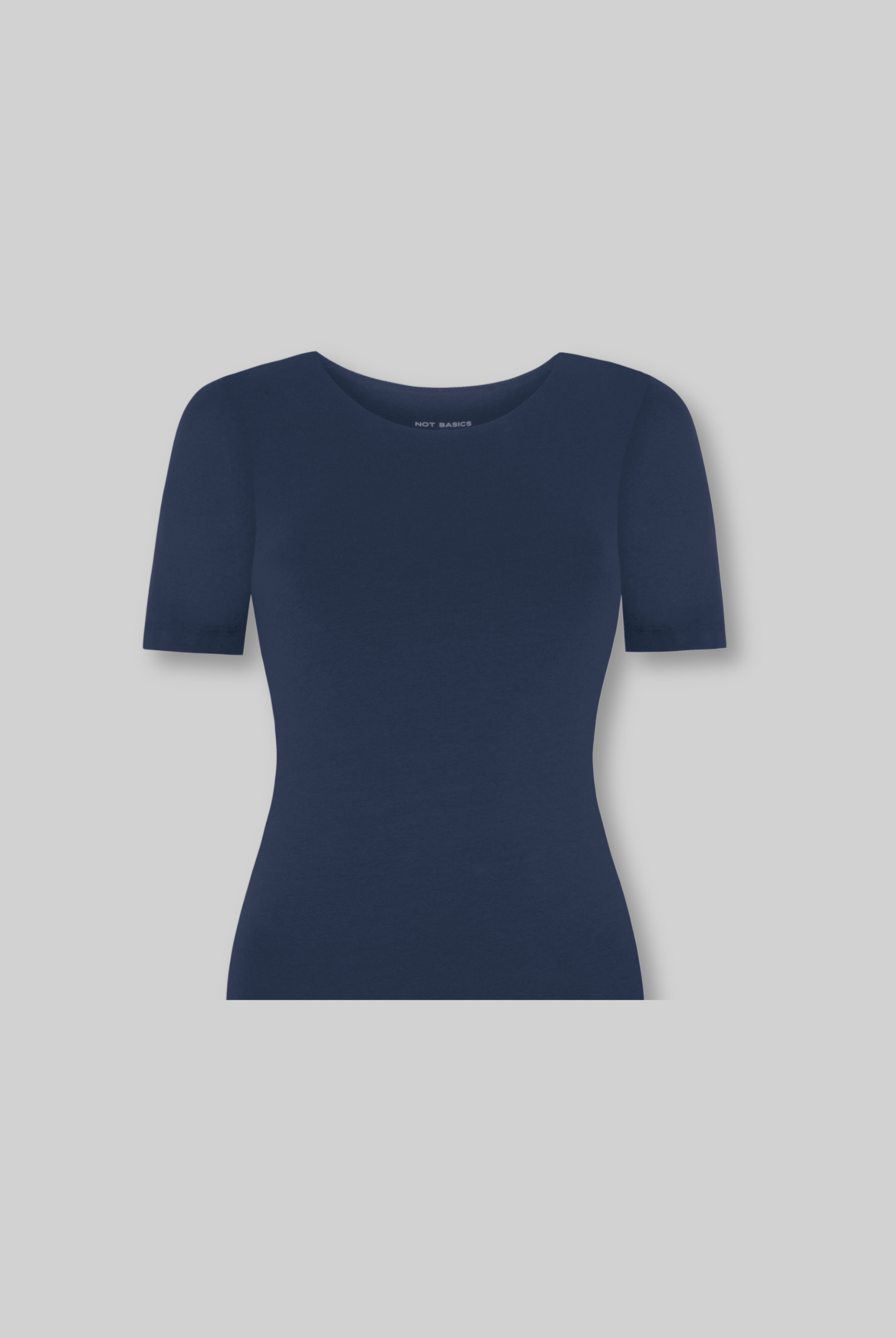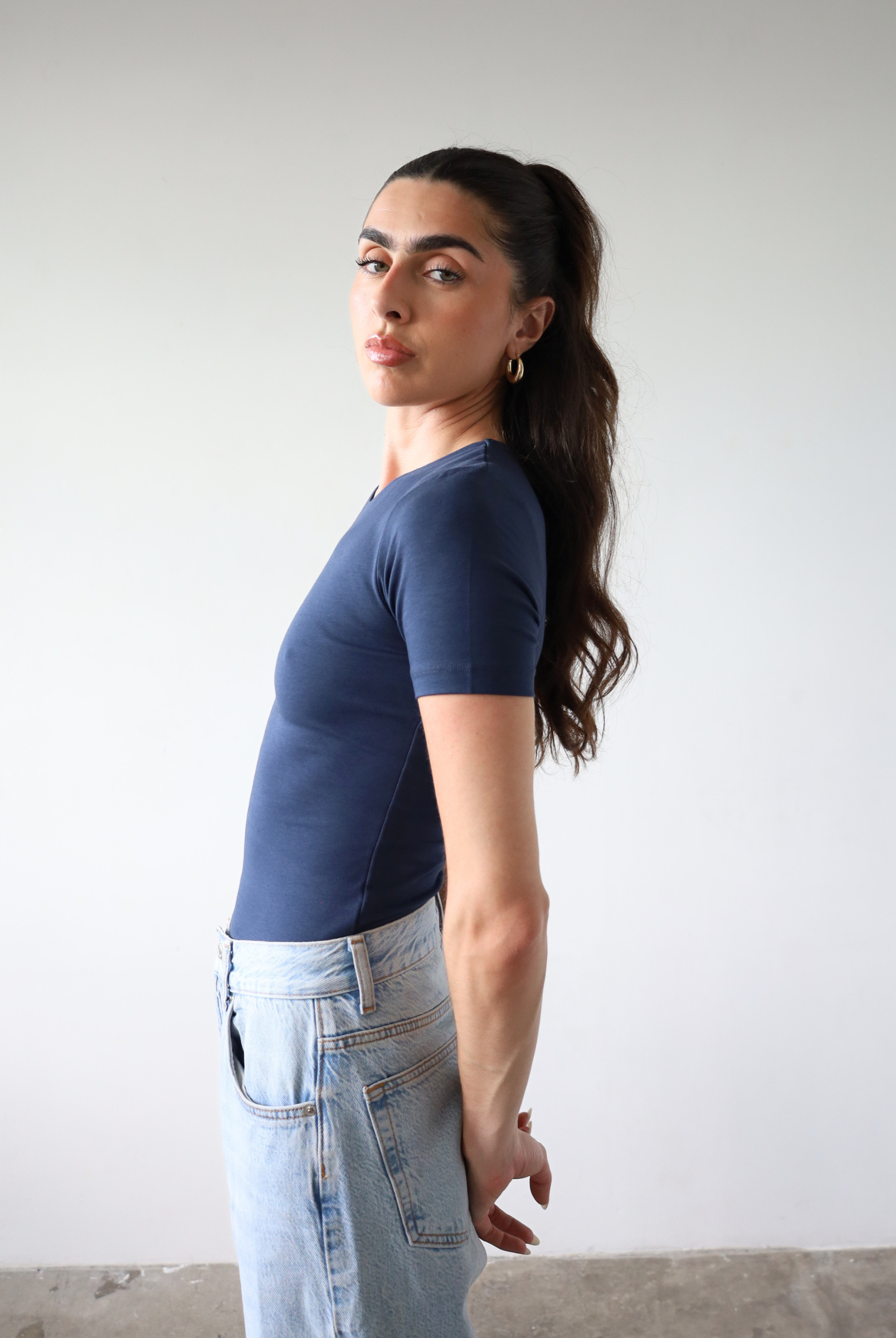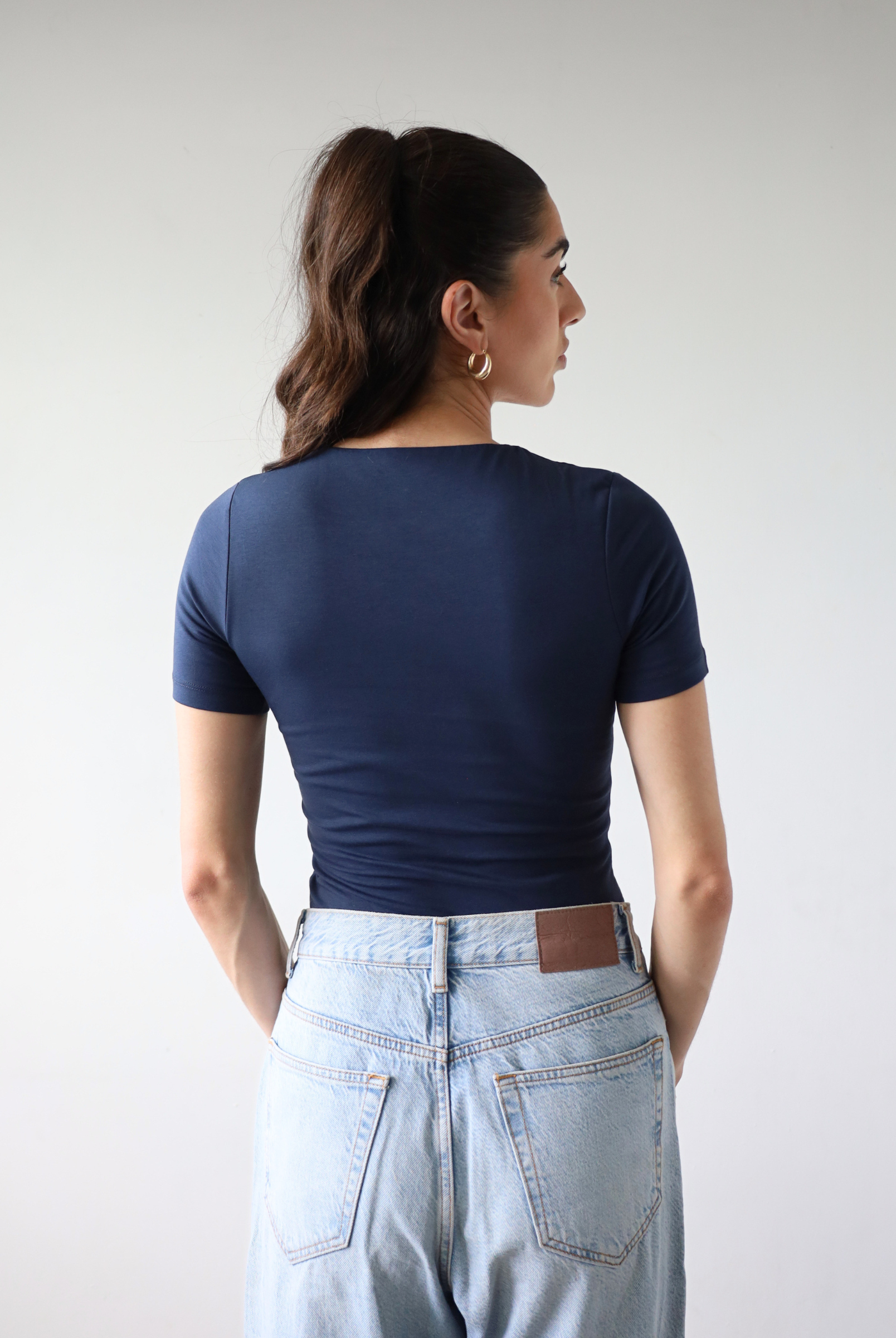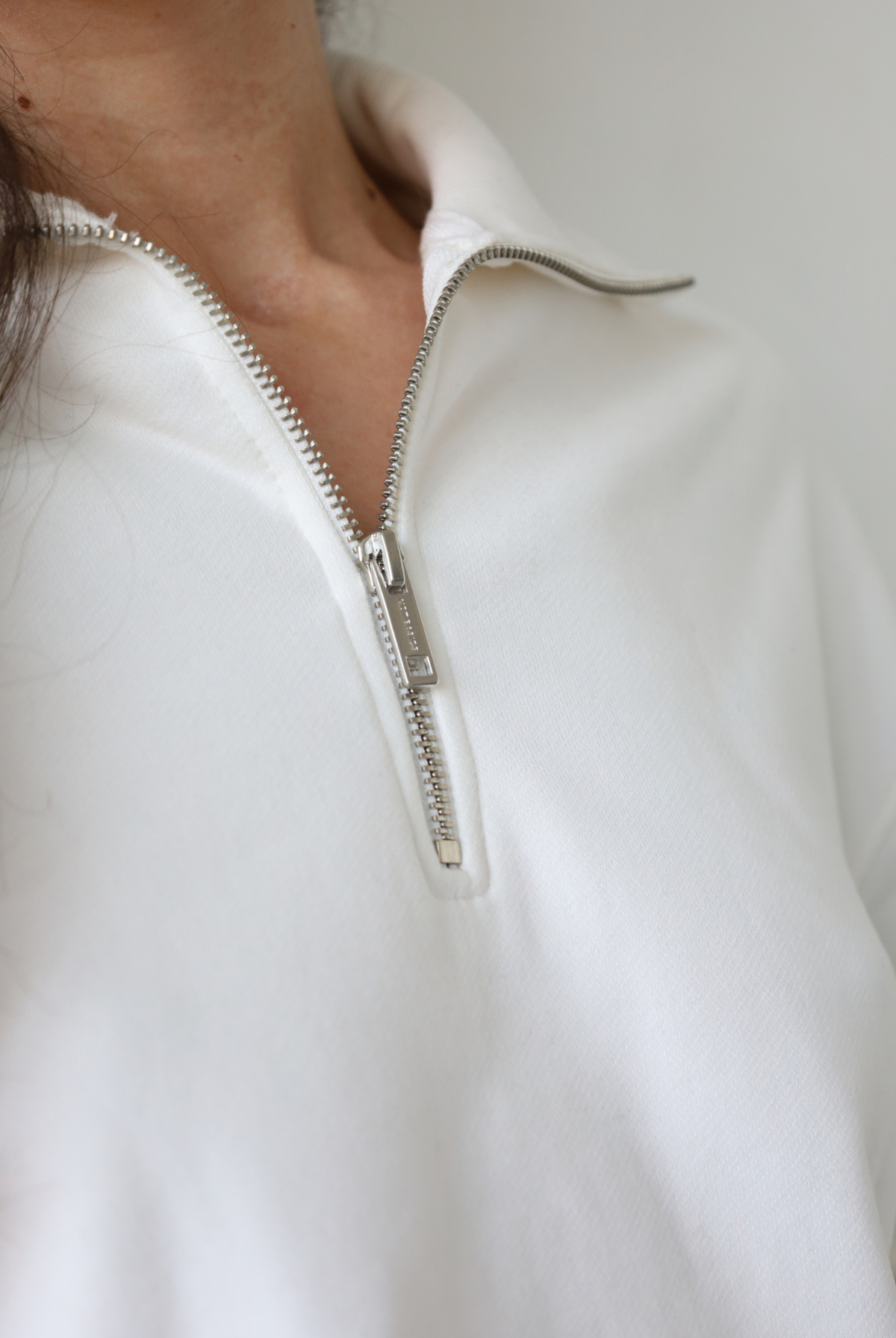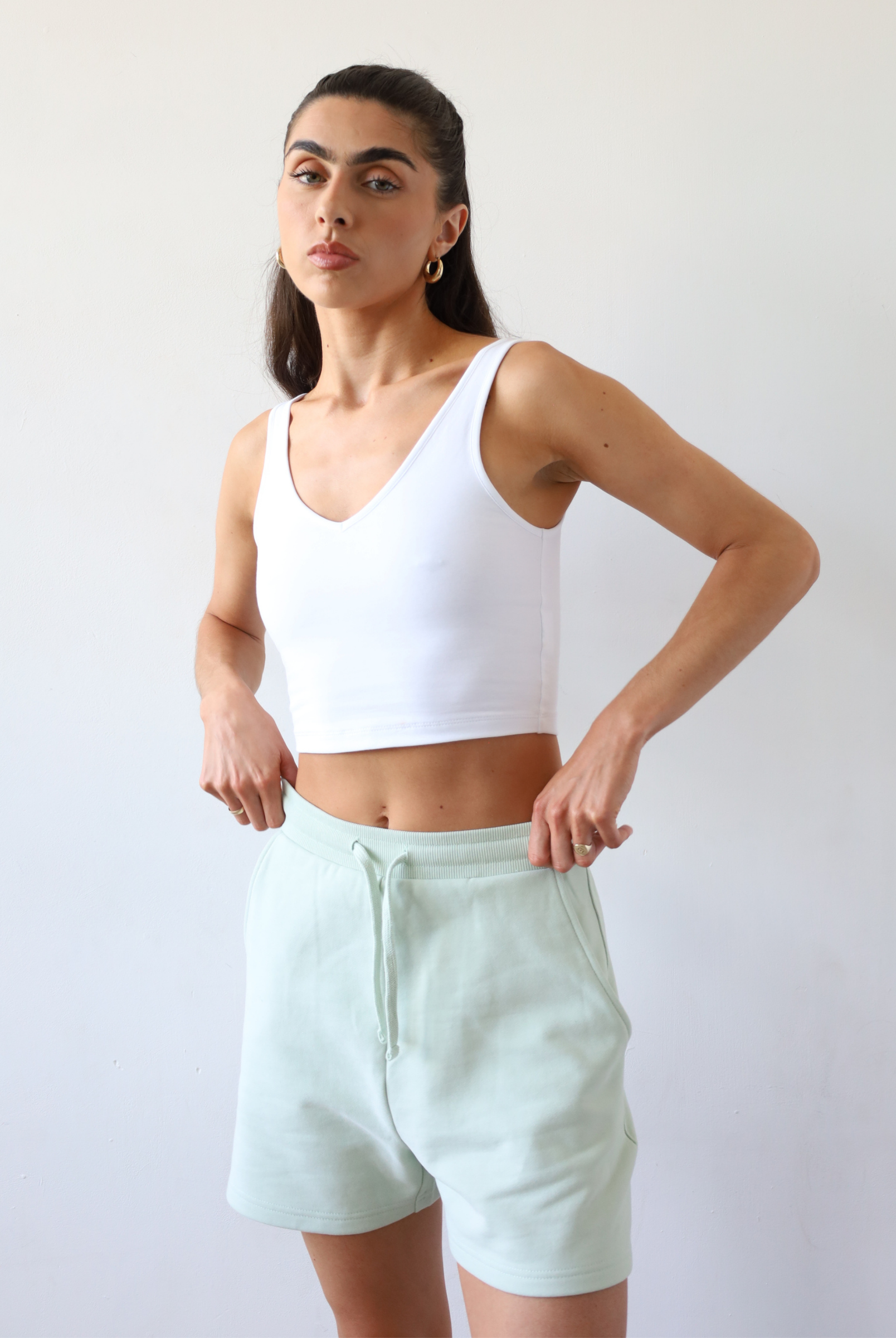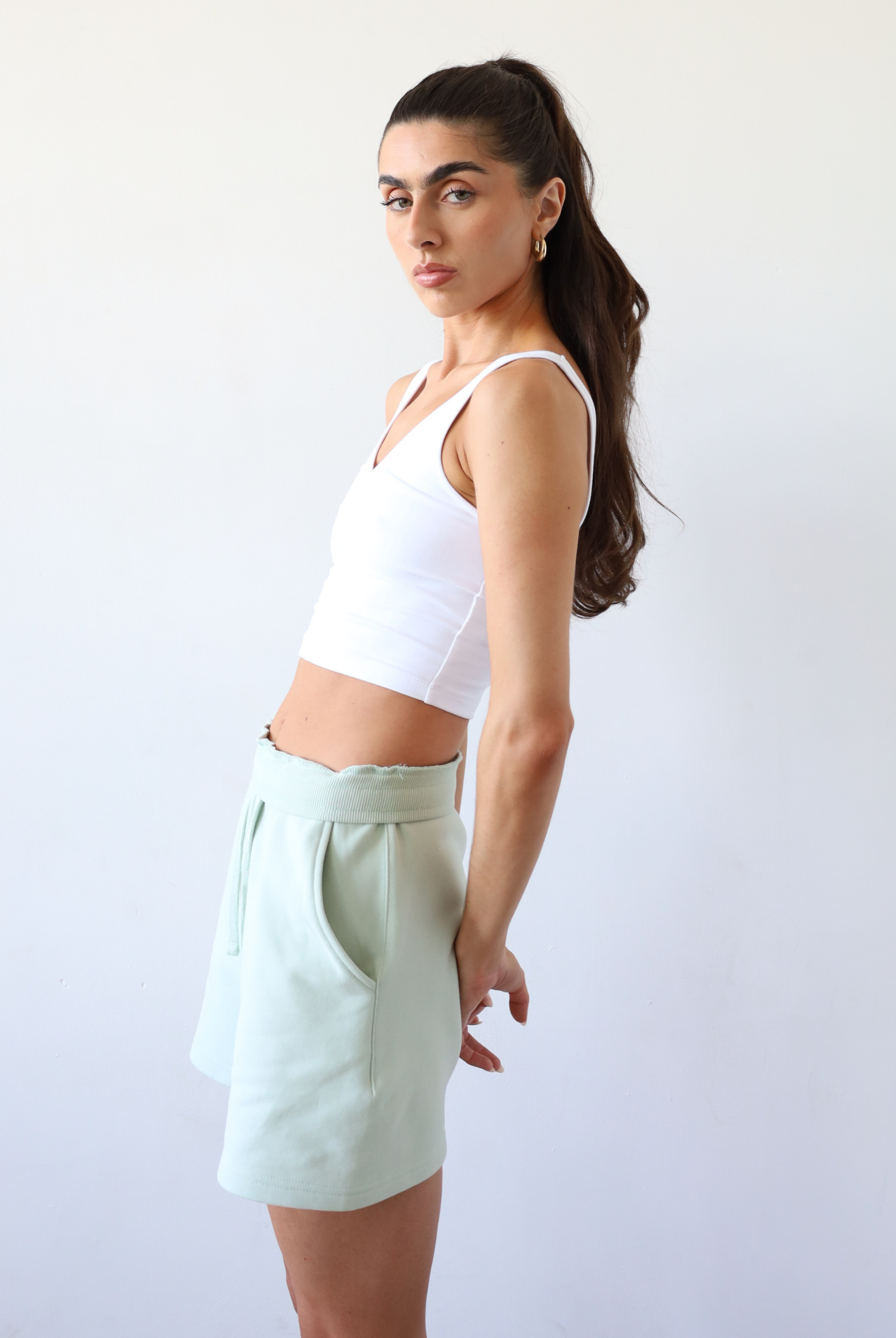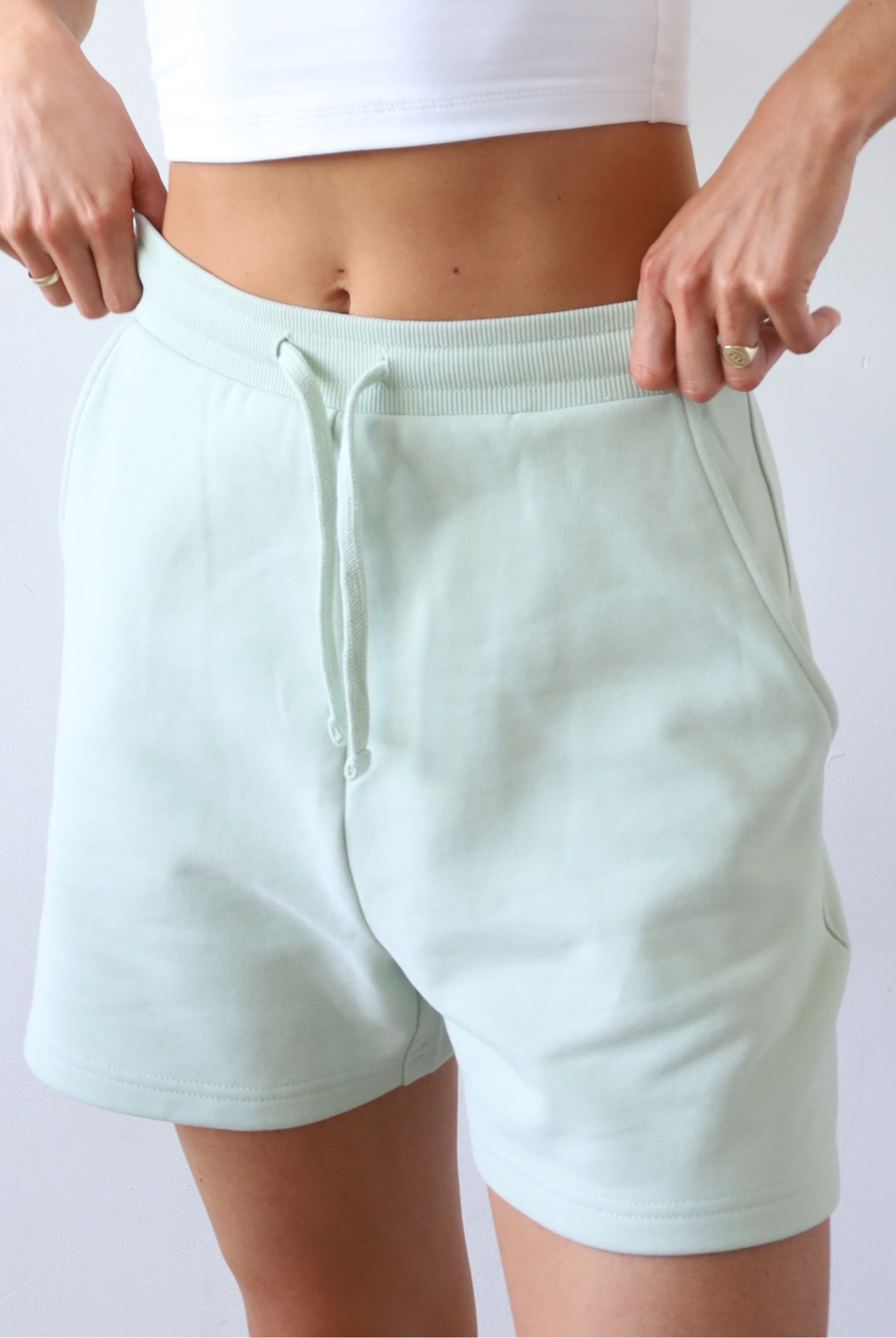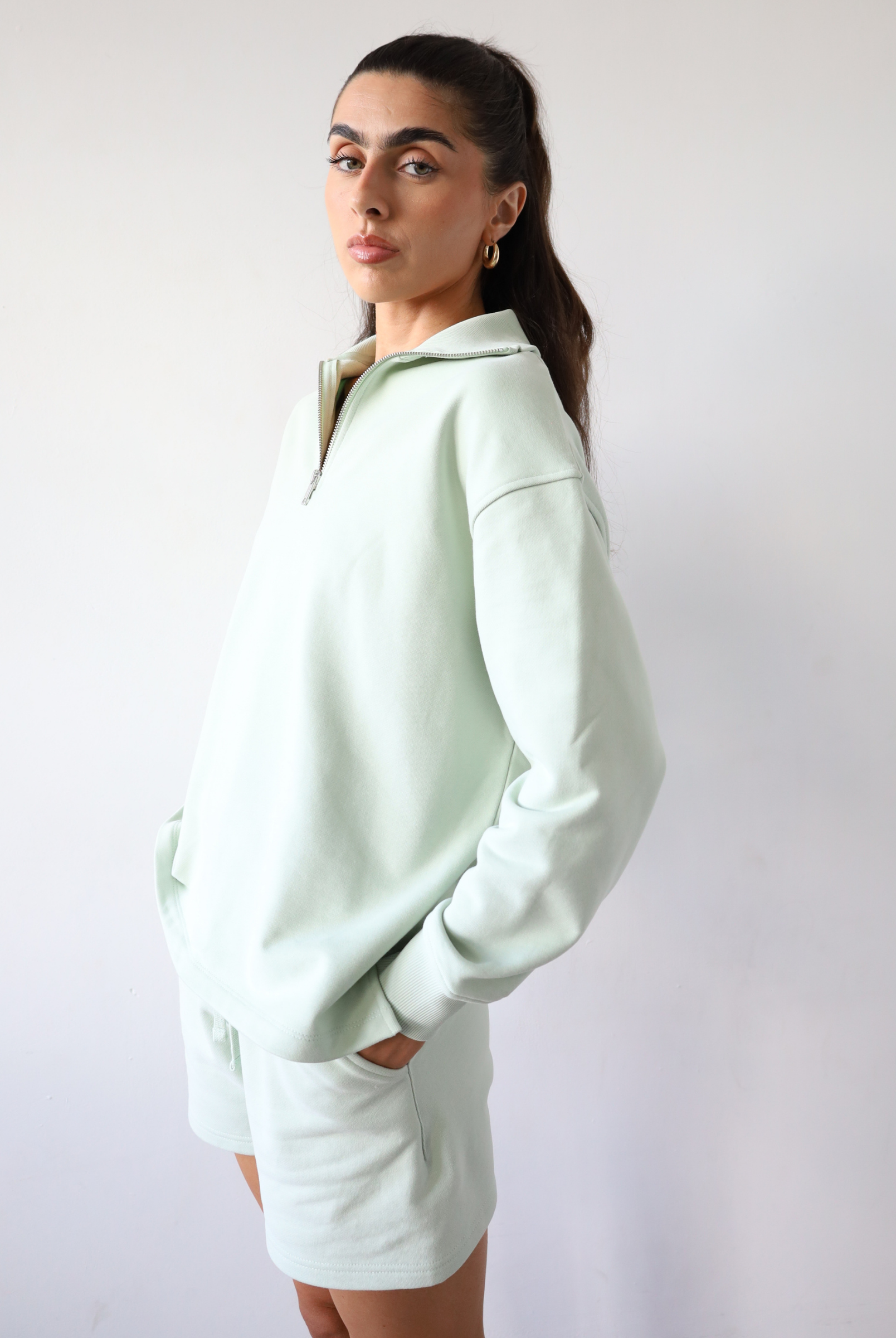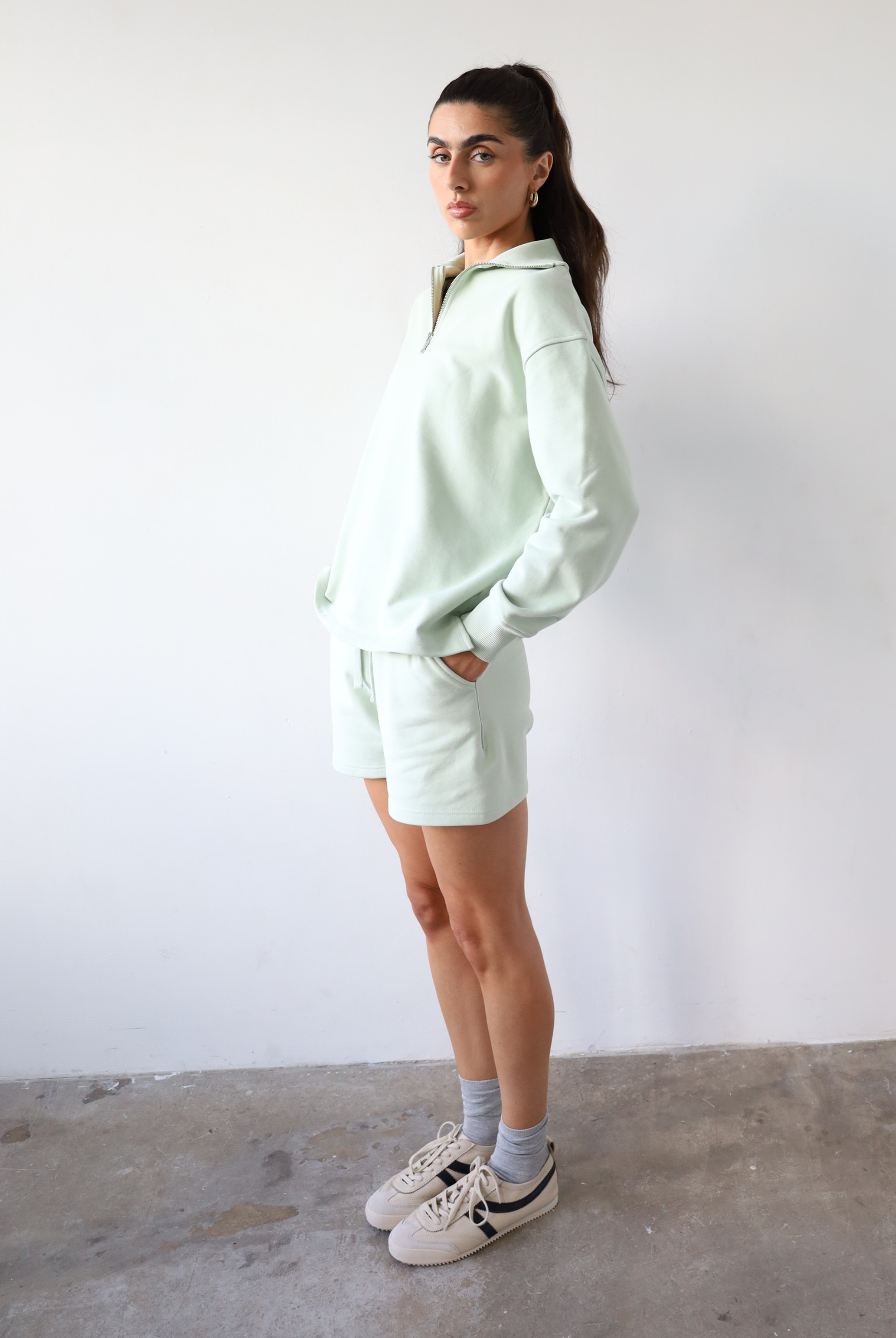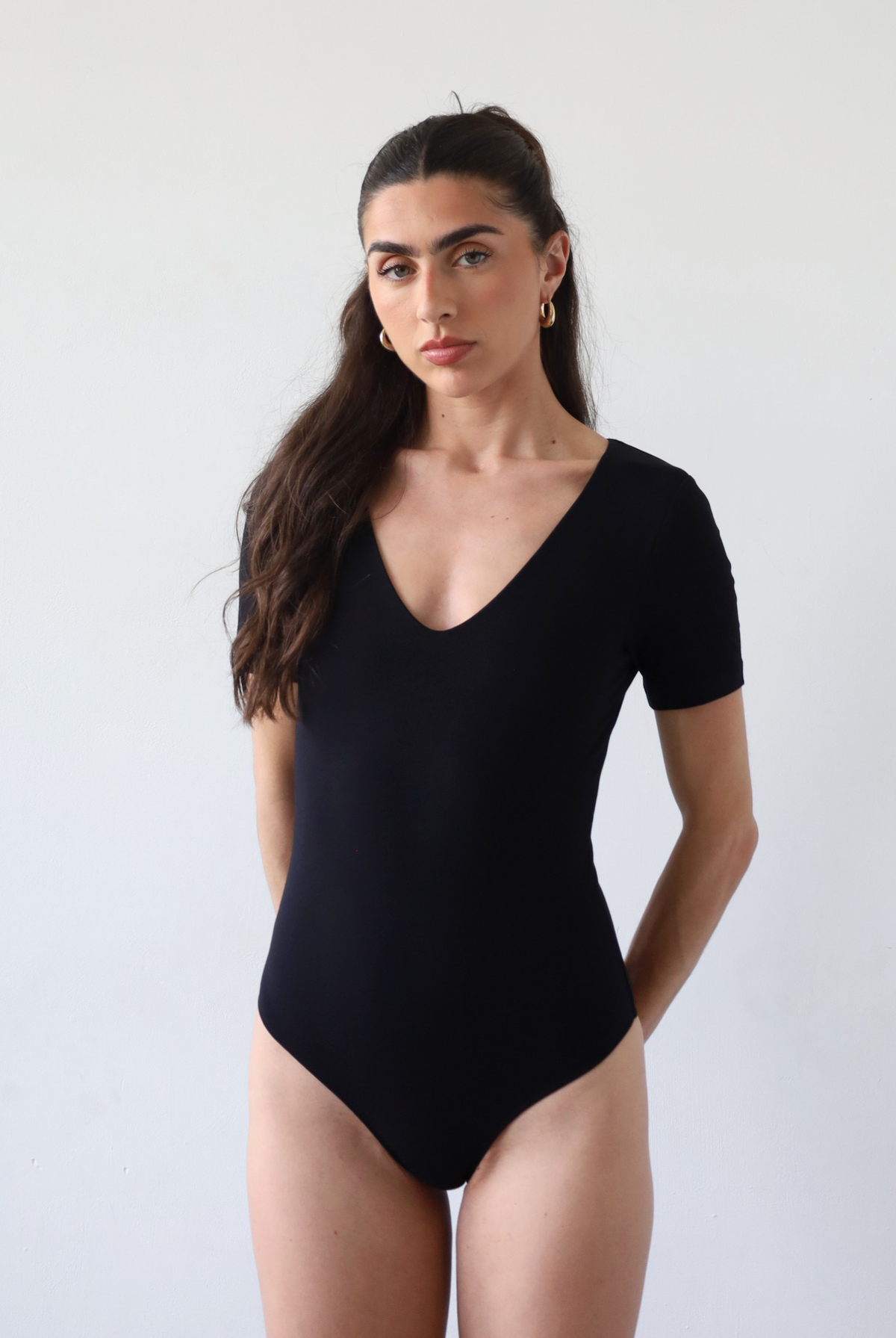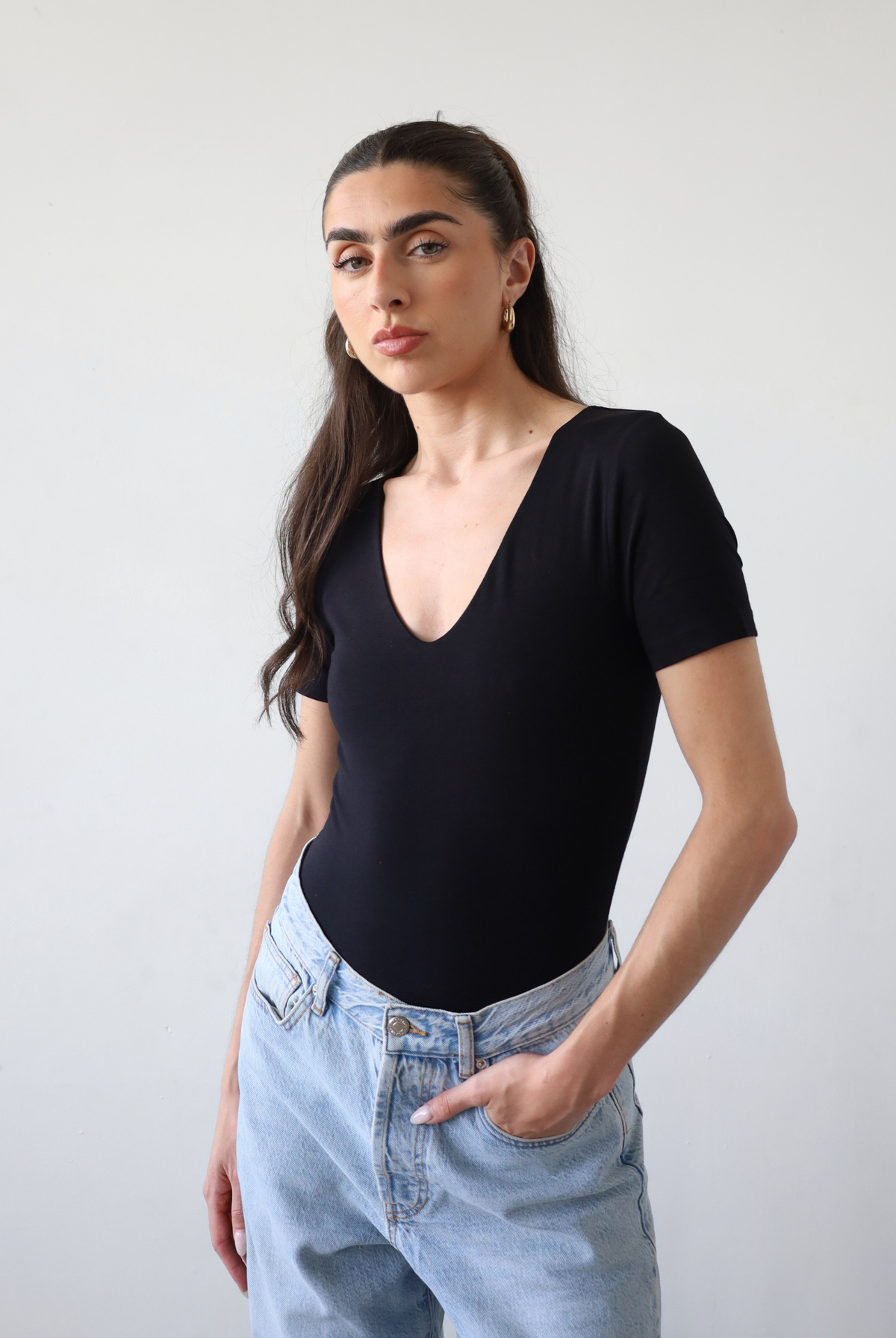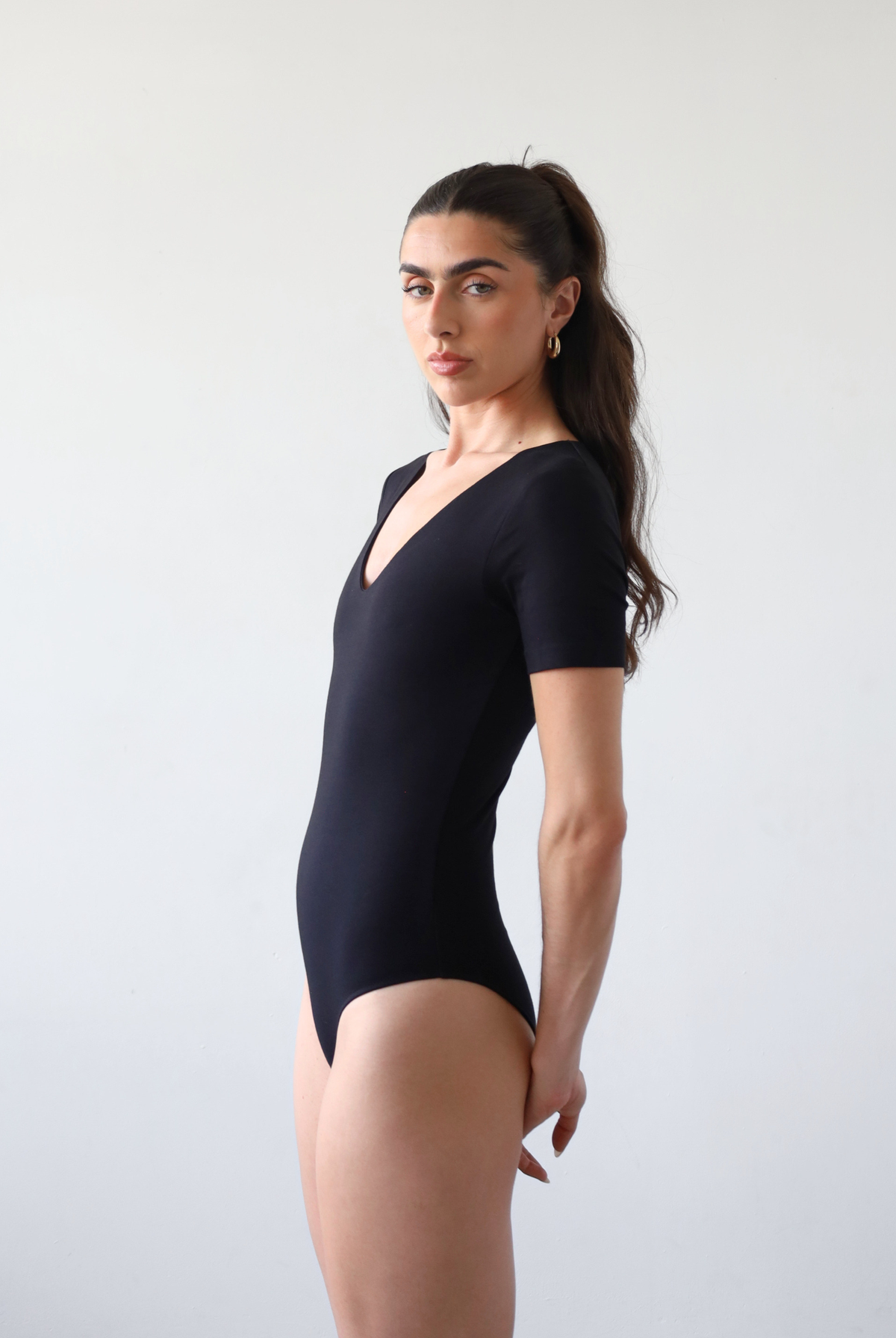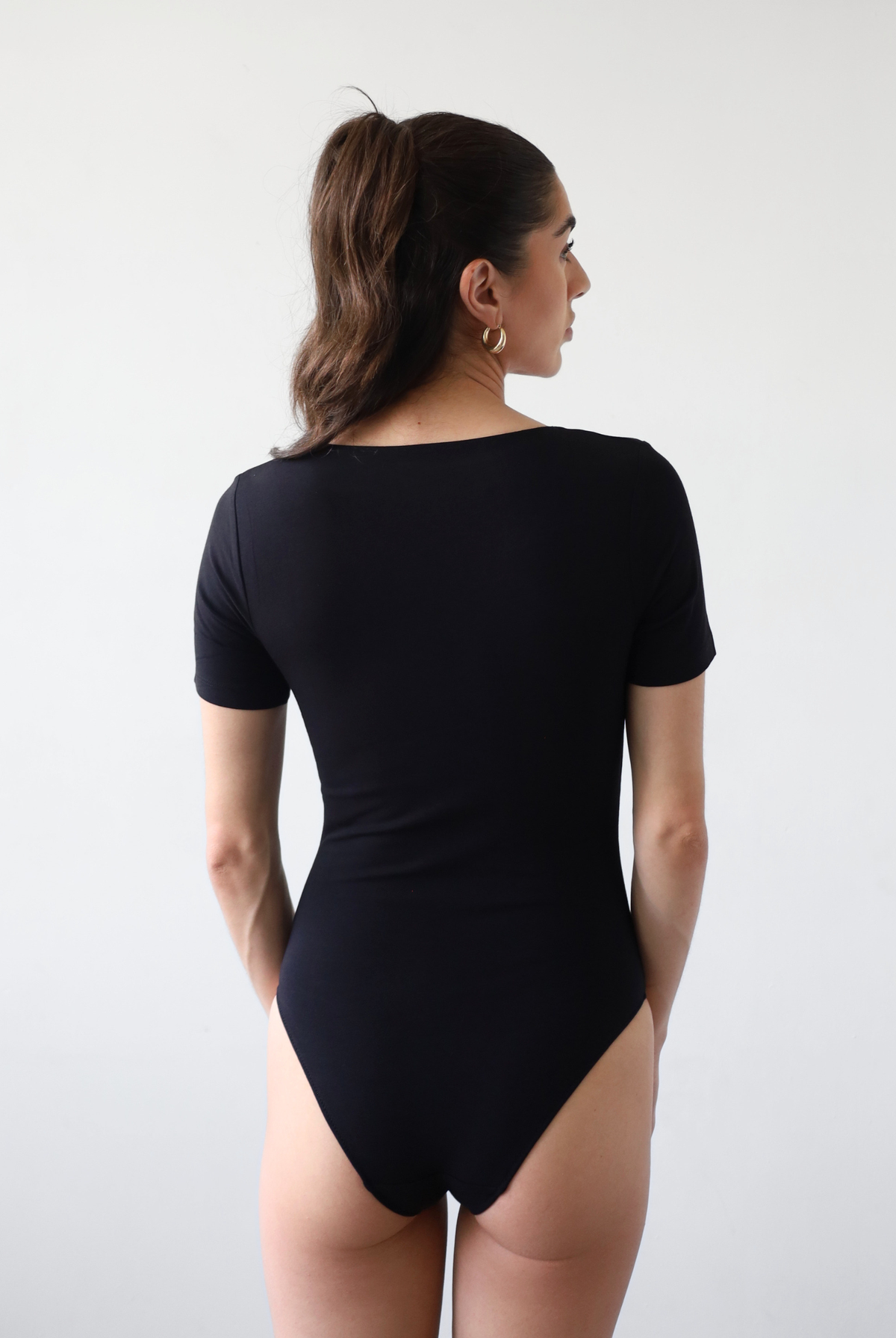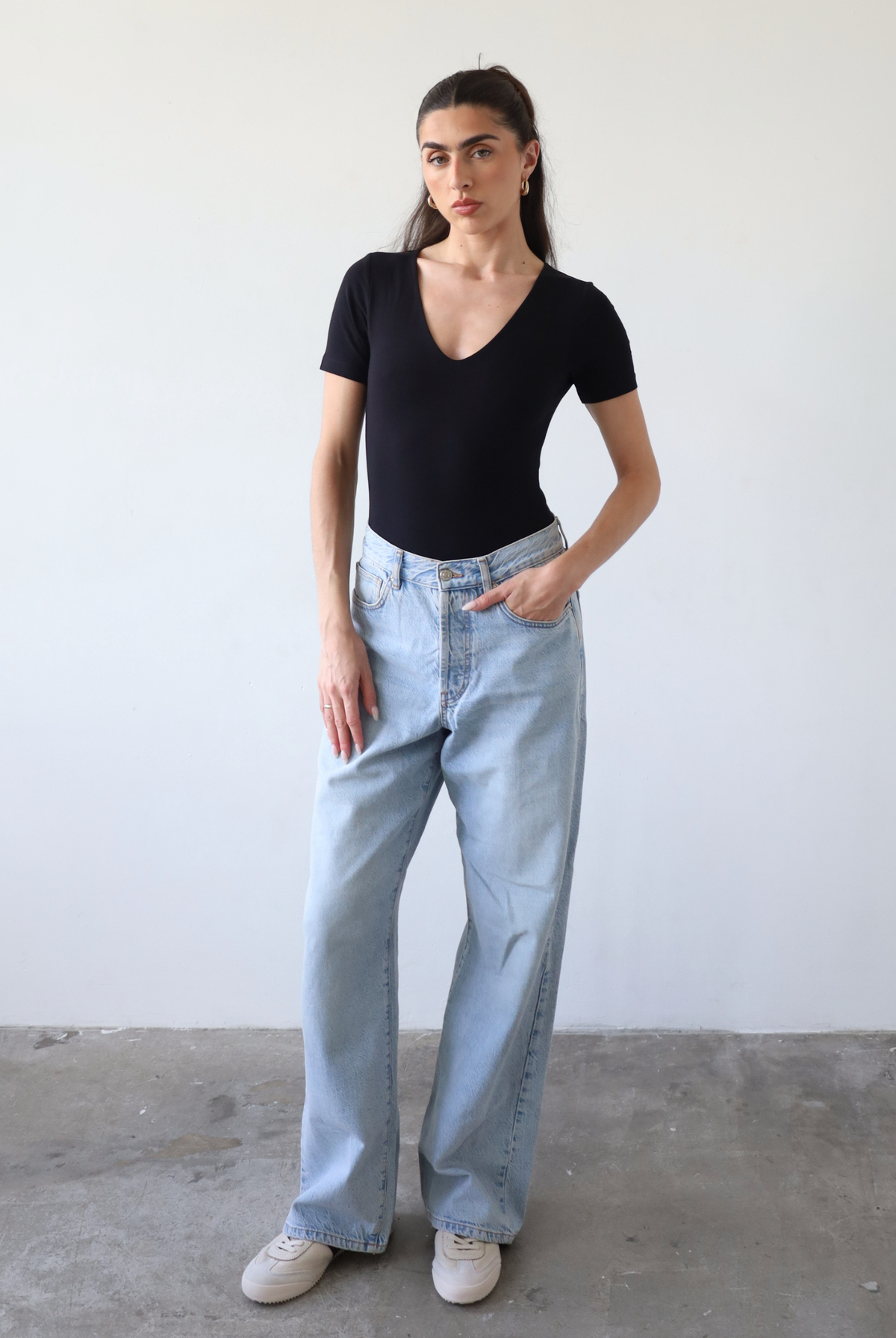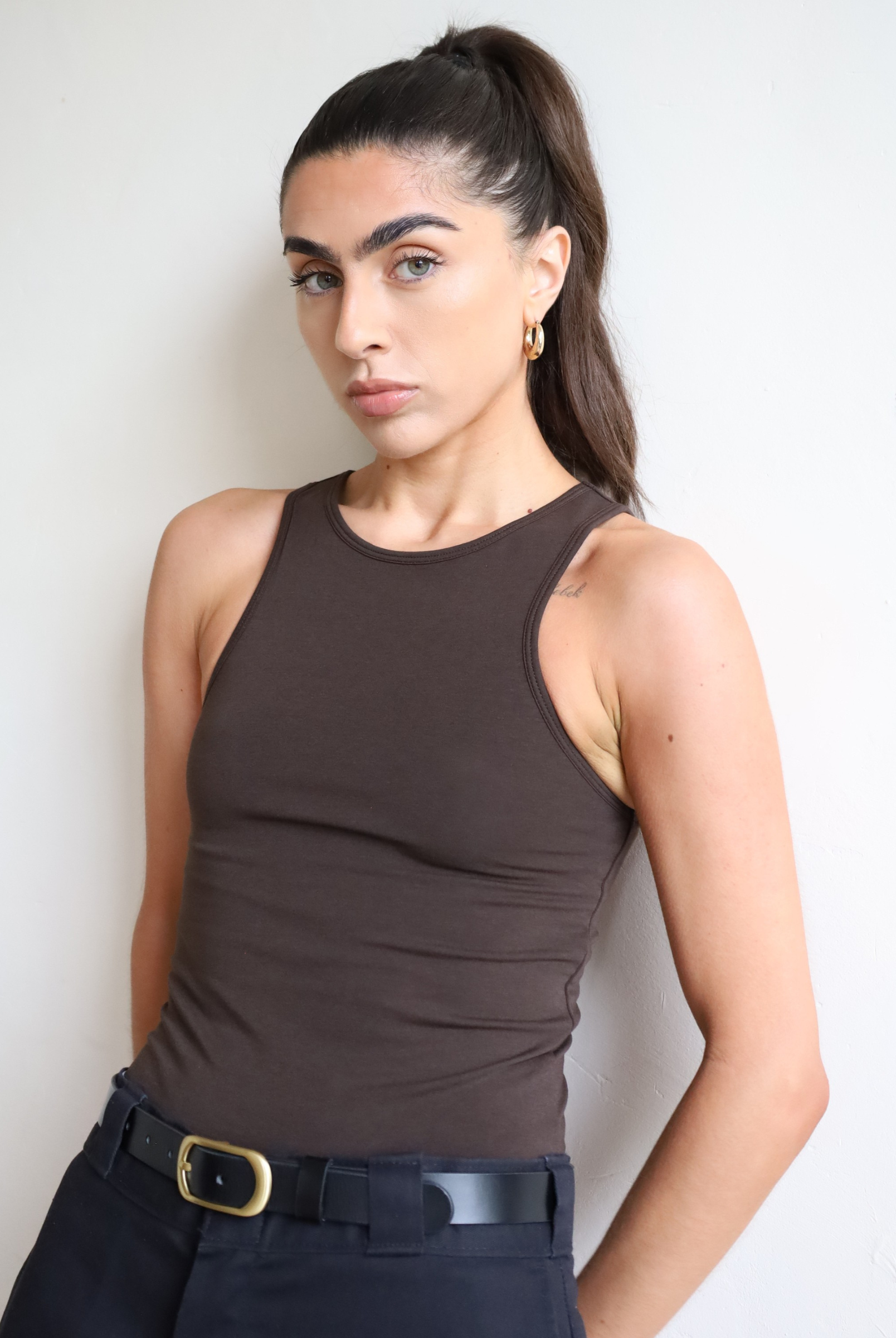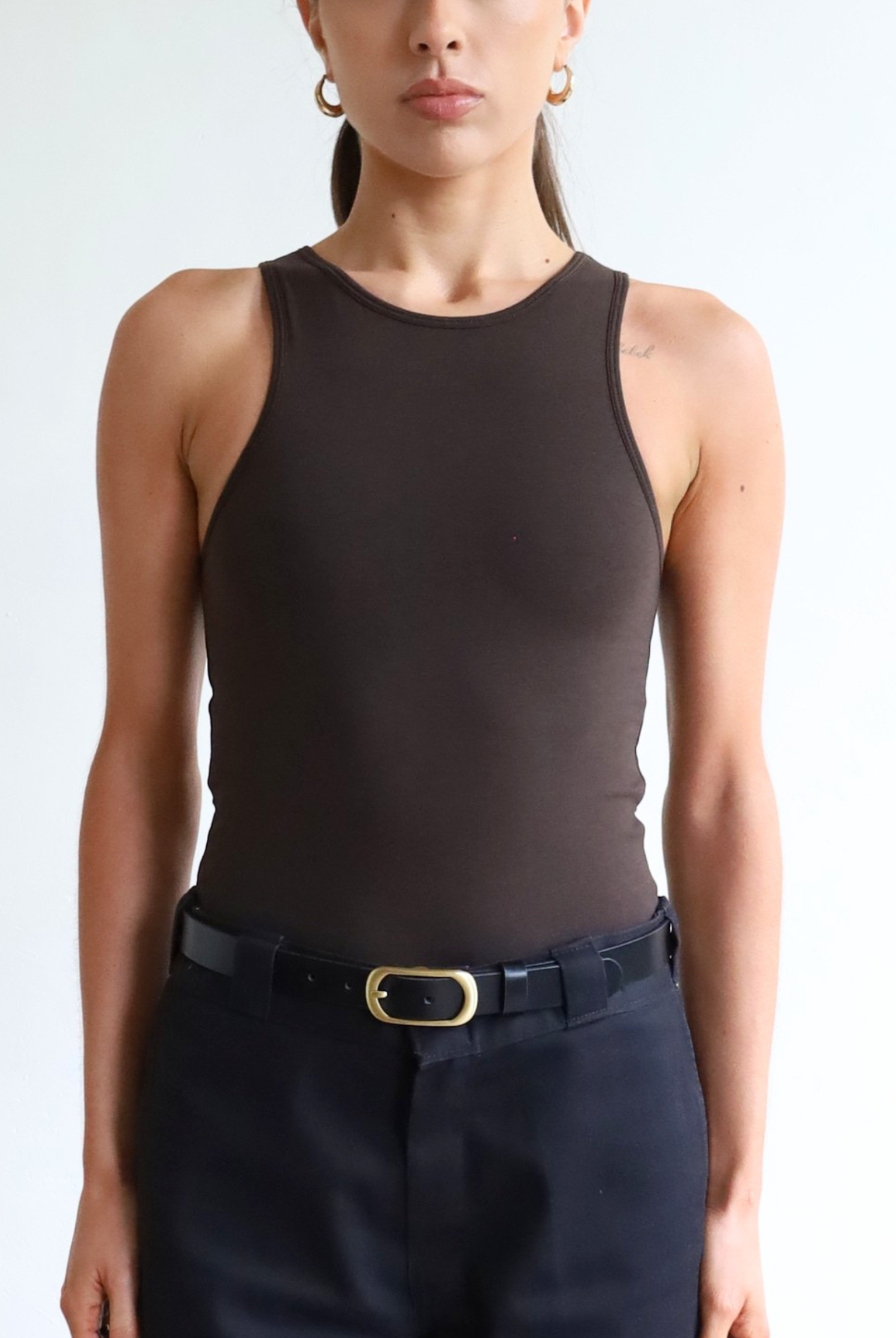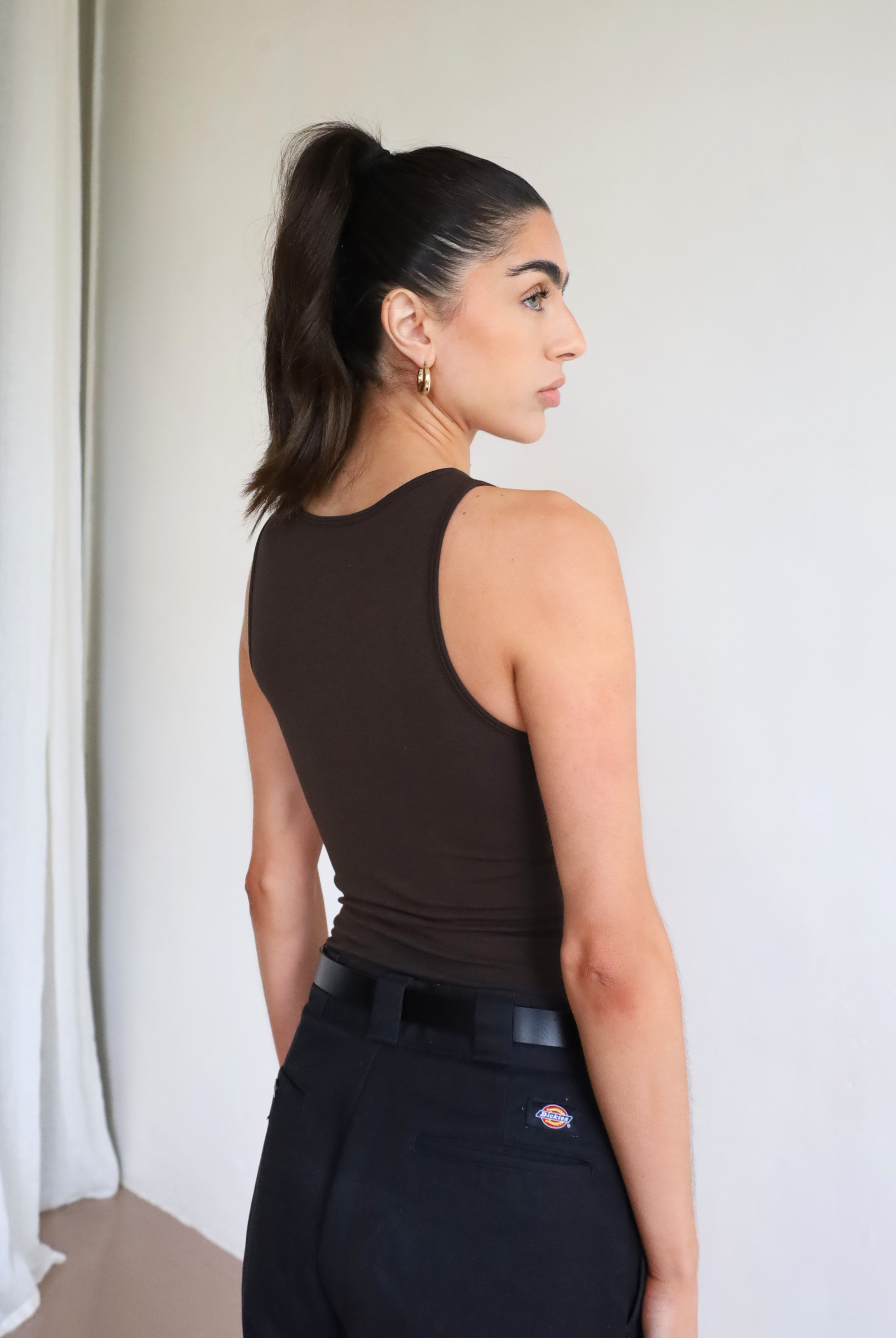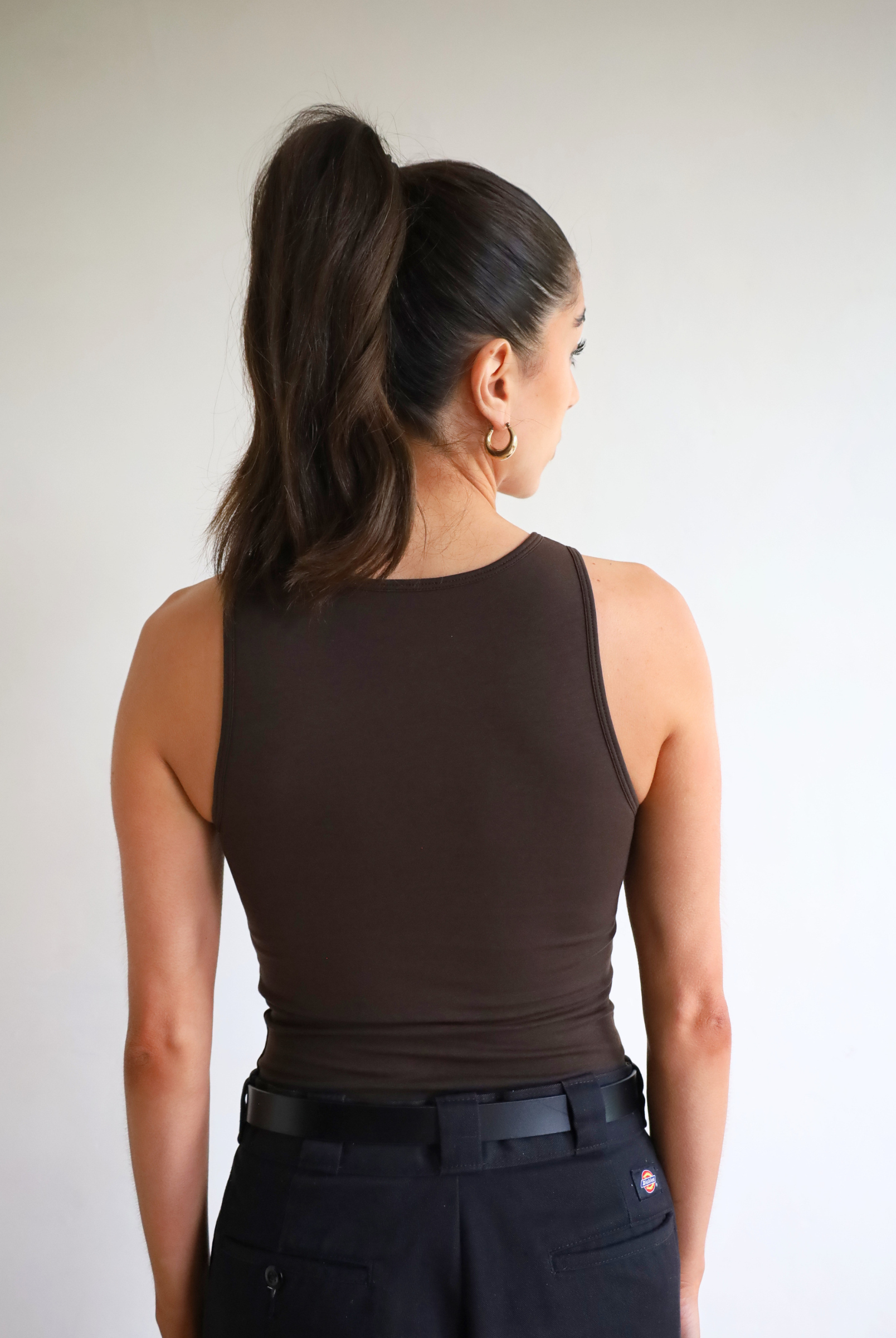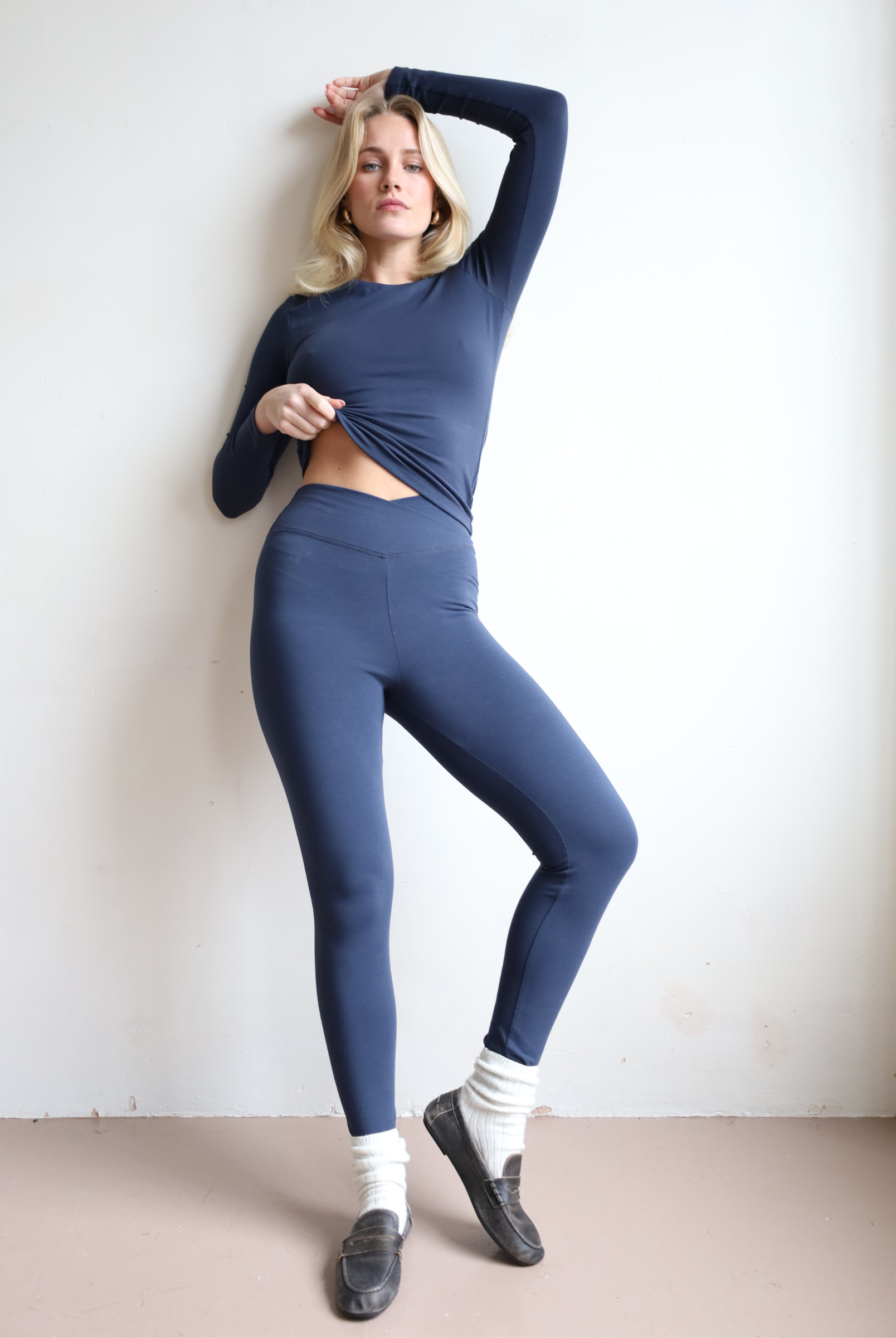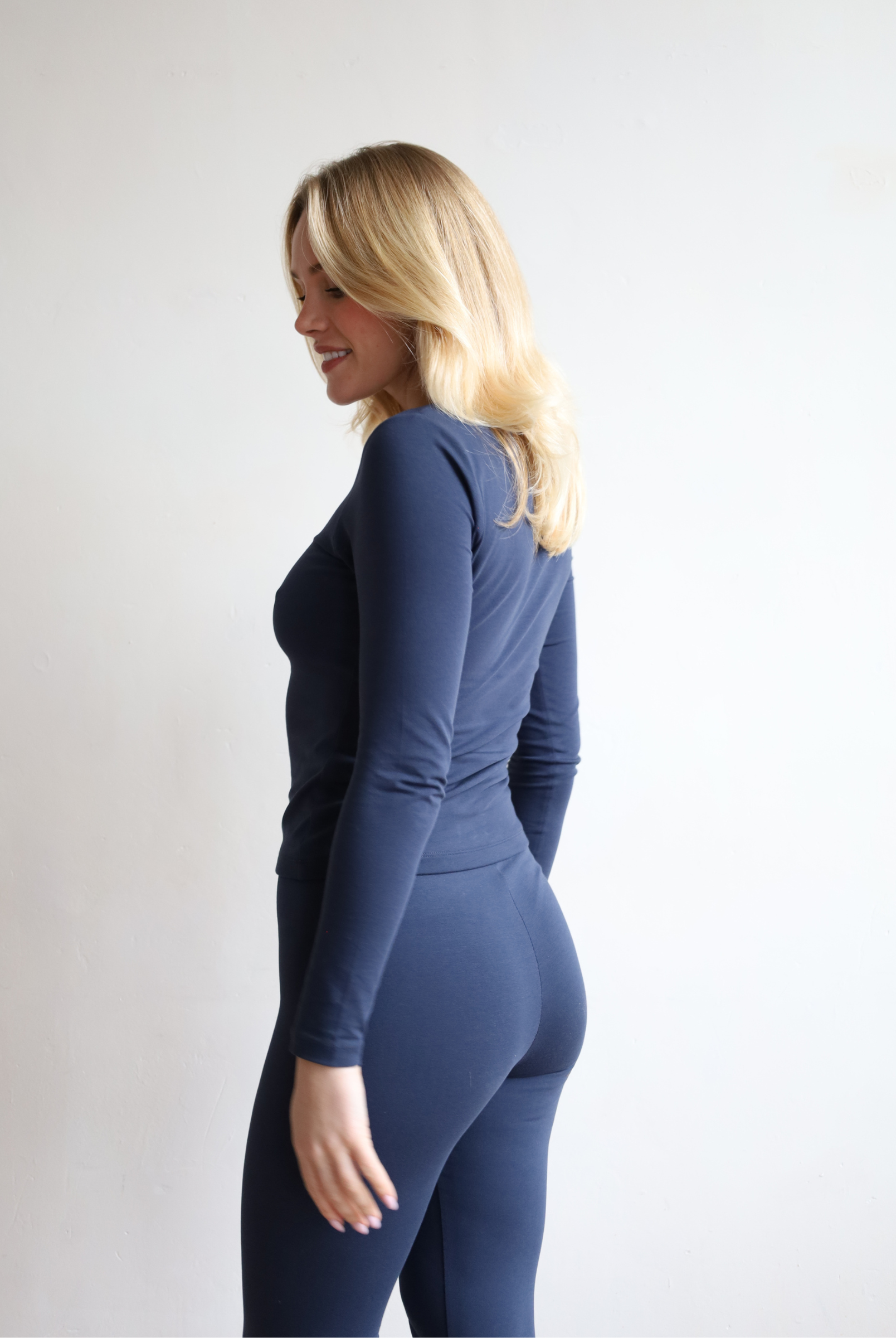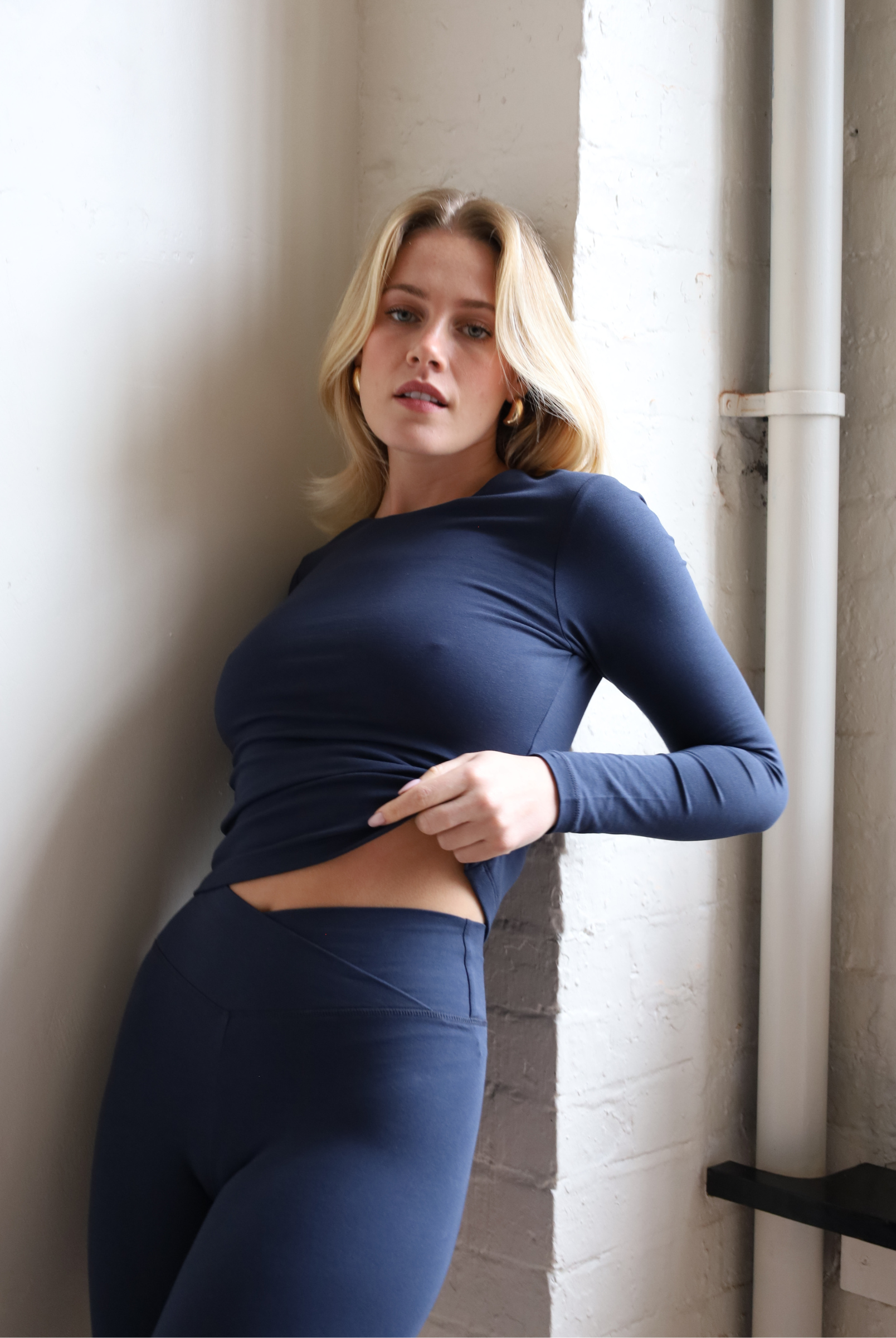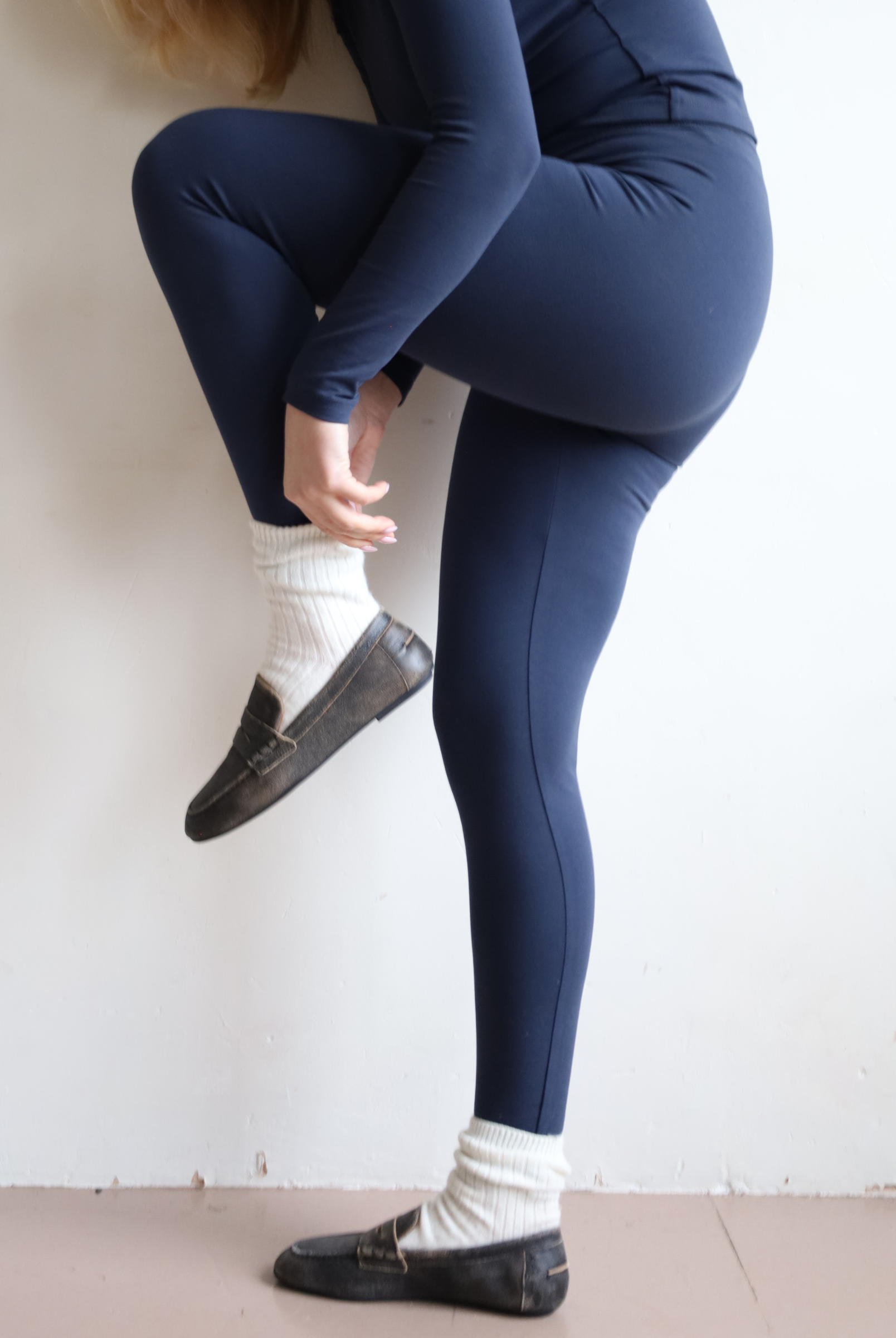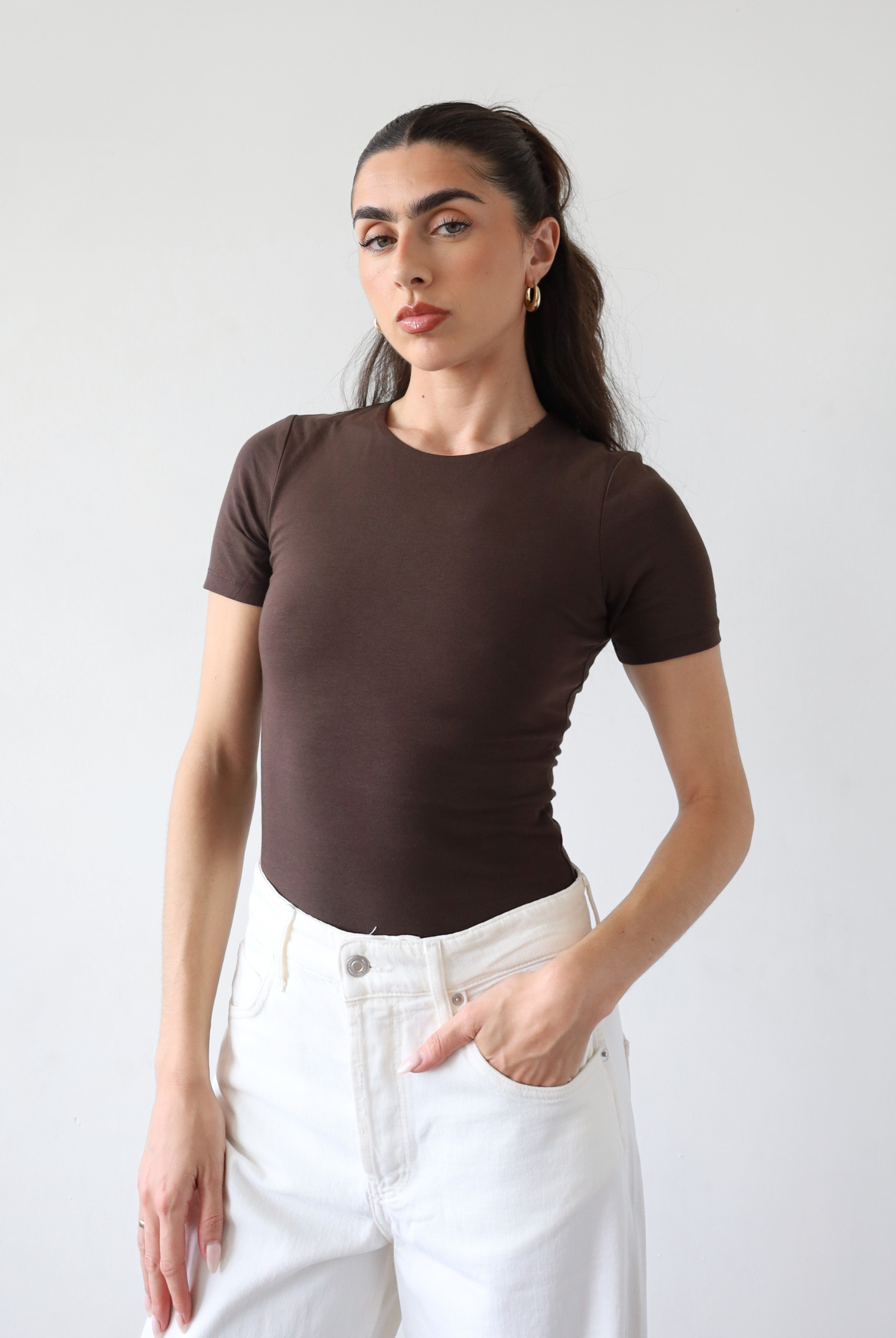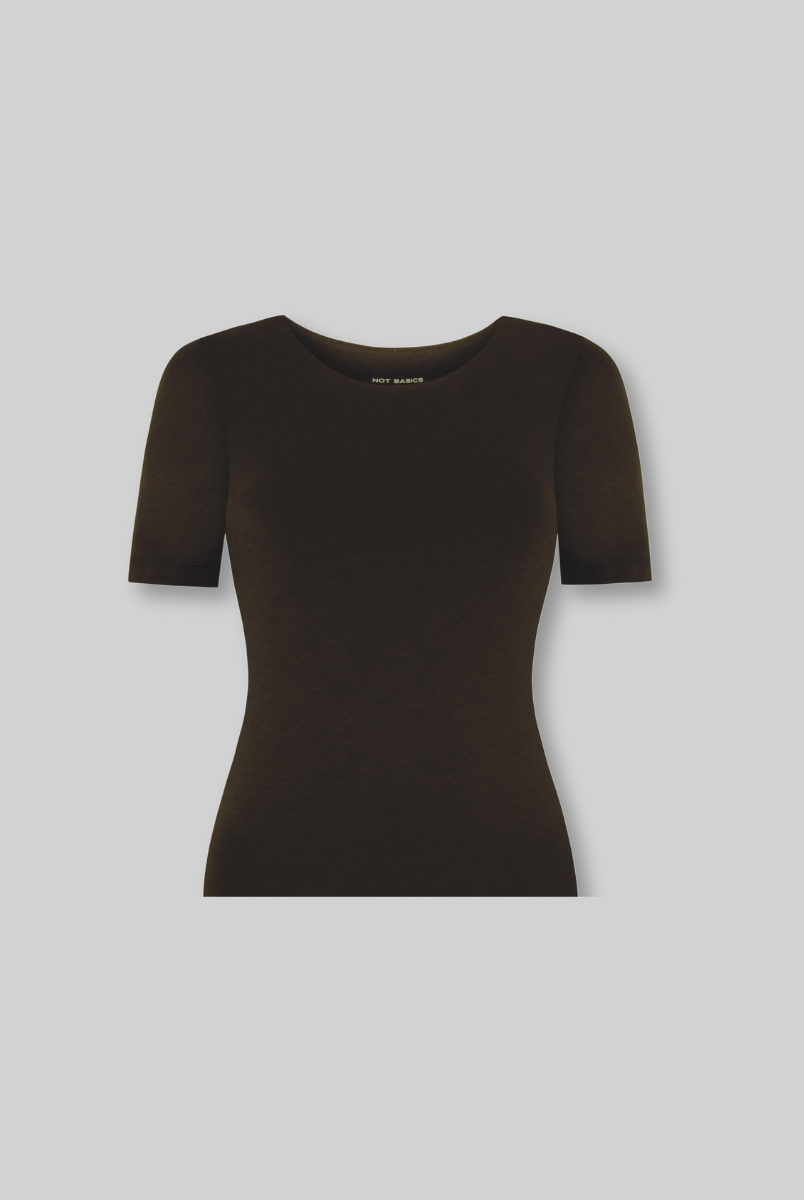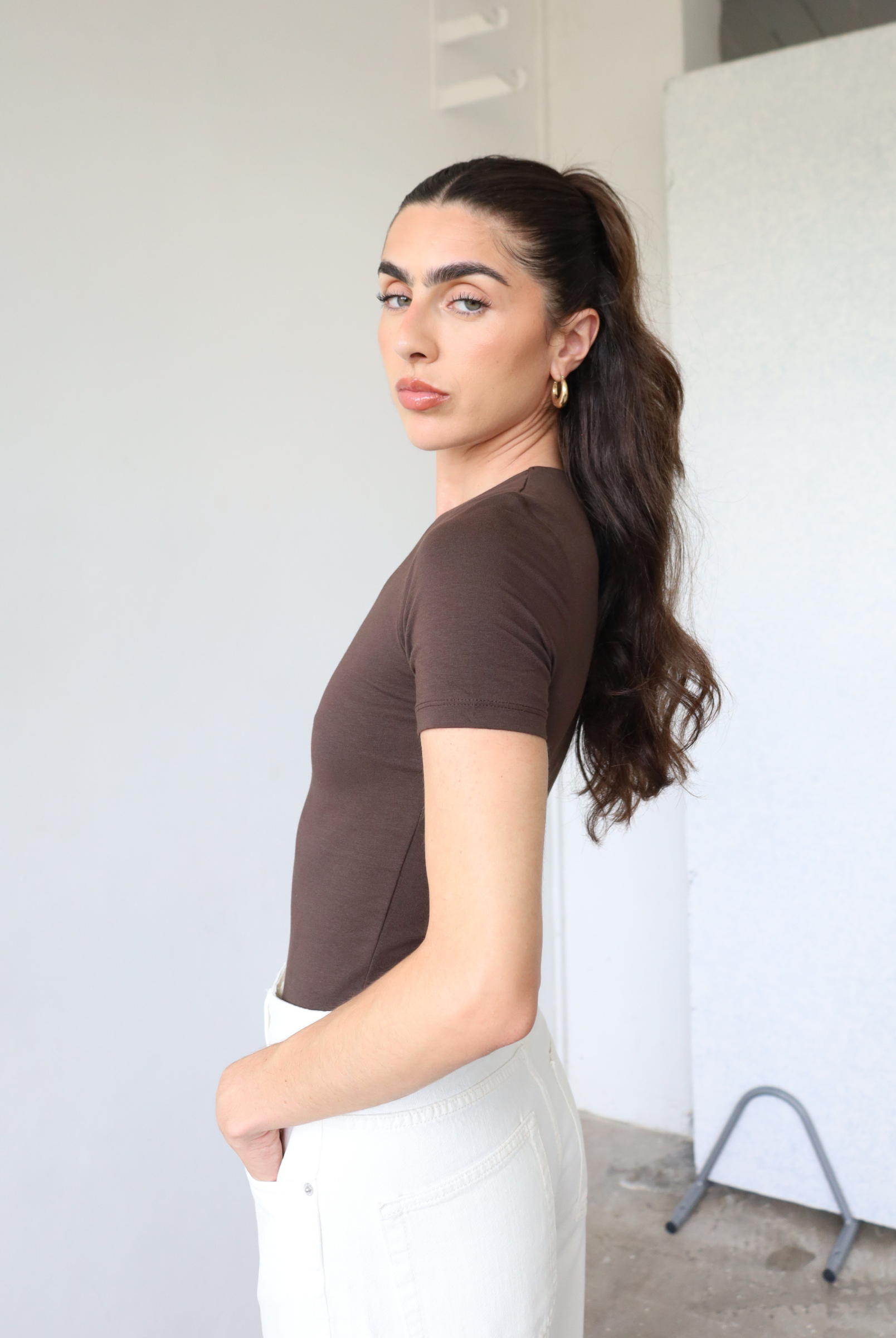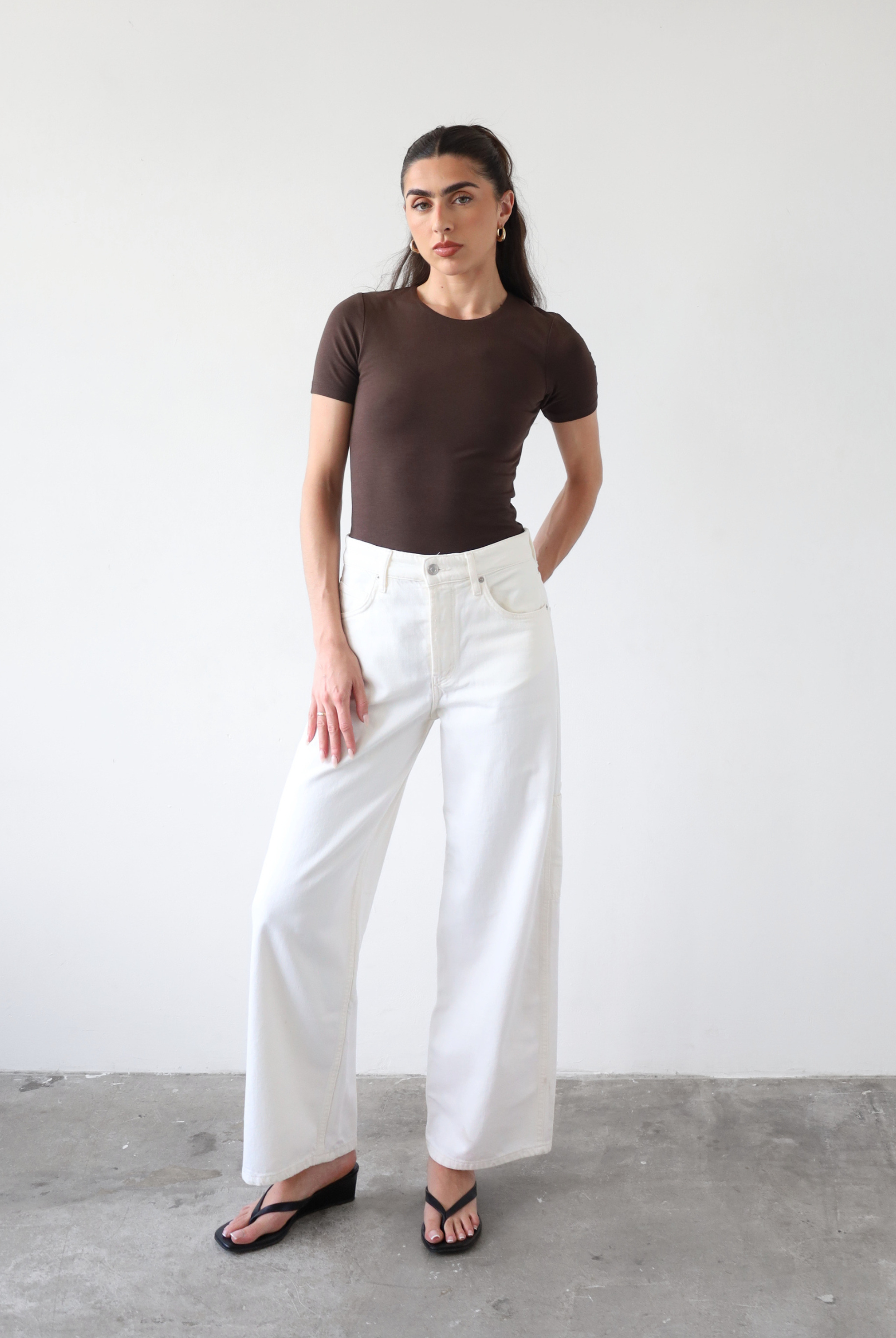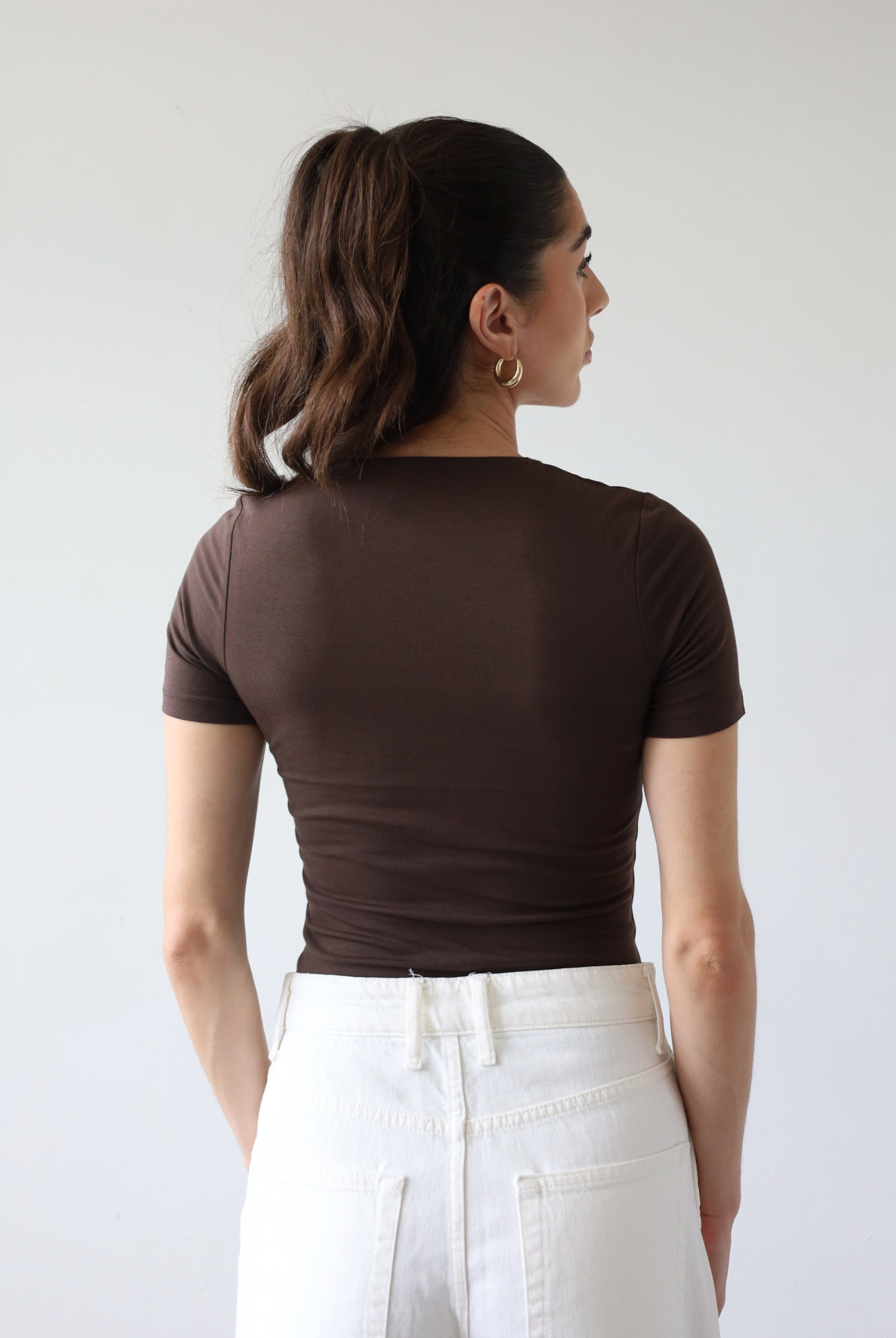
You've never seen basics like this before. Not Basics is a mindset, designed for your multifaceted life bringing comfort to every exceptional moment.
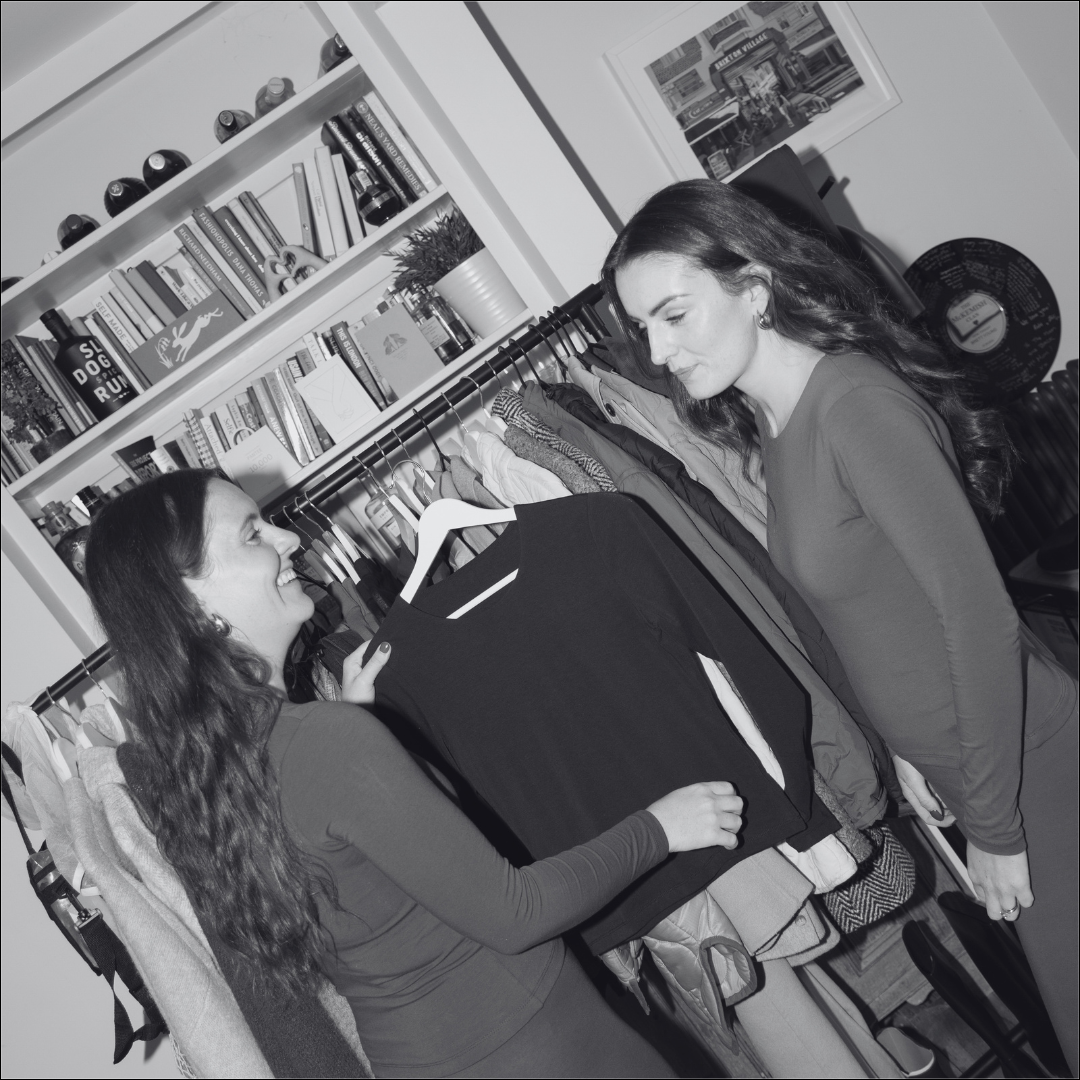
Not Basics isn’t the answer to making fashion sustainable, no matter how hard we're working on it. But what we can promise you is progress & transparency. Below you can learn more about our journey, what goes on behind the scenes and dive deeper into our supply chain. If there is more you'd like to learn about us, don't hesitate to get in touch.
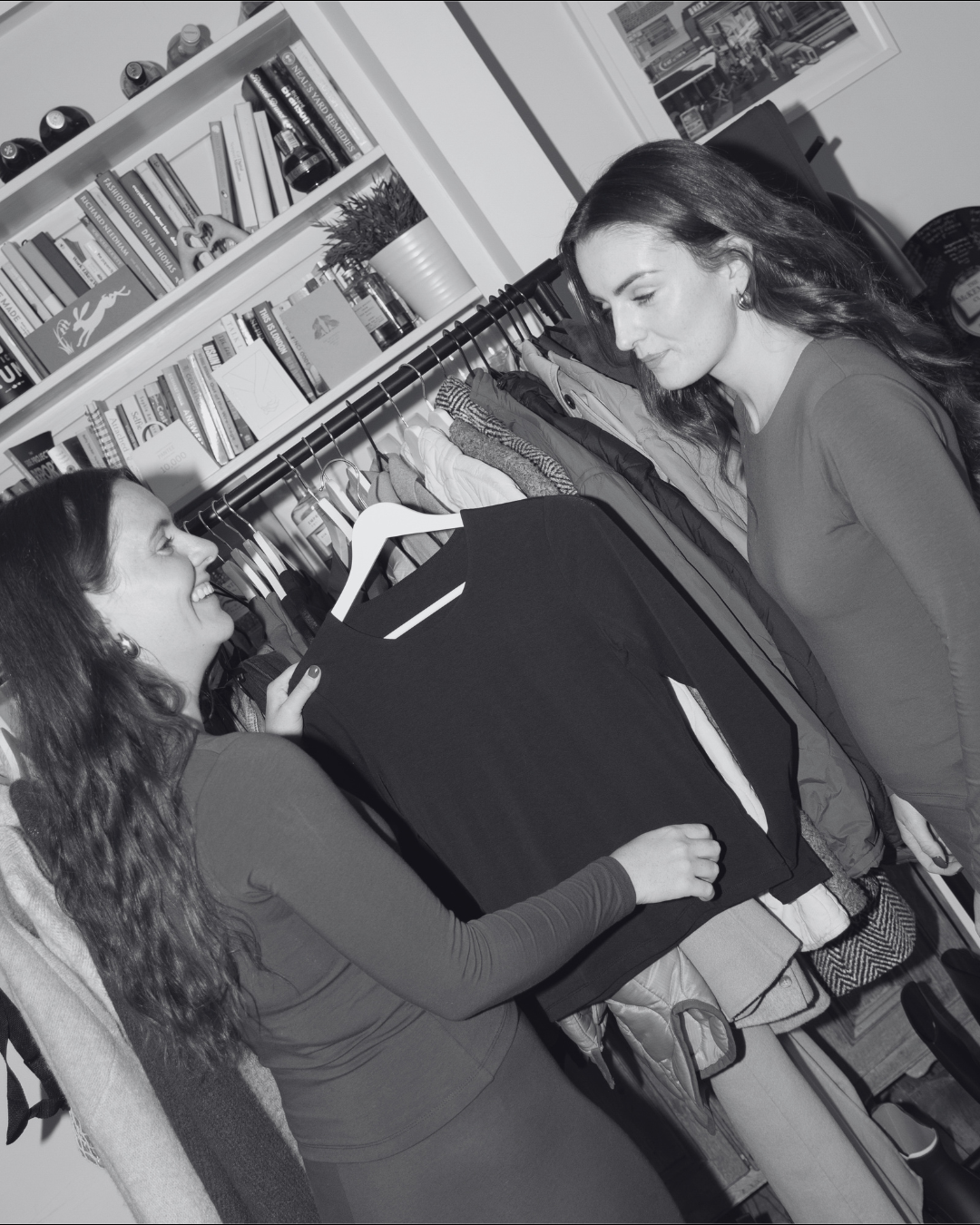
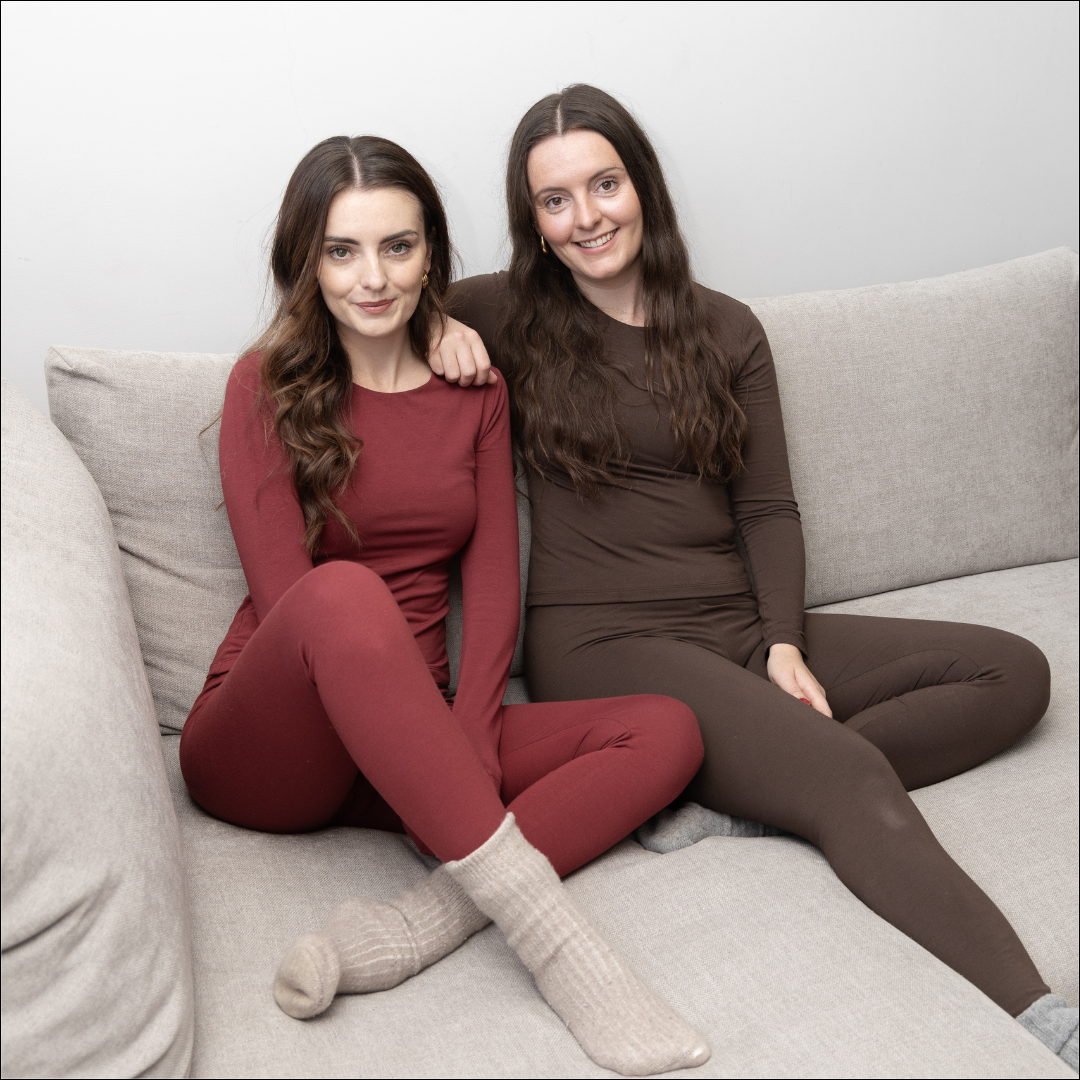
It was 2020, at the height of lockdown, when we dreamed up the idea to transform deadstock t-shirts into underwear. Despite raised eyebrows and skeptical laughs from fashion industry veterans, we didn't just succeed - we pioneered. We launched Pantee, becoming the first brand in the world to turn t-shirt waste into coveted underwear.
What began as a lockdown passion project between two sisters has blossomed into a mission far beyond our initial vision. We've evolved into Not Basics, a name that reflects not just who we've become, but who you are - because our community is anything but basic.
And this is just the beginning of our not-so-basic journey together.
More about us...
Are your fabrics skin-friendly?
We believe what you wear against your skin all day, every day matters.
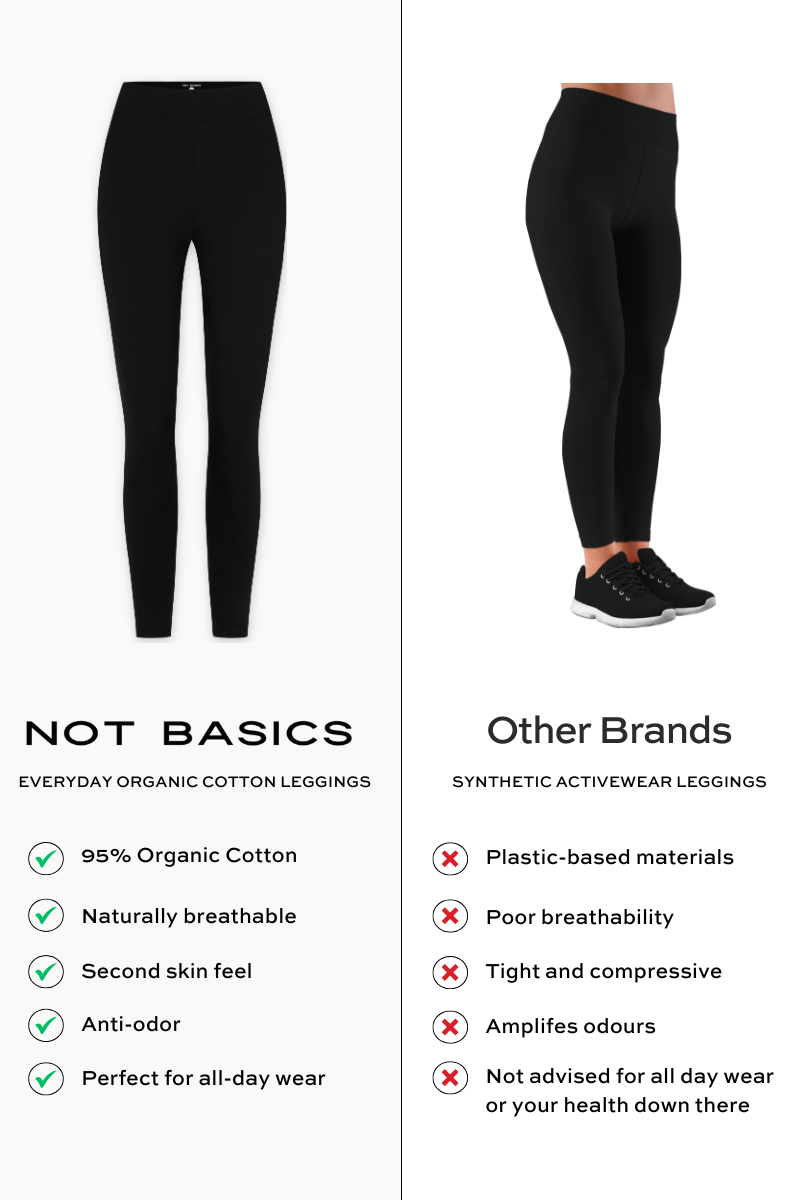
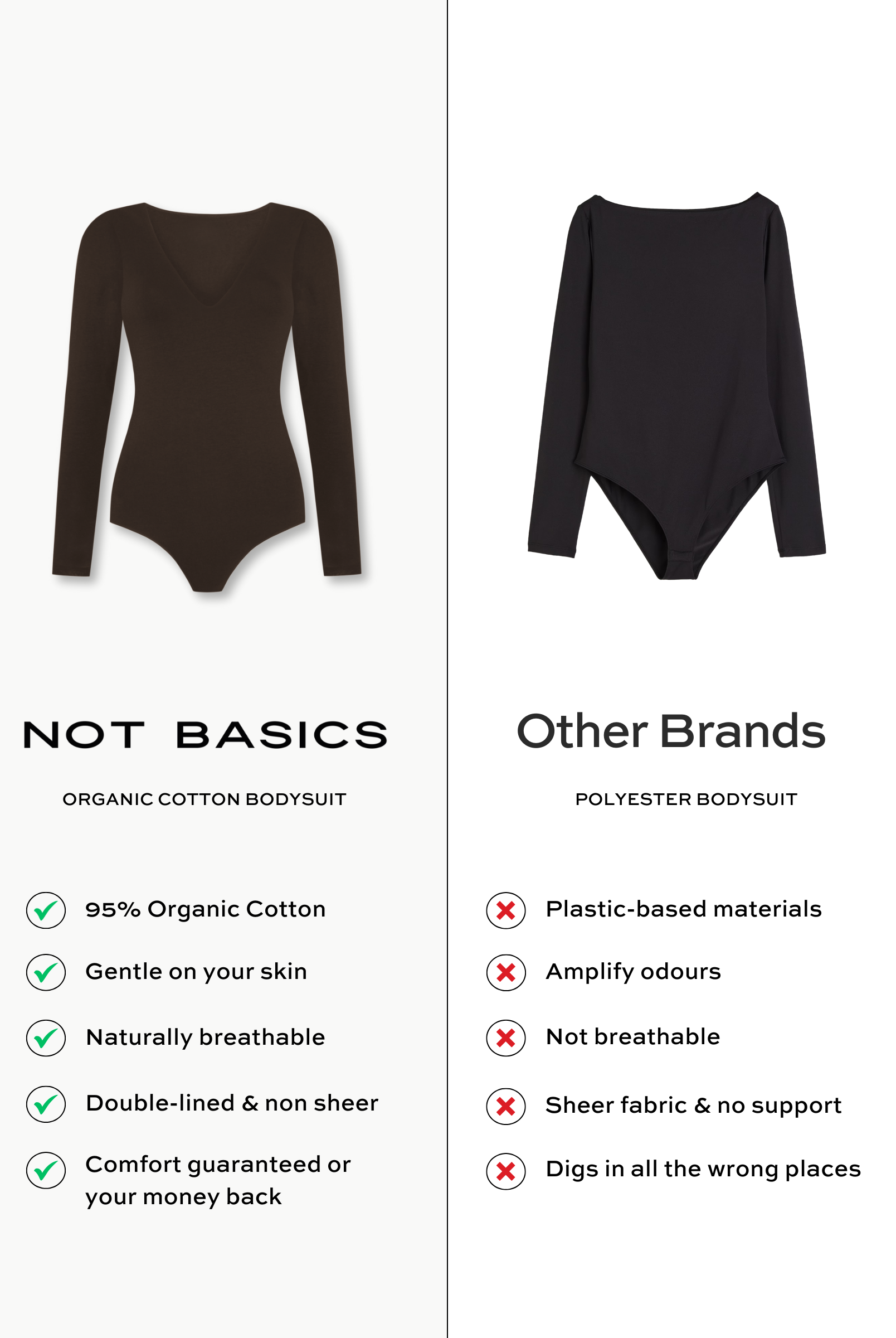
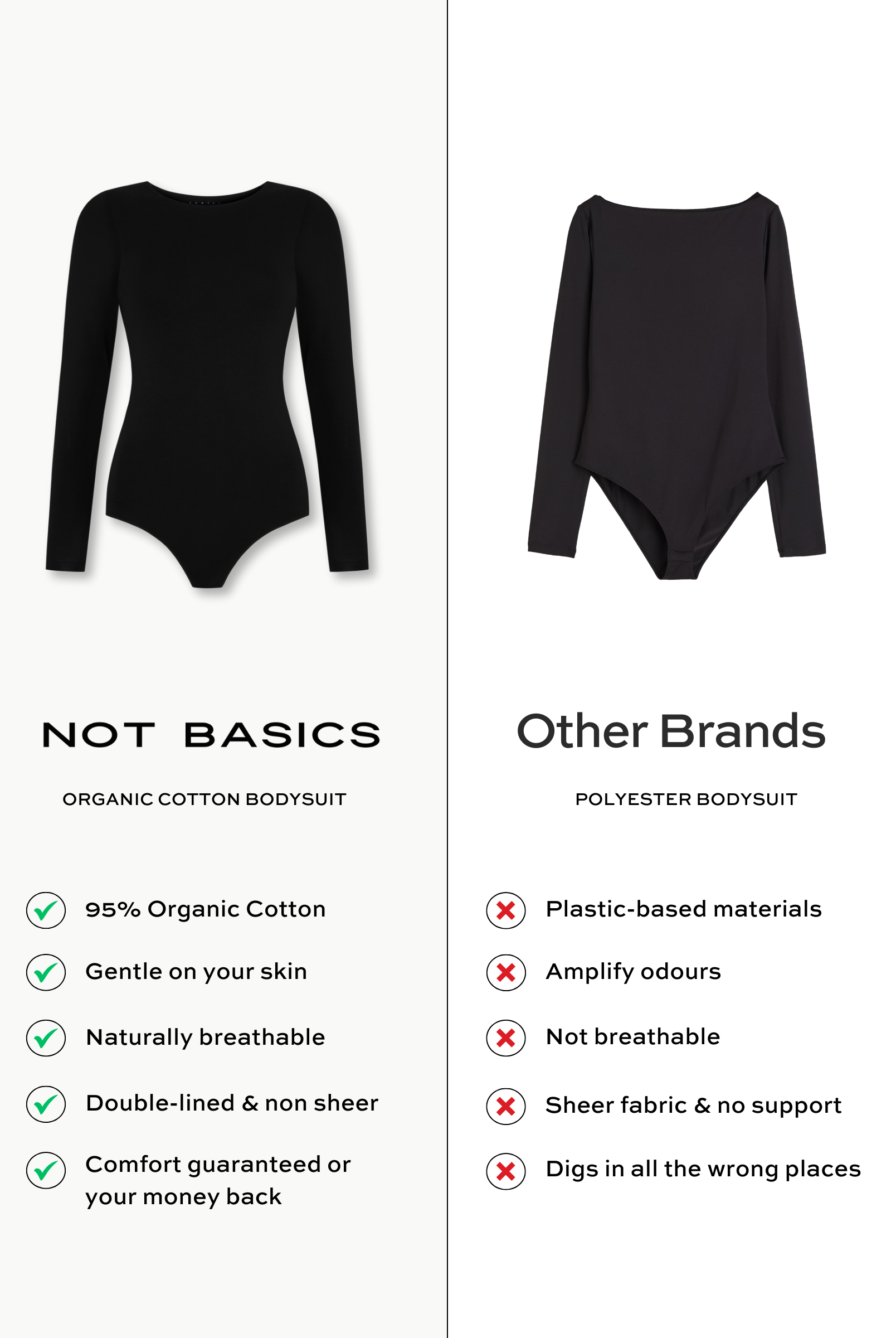
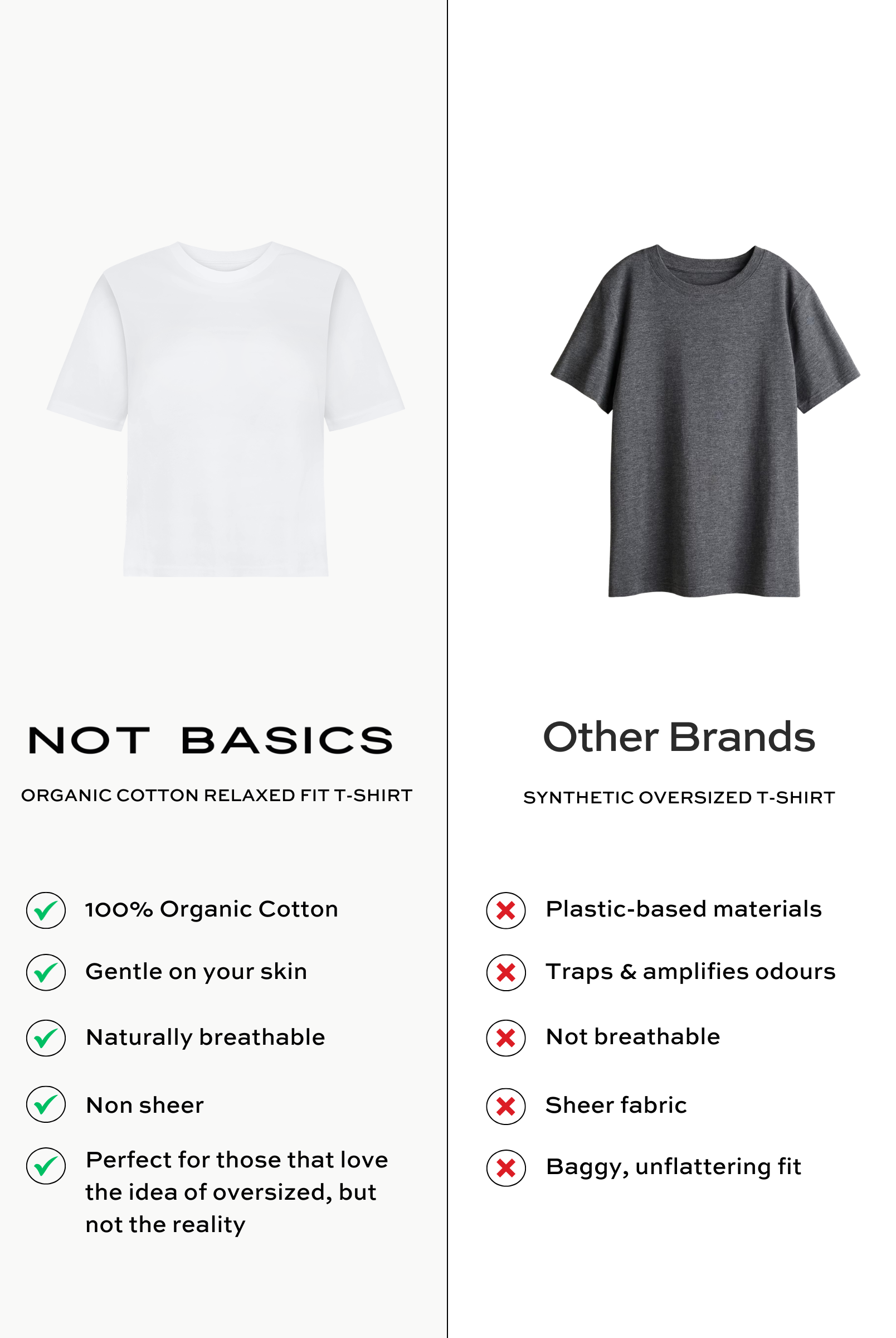
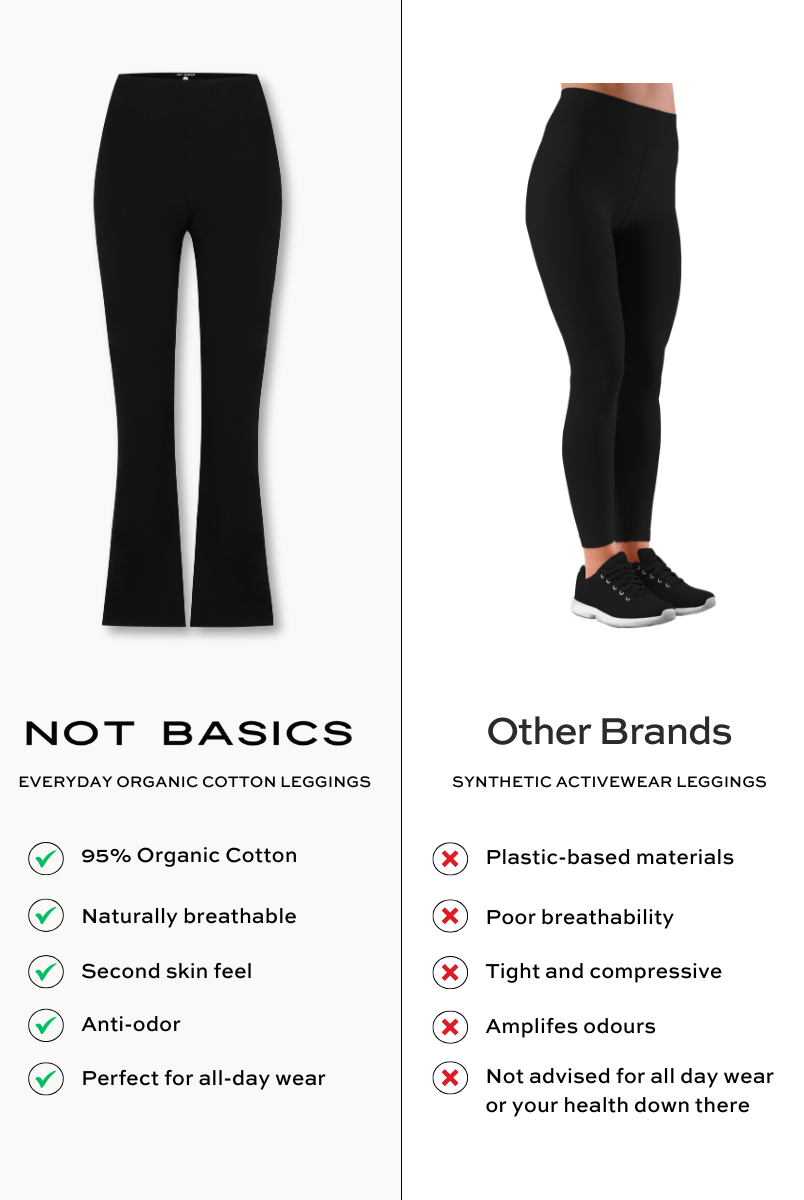
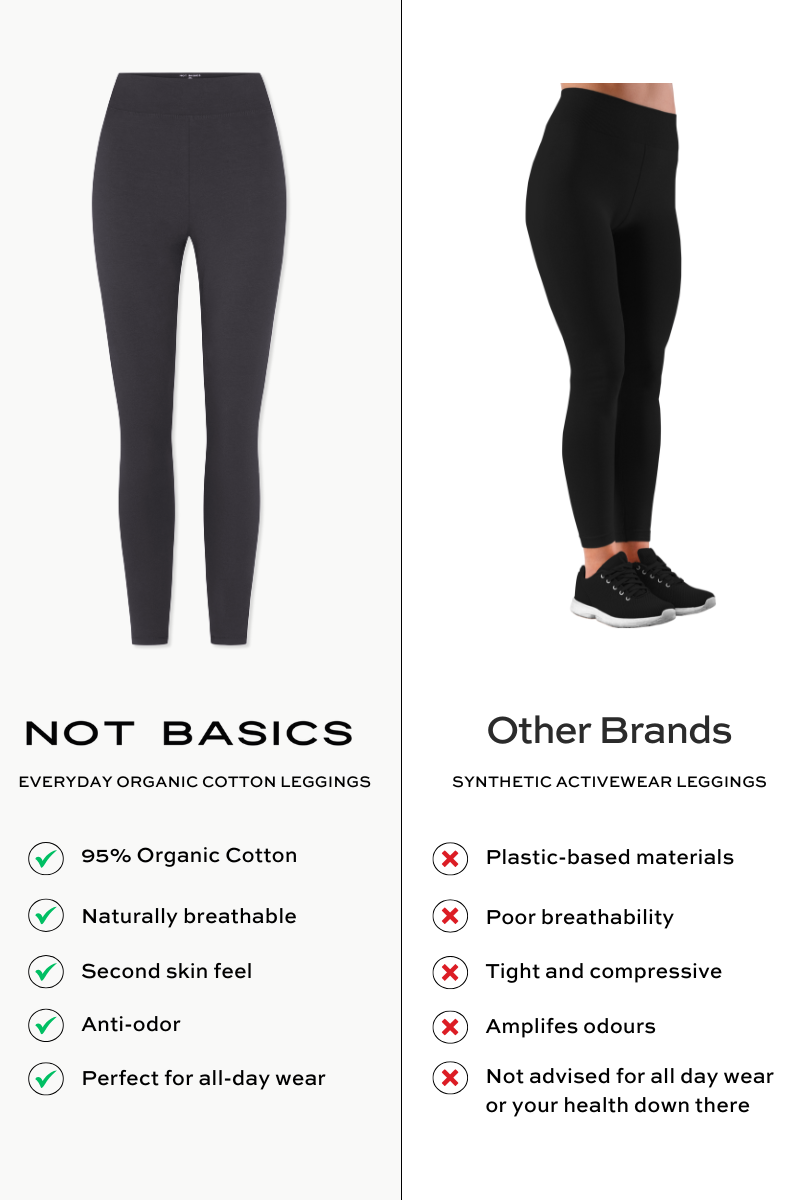
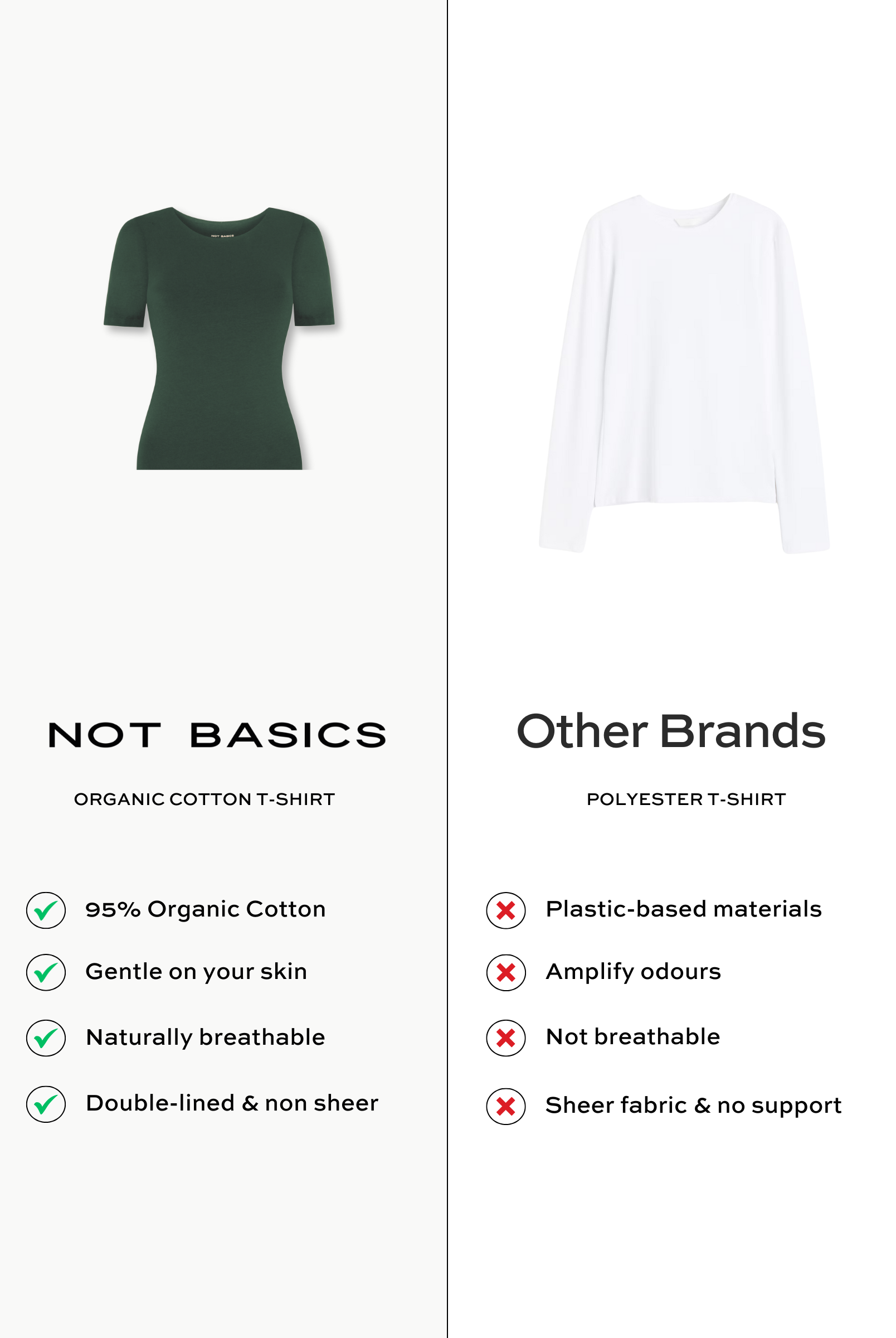
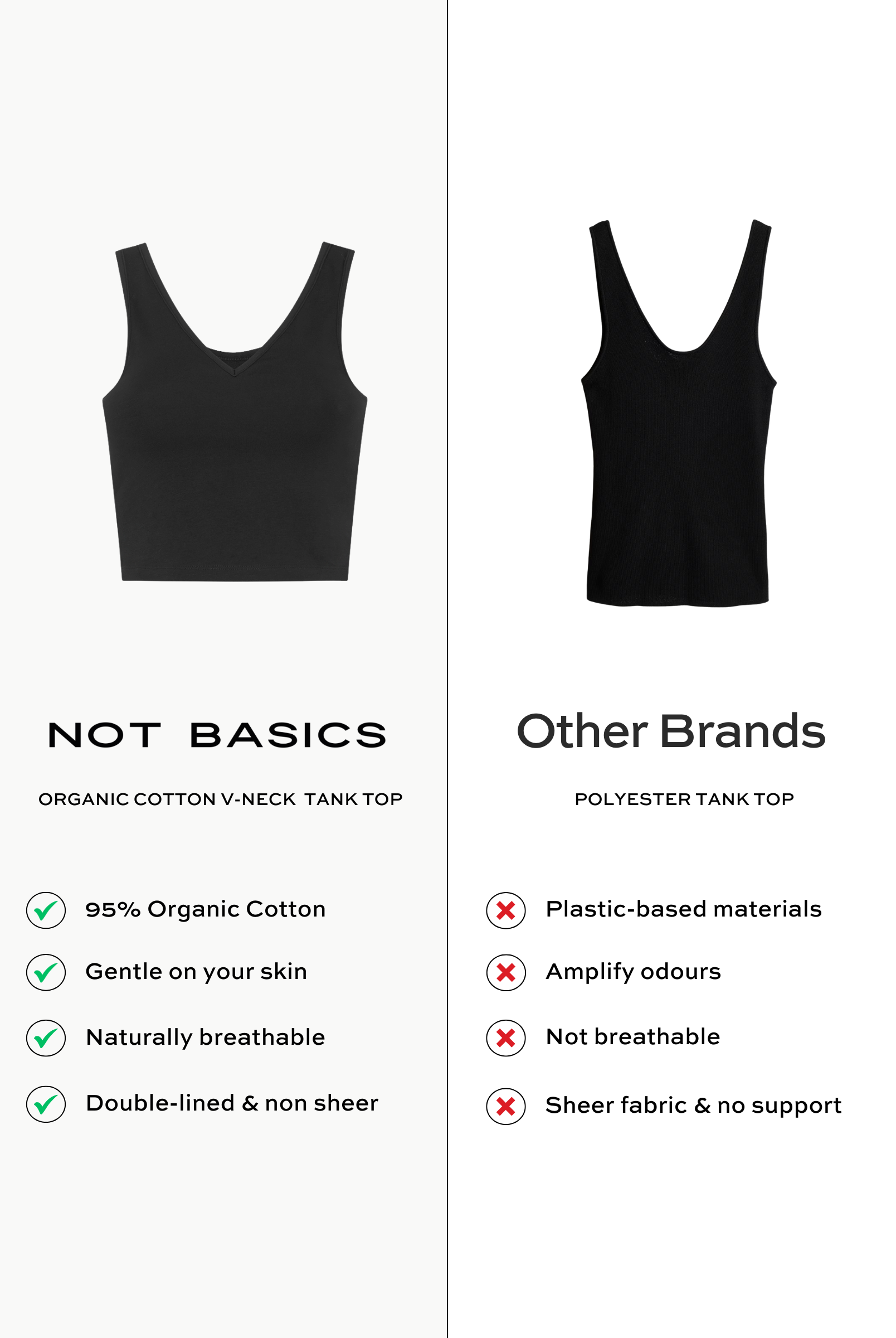
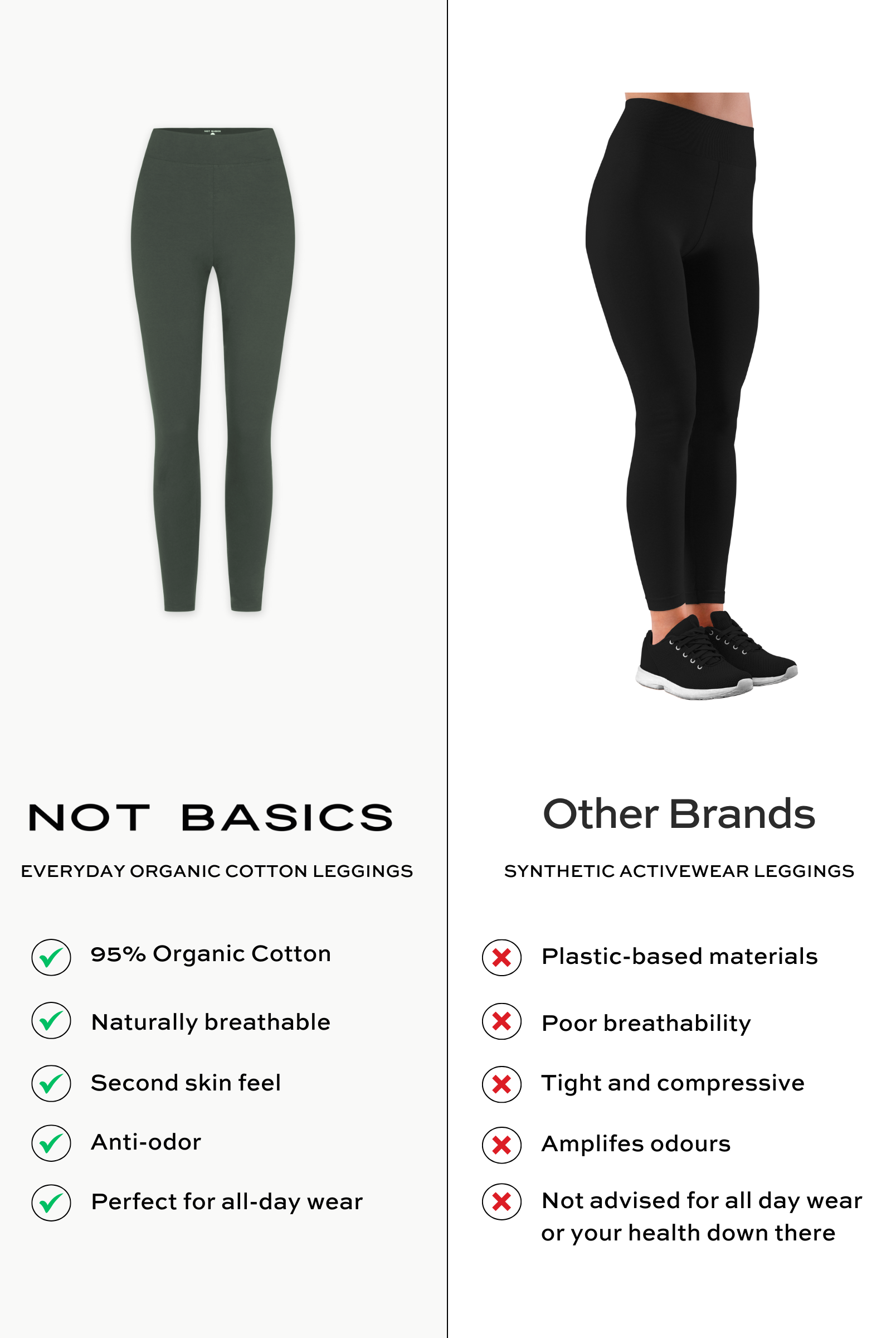
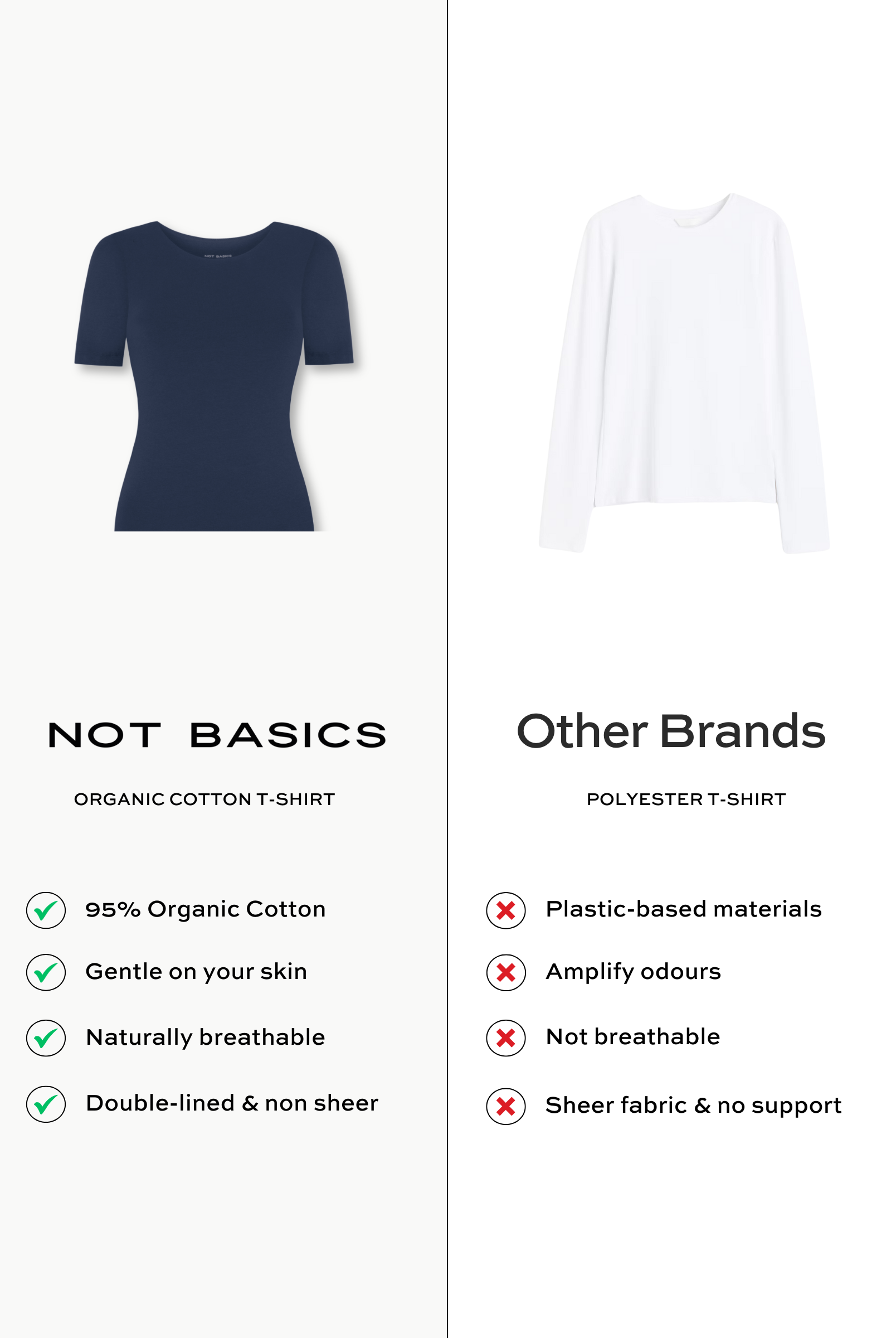
Unlike plastic-heavy synthetic fabrics that can trap heat and moisture against your skin, our certified organic cotton fabrics are naturally breathable, beautifully soft and designed with your skin's comfort in mind.
We carefully select our fabrics for their quality, feel and durability, with a commitment to meeting the highest standards of textile production.
Around 80% of our styles (and growing!) are now GOTS certified. The Global Organic Textile Standard (GOTS) is the world's leading textile processing standard for organic fibres, with strict requirements covering chemical inputs, environmental practices and social responsibility. You can learn more about GOTS here,
You can find out which certification our products hold by taking a look at the fabric section on each product page. In the meantime, if you have any questions about our fabrics or certifications, we're always happy to help at hello@notbasics.co.uk.
Does Not Basics use low-impact and sustainable materials?
Absolutely. Organic cotton is at the heart of everything we do. We carefully select our fabrics with both people and the planet in mind, prioritising natural fibres, exceptional quality and responsible production.
All of our organic cotton styles carry organic textile certifications – either by the Organic Cotton Standard (OCS) or by the Global Organic Textile Standard (GOTS).
Organic cotton is grown without genetically modified seeds and under strict restrictions on pesticides and synthetic chemicals, helping to reduce the environmental impact of cotton farming and protect the people, soil and water involved in its production.
But the benefits don't stop there. Unlike plastic-heavy synthetic fabrics, organic cotton is naturally soft and breathable, making it a more comfortable choice for the clothes you wear closest to your skin.
Is your packaging plastic-free & recyclable?
Yes, absolutely! We're passionate about minimising our plastic use and environmental impact at every stage – and packaging is a huge one.
Hundreds of millions of plastic mailer bags are used each year to ship online orders within the UK - it's an unfathomable amount of waste, and we knew we could do things better.
All of our packaging is plastic-free, recyclable and biodegradable. We use FSC-certified paper across our garment bags and mailers, replacing conventional plastic packaging with paper-based alternatives.
FSC certification means the paper comes from responsibly managed forest sources and/or verified recycled materials, in line with Forest Stewardship Council standards.
We also keep our packaging as minimal as possible, using only what is needed to protect your clothes from storage through to delivery.
Are there any harmful chemicals in Not Basics clothing?
We prioritise GOTS-certified fabrics, which are produced under strict requirements governing the chemicals used throughout textile processing, including dyeing and finishing.
The Global Organic Textile Standard (GOTS) prohibits or restricts a wide range of potentially harmful substances, including certain carcinogenic colourants, heavy metals and formaldehyde, helping to ensure our fabrics meet rigorous standards for chemical safety.
For a deeper dive into the , you can read the official GOTS Standard here. The chemical input approval list can be found on p46.
Where are Not Basics made?
All Not Basics garments are made in Istanbul, Turkey, by our trusted manufacturing partner, ATLAS.
We work closely with our production partners to maintain high standards of quality, responsible manufacturing and transparency throughout our supply chain.
From fabric production and dyeing through to garment manufacturing, the main stages of our production take place within the same region. This allows us to build closer relationships with the people making our clothes, maintain greater visibility over how they're produced and minimise unnecessary transportation between production stages.
Our current production partners include:
Yarn / fabric production: Yusuf Tekstil ve Örme San. Tic. Ltd. Şti.
- Certifications: GOTS
Dyeing & wet processing: Tübaş Tekstil Ürünleri Boyama San. ve Tic. A.Ş.
- Certifications: GOTS
Garment manufacturing: Atlas Istanbul
- Certifications & Audits: GOTS, Sedex SMETA
We believe knowing where your clothes come from should be the standard, not the exception.
How do you make sure less goes to waste?
We’re big believers in making what we need, rather than making more for the sake of it.
We prioritise small-batch production and often test new styles in fewer than 100 pieces, giving us a chance to test demand before producing more to lower our risk of over-production.
We also don’t believe your wardrobe needs to change every year, with every season. Good basics last, and Not Basics are designed to be seasonless and durable, with a focus on good-quality pieces that you can keep coming back to, year after year, rather than chasing the latest trends.
Our factory also takes steps to reduce waste during production. When cutting fabric, styles with the same pattern are grouped together to make the most of the material.
Any leftover fabric is put to use wherever possible. For example, any fabric labels found within our garments are actually made from offcuts, rather than using additional materials. The remaining fabric offcuts are collected and reprocessed into yarn, giving otherwise unused material a second life.
Finally, we're committed to keeping unsellable garments out of landfill. Any damaged or otherwise unsellable pieces are sent to our textile recycling partner, where the materials can be recovered and repurposed.
What goes into making Not Basics clothes responsibly?
We only work with manufacturing partners who are committed to responsible production, fair working conditions and respect for workers' rights.
Our GOTS-certified production must meet the social and human rights requirements of the Global Organic Textile Standard, alongside its strict environmental standards. These cover important areas such as workplace safety, working hours, fair treatment and the protection of workers' rights. For more detail, you can find the relevant requirements on page 26 of the GOTS 8.0 standard.
We also have our own Code of Conduct for the final stage of garment manufacturing, aligned with the principles of the International Labour Organization (ILO). This sets out the standards we expect our manufacturing partners to uphold when it comes to workers' rights and working conditions. You can read our Code of Conduct here.
Our manufacturing partner also undergoes independent SMETA (Sedex Members Ethical Trade Audit) audits, which assess working conditions and responsible business practices. Conducted by independent third-party auditors, these assessments cover areas including labour standards, health and safety, business ethics and environmental practices.